The 30-Minute Rule: How Berlin's Park-Walkers Built a Daily Habit That Stuck
Locals reveal the simple strategies that transformed their relationship with Berlin's green spaces—and their health.
Locals reveal the simple strategies that transformed their relationship with Berlin's green spaces—and their health.
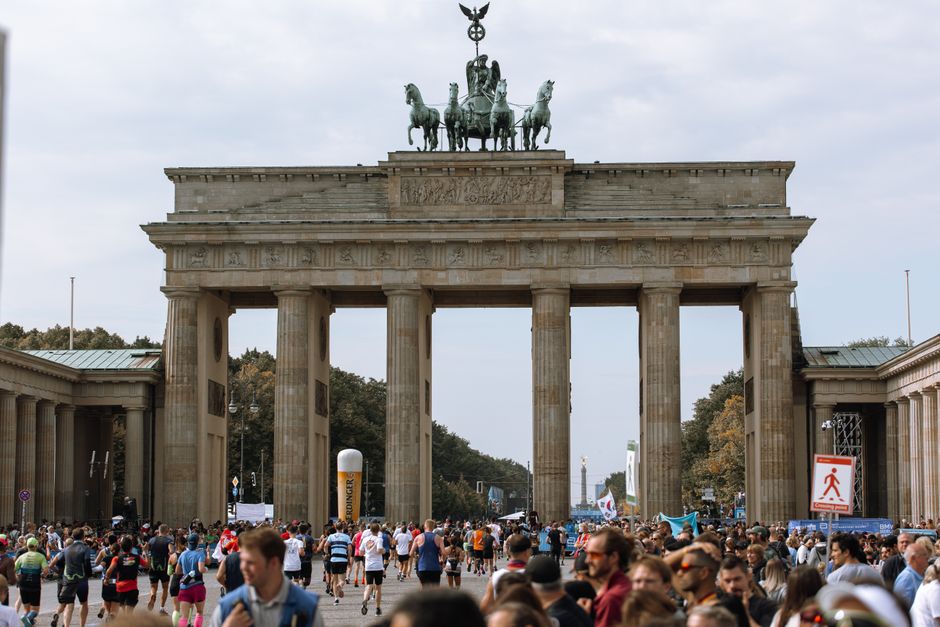
Walk through Tiergarten on any weekday morning and you'll notice a pattern. The same faces appear between 7 and 8 a.m., moving at a steady pace along the tree-lined paths near Straße des 17. Juni. These aren't fitness enthusiasts training for a marathon. They're Berliners who discovered something quieter: that 30 minutes, most days, became non-negotiable.
"It's not about intensity," explains the Tiergarten Running Hub's community programmes, which have tracked usage across the park's 520 hectares since 2023. Regular participants—those who visit at least four times weekly—report improved sleep quality and reduced stress markers. The trick, locals say, isn't motivation. It's habit stacking: attaching a park walk to something already routine, like a morning coffee run or lunch break.
This pattern repeats across Berlin's neighbourhoods. In Kreuzberg, residents have woven Görlitzer Park into their commute rhythms, using the northern loop as a transition between home and U-Bahn. Charlottenburg locals anchor their walks to specific landmarks—the palace's east wing, the Spree footbridge—creating natural endpoints that prevent decision fatigue.
The data supports anecdotal experience. Berlin's 2500-plus hectares of public parks see roughly 4.2 million visits annually, with spring through autumn showing marked increases in regular users rather than casual visitors. Those who succeed tend to adopt one strategy: they choose proximity over prestige. A 15-minute walk to Volkspark Friedrichshain beats a 45-minute journey to Müggelsee if consistency is the goal.
Price matters too. Berlin's parks are free, and many neighbourhoods now feature outdoor fitness stations—Prenzlauer Berg's Mauerpark and Tempelhof's expansive runways offer space without membership fees. For those seeking structure, organisations like Stiftung Naturschutz Berlin offer guided walks (typically €8–12) that remove the planning burden entirely.
The most successful habit-builders shared another insight: they stopped waiting for ideal weather. Summer's intense heat means early starts—locals report 6 a.m. walks becoming the norm. Winter reduces crowds and increases consistency, since the habit survives seasonal mood dips more easily when there's less social pressure to perform.
The takeaway isn't revolutionary. But Berlin's park regulars have learned what behavioural research confirms: small, consistent actions compound. Your walk doesn't need to be long. It needs to be yours, and it needs to happen regularly. That's the only real rule.
This article was compiled by AI from the sources linked above and screened before publishing. See our editorial standards.
How does this story make you feel?
Spread the word
About this article
Published by The Daily Berlin
Daily brief
Free, in your inbox before 7am. Weekdays.
More in Wellness