Racing Together: How Berlin's Fitness Challenges Are Building Stronger Communities
From Tiergarten running leagues to neighbourhood cycling sprints, shared fitness goals are reshaping how Berliners stay active and connected.
From Tiergarten running leagues to neighbourhood cycling sprints, shared fitness goals are reshaping how Berliners stay active and connected.
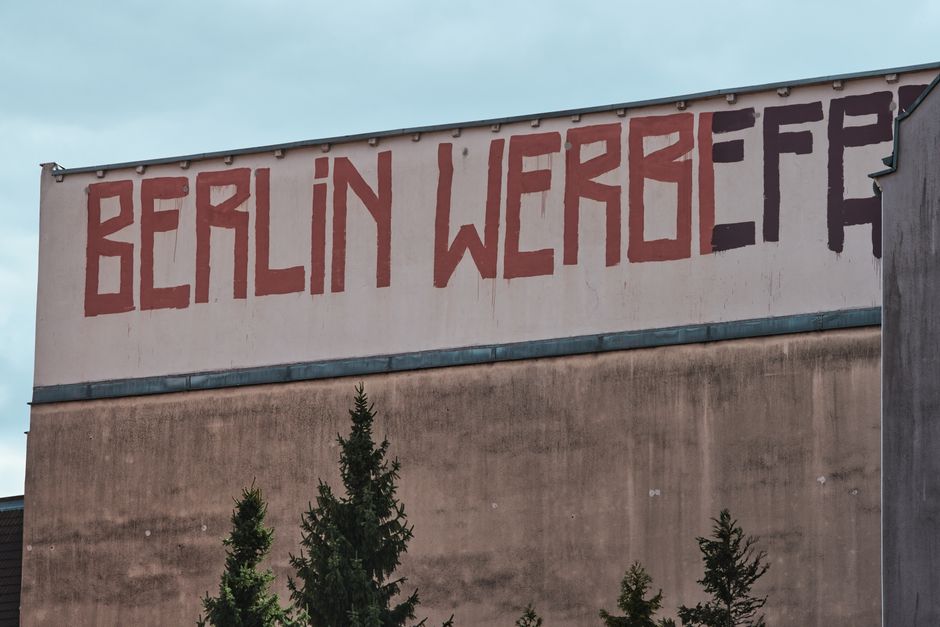
On any given Saturday morning, the pathways around Tiergarten fill with clusters of runners in matching bibs, their collective energy marking another week of Berlin's quietly thriving fitness challenge culture. What started as informal neighbourhood initiatives has evolved into a structured ecosystem of community-driven competitions that blend physical wellness with genuine social connection.
The appeal is straightforward: rather than grinding through solitary workouts, Berliners are increasingly choosing structured challenges that create accountability and camaraderie. Local sports clubs across Charlottenburg, Kreuzberg, and Prenzlauer Berg report that group-based fitness challenges now account for roughly 35–40% of their membership engagement, a significant shift from five years ago when gym-focused routines dominated.
Take the monthly Spree Cycle Challenge, which winds through Friedrichshain and Köpenick, attracting approximately 200 participants who compete on distance, elevation, or simply finishing time. Organisers structure these events with intentional flexibility—there's no single "winning" category, allowing everyone from casual cyclists to serious athletes to participate meaningfully. Entry fees typically range from €8–12, with proceeds supporting local cycling infrastructure improvements.
What makes these challenges work isn't just novelty; it's design. Successful programmes build in regular milestone celebrations, online leaderboards that emphasise participation over pure ranking, and integration with the city's outdoor gym network. Several Kiez-based groups have begun linking fitness challenges to their local free gym equipment in parks across the city, creating a natural progression for participants.
The psychological benefit shouldn't be understated. Research into community-based fitness repeatedly shows that shared challenges reduce dropout rates significantly compared to solo exercise regimens. Berlin's progressive wellness culture—combined with infrastructure that actually supports group activity, from the Wannsee's designated swimming zones to the extensive cycling lanes along Karl-Marx-Allee—creates ideal conditions for these initiatives to flourish.
Community fitness challenges also democratise wellness. Unlike boutique fitness studios with premium pricing, these neighbourhood-scaled events remain accessible. Most require minimal specialised equipment and deliberately welcome mixed fitness levels, making them particularly valuable for adults seeking re-entry into active living or those new to Berlin.
As the city continues expanding its outdoor spaces and group exercise infrastructure, expect these challenges to deepen roots. The pattern is clear: Berliners don't just want to get fit—they want to do it alongside their neighbours, with shared goals and genuine community stakes. That's proving far more motivating than any solo achievement ever could.
This article was compiled by AI from the sources linked above and screened before publishing. See our editorial standards.
How does this story make you feel?
Spread the word
About this article
Published by The Daily Berlin
Daily brief
Free, in your inbox before 7am. Weekdays.
More in Wellness