wellness
The Hidden Nature Walks Locals Love But Tourists Miss
While visitors crowd the Tiergarten's main paths, Berliners have quietly claimed a network of wilder, greener routes that few guidebooks have ever bothered to mention.
How we reported this
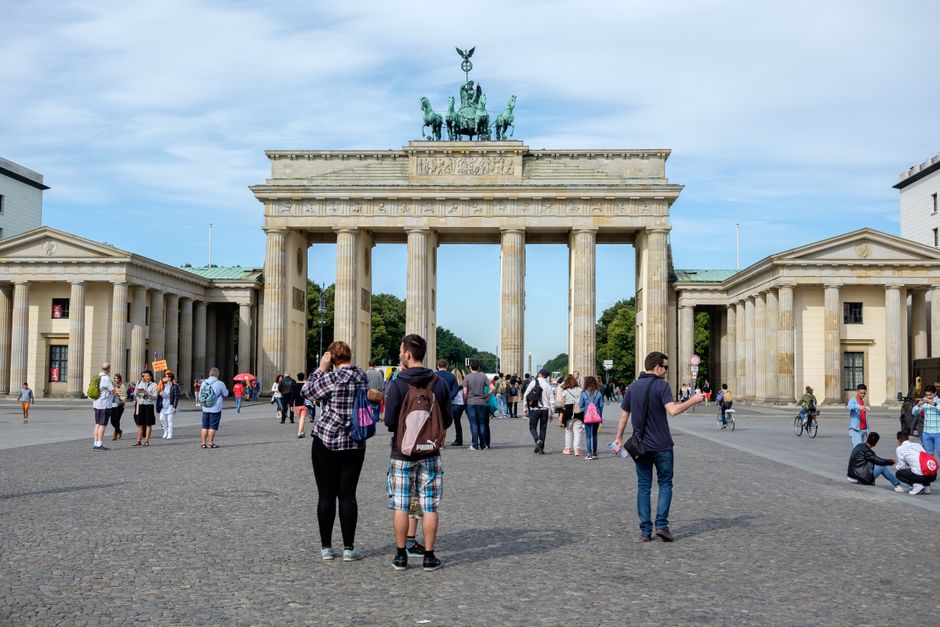
Berlin has roughly 2,500 parks and green spaces covering about a third of the city's total area, a figure that makes it one of the most verdant capitals in Europe. But the trails that actually matter to the people who live here are rarely the ones marked on tourist maps. This July, with summer heat pushing midday temperatures past 30°C, the city's lesser-known woodland corridors and lakeside tracks are seeing a surge in foot traffic from residents who have been using them for years and would prefer to keep things quiet.
The timing matters. Germany recorded a measurable post-pandemic jump in outdoor physical activity, and Berlin's Senate Department for Urban Development has been expanding the city's network of signposted Wanderwege, long-distance walking routes, since 2022. The Berliner Mauerweg, the 160-kilometre trail that follows the old Wall's course around the city, gets the press coverage. The routes that locals actually lace up for on a Tuesday morning do not.
Where Berliners Actually Go
Start with the Grunewald forest in the west. Most visitors who make it there at all stick to the eastern shore of the Grunewaldsee, near the car parks off Avus. Locals head instead for the Barssee, a smaller, quieter lake about a kilometre further north along unmarked sandy tracks through Scots pine. There are no food kiosks, no rental stands, and, on weekdays, sometimes no other people at all. The full loop around both lakes runs close to eight kilometres and gains almost no elevation, making it practical for all fitness levels.
In the north, the Tegeler Fließ nature reserve in the Reinickendorf district draws a loyal crowd of birdwatchers and trail runners who treat the boardwalk trail over the wetlands as a kind of moving meditation. The reserve sits within the larger Tegeler See green corridor but feels genuinely remote, reed beds, red kites overhead, the sound of the S-Bahn gone entirely within about 400 metres of the trailhead on Hermsdorfer Damm. The round trip is roughly five kilometres. The Berliner Naturschutzbeauftragter, the city's nature conservation office, lists the Tegeler Fließ as a protected biotope, which limits commercial development and keeps it largely free of organised fitness events.
The Südgelände nature park in Schöneberg is something different again. Built on a disused railway marshalling yard, the 18-hectare site has been allowed to rewild since 1980. Buddleia and silver birch grow between rusting locomotive sheds. The paths are gravel and grass, the entry is free, and the park opens daily from dawn. It sits about 900 metres west of Schöneberg S-Bahn station and is almost entirely unknown outside the immediate neighbourhood despite being inside the Ring.
What the Evidence Shows, and What to Do With It
A 2023 study published in the journal Landscape and Urban Planning found that urban woodland walks of 20 minutes or more produced measurable reductions in self-reported stress, with effects comparable to structured gym sessions. Berlin's outdoor gym network, the city operates over 230 free Außensportanlagen across all 12 Bezirke, already reflects official acknowledgment that low-barrier, open-air movement has public health value. The logic extends naturally to walking infrastructure, though it remains underfunded relative to cycling.
For anyone who wants a structured introduction, the BUND Berlin, the local arm of Friends of the Earth Germany, runs free guided nature walks throughout summer, with dates published on their website at bund-berlin.de. The next scheduled walk in July focuses on the Spandauer Forst in the northwest, meeting at Spandau S-Bahn station. No registration fee. Bring water and flat shoes.
The practical advice is simple. Download the Komoot app, search for circular routes starting from U-Bahn or S-Bahn stations rather than city-centre landmarks, and filter for under 10 kilometres. The city's own grünBerlin website maps maintained paths by district. Go on a weekday before 9 a.m. if you want the experience Berliners actually value, which is, almost always, the one where you do not encounter anyone else at all.