wellness
Where to Recharge: Berlin’s Sleep and Recovery Hub You Need to Know
As sleeplessness and burnout surge, Berlin’s new wellness centre on Potsdamer Straße offers local residents cutting-edge support for better rest and recovery.
How we reported this
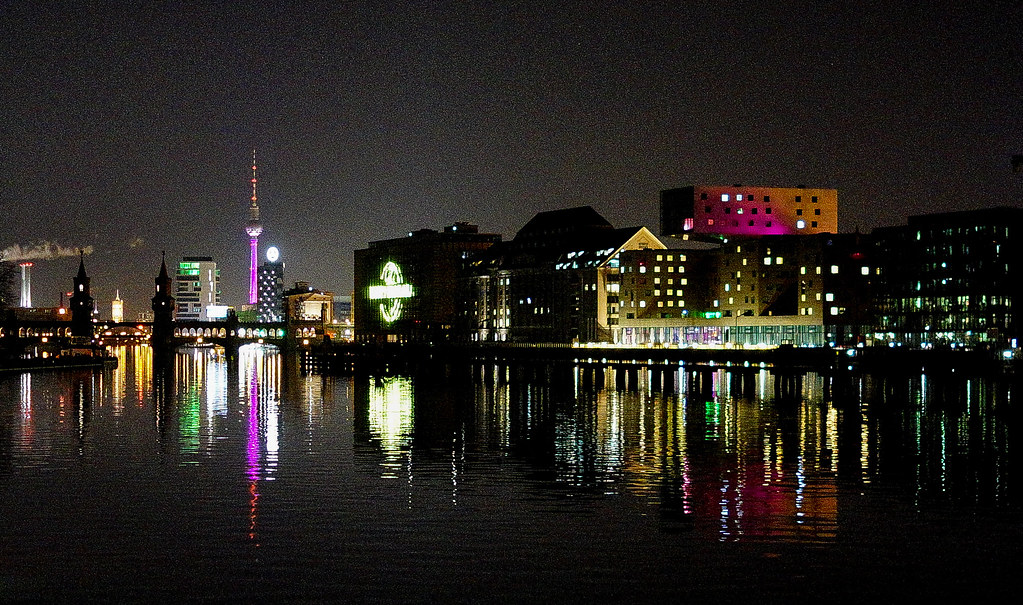
Berlin’s first dedicated Sleep and Recovery Centre has opened its doors in Mitte, aiming to tackle the city’s growing issues with poor sleep and recovery. Located at 107 Potsdamer Straße, the facility combines scientific diagnostics with tailored therapy programs, making it a unique resource for residents seeking to improve their sleep quality and overall wellbeing.
Rising Demand for Rest in a City That Never Stops
Sleep disorders and fatigue are climbing health concerns in Berlin. With a booming tech sector, 24-hour public transport, and an active nightlife culture, the city’s population often struggles to balance busy lifestyles with needed rest. According to a 2025 survey by the Berlin Senate Department for Health, nearly one in four adults here reports regular sleep disturbances, a figure that has risen 12% since 2020. Such chronic issues have been linked to increased risks of cardiovascular diseases and mental health problems, highlighting why local recovery services are critical now more than ever.
Integrating wellness into urban living is already a hallmark of the Berlin experience. From the outdoor gyms dotting Volkspark Friedrichshain to the tranquil lakeside paths around Wannsee, residents have embraced ways to unwind. Now, the Sleep and Recovery Centre adds a specialised facility catering to more clinical and targeted interventions.
The Centre’s Offerings and How They Anchor Berlin’s Wellness Scene
The new centre offers polysomnography studies, light therapy, and personalized cognitive behavioral therapy for insomnia (CBT-I) programs-all under one roof. It partners with Charité, Universitätsmedizin Berlin to ensure protocols meet the highest medical standards. Patrons can schedule comprehensive sleep assessments starting at €150, with therapy packages ranging from €600 to €1,200 depending on duration and complexity.
Local wellness initiatives often emphasise prevention through lifestyle but fall short when clinical intervention is necessary. The Sleep and Recovery Centre fills this gap. It also runs community workshops on sleep hygiene at the nearby Rosa-Luxemburg-Platz community health hub, tying into Berlin’s progressive approach to public health education.
Berlin’s cycling infrastructure and outdoor exercise options complement what the centre offers inside. Regular morning runs and evening sauna sessions-particularly at the historic Vabali Spa on Landsberger Allee-can reinforce sleep benefits, but professional evaluation remains key for chronic sleepers.
Recent studies support integrating clinical and lifestyle approaches. The German Sleep Society reported that cognitive behavioral therapies reduce insomnia symptoms by up to 70% when combined with physical activity. The centre intends to leverage such evidence to customise programs for Berlin’s diverse population.
How to Take the Next Step Toward Restful Nights
Residents interested in exploring Berlin’s central Sleep and Recovery Centre can book initial consultations via their website or phone. The centre advises keeping a sleep diary for one to two weeks before visiting, which helps therapists tailor treatments effectively.
In the meantime, Berliners should maintain consistent sleep schedules, moderate caffeine intake-especially after 3 pm-and take advantage of the city’s natural wellness assets like Wannsee’s lakeside for relaxation and Tiergarten’s running paths for daily exercise. Combining these with emerging clinical support could help change the curve on Berlin’s sleep health challenges.
As awareness grows about the importance of quality rest and recovery, this new local resource stands out as a vital piece of Berlin’s healthcare and wellness network. Sleep is no longer just a personal concern; it is a public one, with new neighbourhood hubs promising deeper, science-backed solutions for body and mind.