Berlin's Rental Market Heats Up as Investors Pivot from Sales
With purchase prices cooling, savvy property investors are redirecting capital toward long-term rentals in Kreuzberg and Friedrichshain, pushing yields to five-year highs.
With purchase prices cooling, savvy property investors are redirecting capital toward long-term rentals in Kreuzberg and Friedrichshain, pushing yields to five-year highs.
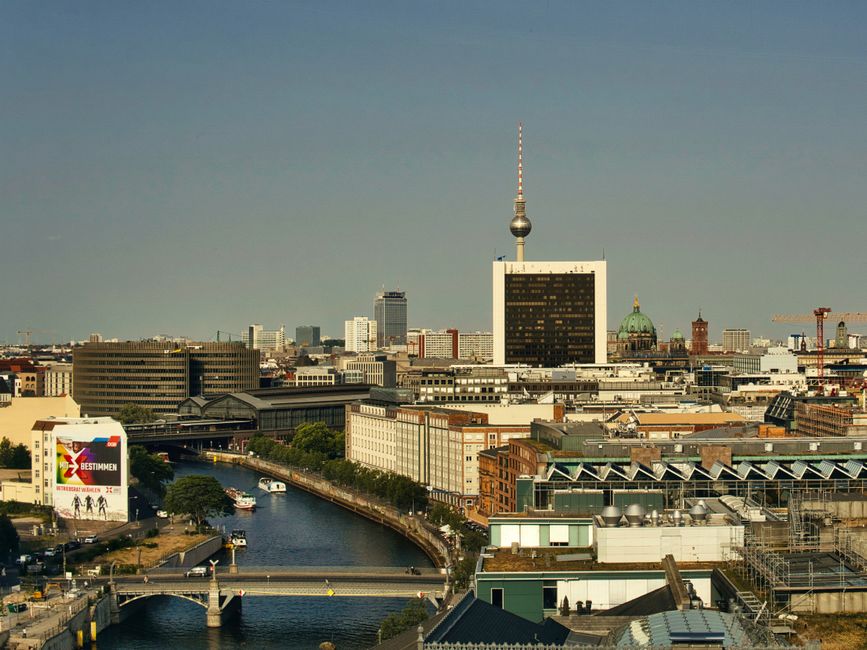
Berlin's property market is undergoing a subtle but significant shift, as investors who once chased rapid capital gains through sales are now turning their attention to the city's booming rental sector. Data from the latest quarterly market report shows that while median purchase prices have eased by 3.2 percent since early 2024, rental yields across key inner-city precincts have surged to their strongest levels in half a decade.
The pivot is most pronounced in traditionally investor-friendly neighborhoods. Kreuzberg, long favored by young professionals and creative industries, has seen rental demand spike 18 percent year-on-year, with average monthly rents for two-bedroom apartments climbing to €1,450—a 7.4 percent increase. Similarly, Friedrichshain's warehouse conversions and emerging cultural scene have attracted renters willing to pay €1,380 for comparable properties, creating an attractive 5.8 percent gross yield for landlords.
"We're witnessing a market recalibration," explains Marcus Hoffmann, senior analyst at Berlin Property Insights. "Higher interest rates and recent taxation changes have made speculative flipping less attractive, but the rental fundamentals remain exceptionally strong. Investors with longer time horizons are recognizing Berlin as a steady-income play."
The repricing is particularly noticeable along the Spree waterfront in Mitte and Charlottenburg, where new-build apartments have softened by 4.1 percent to an average of €8,200 per square meter. However, rental-ready stock in established neighborhoods continues to attract premiums. Properties in Prenzlauer Berg—traditionally Berlin's most expensive residential precinct—have plateaued at €12,500 per square meter for sales, but rental demand remains robust at €2,100 monthly for new lettings.
First-home buyers, meanwhile, are seizing the opportunity. Entry-level properties in outer precincts like Lichtenberg and Köpenick are increasingly within reach, with studio and one-bedroom units now available from €280,000 to €350,000—down meaningfully from 2023 peaks.
Market watchers suggest this cooling phase, while challenging for those hoping to capitalize on rapid appreciation, may ultimately stabilize Berlin's property ecosystem. The city's persistent undersupply of housing—with demand substantially outpacing new construction—continues to underpin both rental and purchase valuations across all major precincts.
For now, the strategic investor's playbook appears to be shifting: buy to rent, not to flip.
This article was compiled by AI and screened before publishing. See our editorial standards.
How does this story make you feel?
Spread the word
About this article
Published by The Daily Berlin
Daily brief
Free, in your inbox before 7am. Weekdays.
More in Property


