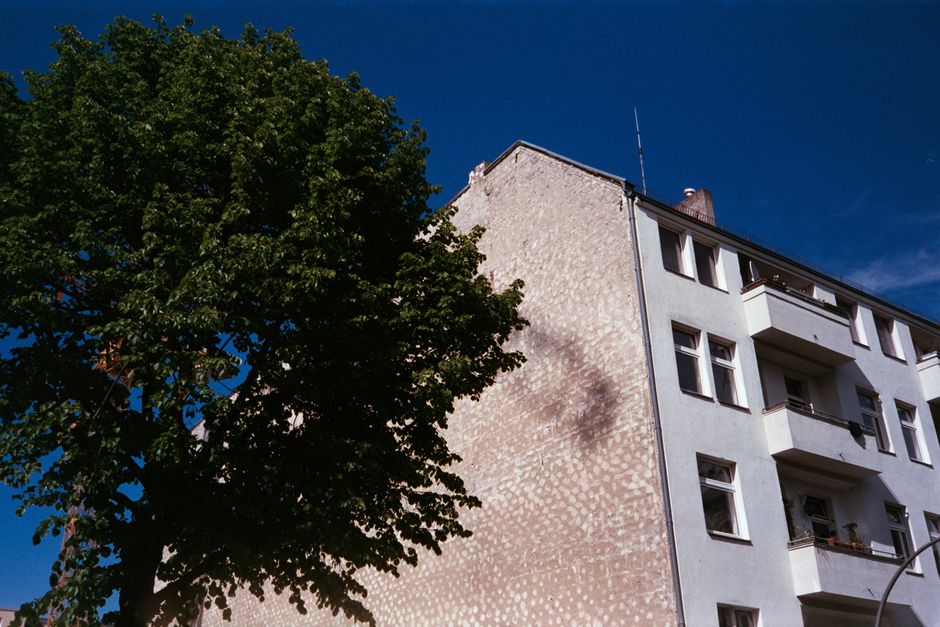
For decades, Berlin's reputation as Europe's most affordable major capital made homeownership an achievable goal for middle-income earners. Today, that narrative is rapidly changing as young professionals grapple with a widening gap between rental costs and purchase prices across the city's most desirable neighbourhoods.
Recent market analysis shows the rental-to-price ratio in central Berlin has shifted dramatically. In Kreuzberg, average rents now hover around €1,200 per month for a modest two-bedroom apartment, while purchase prices have climbed to approximately €7,500 per square metre. For perspective, that translates to roughly €450,000 for a comparable 60-square-metre property—a figure that stretches most first-time buyers' deposit requirements considerably.
The mathematics of renting versus buying reveals a critical inflection point. A prospective buyer in Friedrichshain would need to save for 8-10 years at current rental rates just to accumulate a modest 20 per cent deposit, assuming zero price appreciation. Yet market data from the past 18 months suggests prices have climbed 4-6 per cent annually in these precincts.
"We're seeing a generational shift," explains local property analyst Marco Weiss. "Renters who might have aimed to purchase by age 30 are now reconsidering their timeline. Some are looking to emerging suburbs like Lichtenberg or Köpenick, where prices remain more reasonable at €5,200 per square metre."
The rental market itself tells another story. Controlled rent increases have created unusual circumstances where established tenants in Charlottenburg or Tempelhof enjoy significantly lower rents than market-rate newcomers—creating perverse incentives where relocation often means sudden cost spikes of 30-40 per cent.
Financial institutions have tightened lending criteria, requiring larger deposits and stricter income multiples. Most banks now demand deposits of 25 per cent rather than the historical 20 per cent, effectively pricing out thousands of young professionals from homeownership in their preferred neighbourhoods.
For many Berlin renters, the decision is increasingly pragmatic: invest in lifestyle mobility and financial flexibility through renting, or commit capital to property in outlying areas with longer commutes. Several financial advisors now suggest younger buyers consider long-term rental strategies while building wealth through alternative investments.
The Berlin property market's evolution reflects broader affordability pressures reshaping Germany's major cities—a reality that challenges the assumption that homeownership remains the default aspiration for financially stable adults.
This article was compiled by AI and screened before publishing. See our editorial standards.