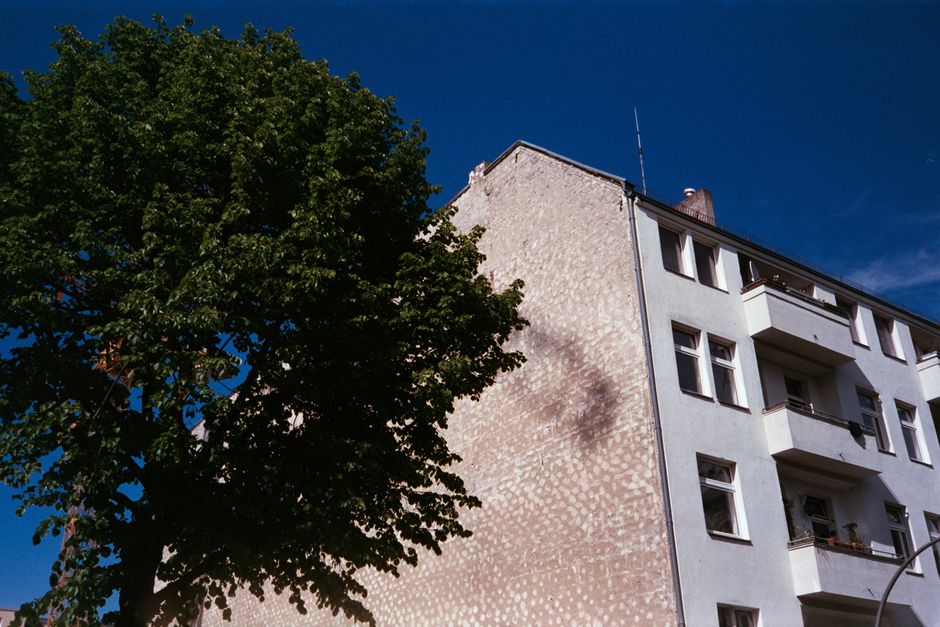
Berlin's property market is experiencing unprecedented momentum, with rental prices reaching their highest levels in a decade as international investors and young professionals flood into the German capital's most desirable precincts.
Data from local property analysts reveals that average monthly rents in Prenzlauer Berg have surged to €16.50 per square metre—a jump of 12% compared to the same period last year. The picturesque neighbourhood, known for its restored Gründerzeit apartments and vibrant cultural scene, continues to attract overseas buyers seeking stable returns in Europe's most dynamic capital.
"We're seeing record inquiry volumes from investors across the US, UK, and Scandinavia," says property consultant Marcus Weber from Berlin Immobilien Group. "They're viewing Berlin not just as an affordable alternative to London or Amsterdam, but as a genuine long-term investment opportunity."
Friedrichshain, traditionally positioned as Berlin's edgier alternative, is experiencing similarly robust growth. Average prices in the riverside precinct have climbed to €15.80 per square metre, with new developments along the Spree commanding premium valuations. The area's transformation from post-industrial hub to creative powerhouse has accelerated demand considerably.
Charlottenburg and Wilmersdorf—traditionally more expensive western districts—are seeing steadier but consistent appreciation. Average rents hover around €14.20 per square metre, attracting families and established professionals seeking spacious period properties with proximity to parks and international schools.
However, market observers caution that the growth trajectory may face headwinds. While Berlin's fundamentals remain strong—strong job creation, affordable costs compared to other European capitals, and ongoing infrastructure investment—supply constraints are beginning to bite. New residential completions have slowed to their lowest levels in five years, placing upward pressure on both rental and purchase prices.
"The sweet spot for investors is shifting," notes Weber. "Premium central locations like Kreuzberg and Tempelhof are becoming stratified. You're either buying heritage apartments at top-tier prices, or settling for newer construction further afield."
For owner-occupiers, the message is mixed. First-time buyers are facing stiffer competition for entry-level properties, while established homeowners in appreciating neighbourhoods are seeing their equity climb steadily. The broader Berlin market—averaging €8,500 per square metre across all districts—remains substantially cheaper than comparable European capitals, but the gap is narrowing.
Market analysts expect rental growth to moderate to 5-6% annually over the next two years, provided construction activity accelerates and supply constraints ease.
This article was compiled by AI and screened before publishing. See our editorial standards.