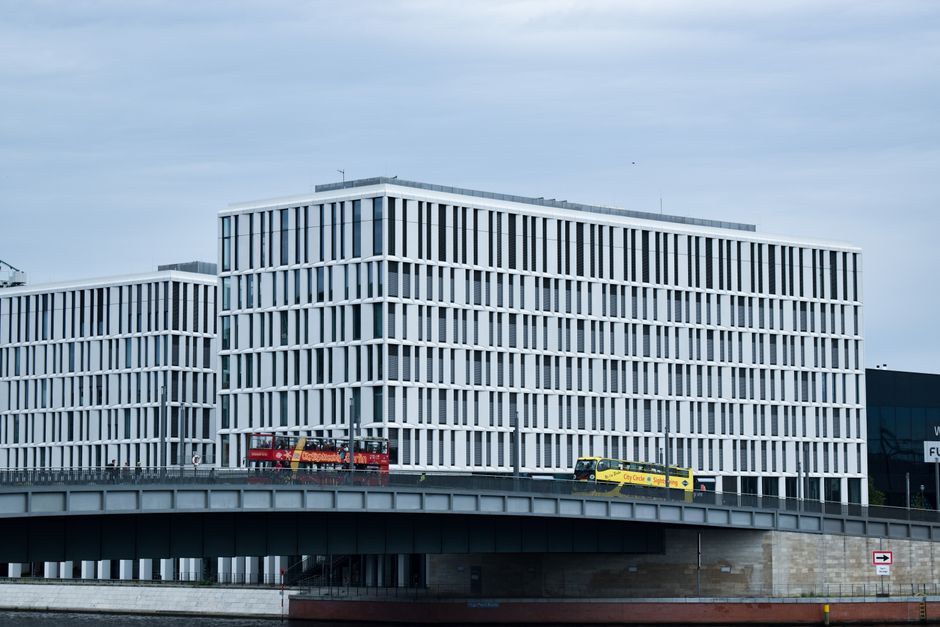
Walk through Bikini Berlin or the gleaming office parks along the Spree, and you'll find Berlin's business community grappling with an uncomfortable reality: the city's economic trajectory is increasingly tethered to geopolitical events thousands of kilometres away.
The fallout from recent Middle Eastern tensions has already rippled through Berlin's logistics and export-heavy sectors. Companies along the Industriegelände Rummelsburger Bucht—home to manufacturing firms and automotive suppliers—report delayed shipments and elevated transport costs. One mid-sized engineering firm in Lichtenberg indicated shipping costs to Asia have risen 15-20% in recent weeks, forcing difficult conversations about hiring freezes and contract negotiations with clients.
Simultaneously, migration pressures are reshaping Berlin's labour market in unexpected ways. The Venezuelan humanitarian crisis, combined with ongoing instability in Afghanistan and the Sahel, has increased asylum applications across the city. While integration programmes have improved, local HR professionals report persistent skills-matching challenges. A recruitment agency based near Alexanderplatz noted that processing employment permits for qualified migrants now takes 8-12 weeks—a bottleneck that's forcing businesses to hold positions open longer than planned.
Trump's renewed protectionist stance adds another layer of uncertainty. Berlin's tech sector—particularly the startup ecosystem concentrated in Kreuzberg and Friedrichshain—relies heavily on American venture capital and international client bases. Early-stage founders at WeWork locations across the city express cautious concern about tariff implications and market access, though the full impact remains unclear.
The local labour market reflects these pressures. Berlin's unemployment rate, which hovered around 7.5% earlier this year, masks deeper anxieties. Job postings in export-dependent sectors have plateaued, while demand for logistics coordinators and customs specialists has spiked. Salary expectations in tech have softened slightly—not a collapse, but a noticeable cooling compared to 2024's exuberance.
Paradoxically, instability sometimes creates opportunity. Security services, consulting firms advising on supply chain diversification, and companies pivoting away from Asia are hiring. Berlin's established pharmaceutical and biotech firms—clustered in areas like the Wissenschaftspark Adlershof—report steady recruitment momentum, reflecting investor confidence in sectors perceived as insulated from geopolitical shocks.
The broader message for businesses operating from Berlin is clear: local hiring decisions can no longer be made in isolation. Companies that successfully navigate 2026 will be those building flexibility into their teams, diversifying supply chains, and maintaining realistic growth projections. For job seekers, adaptability—particularly multilingual capabilities and supply chain expertise—has become genuinely marketable.
This article was compiled by AI and screened before publishing. See our editorial standards.