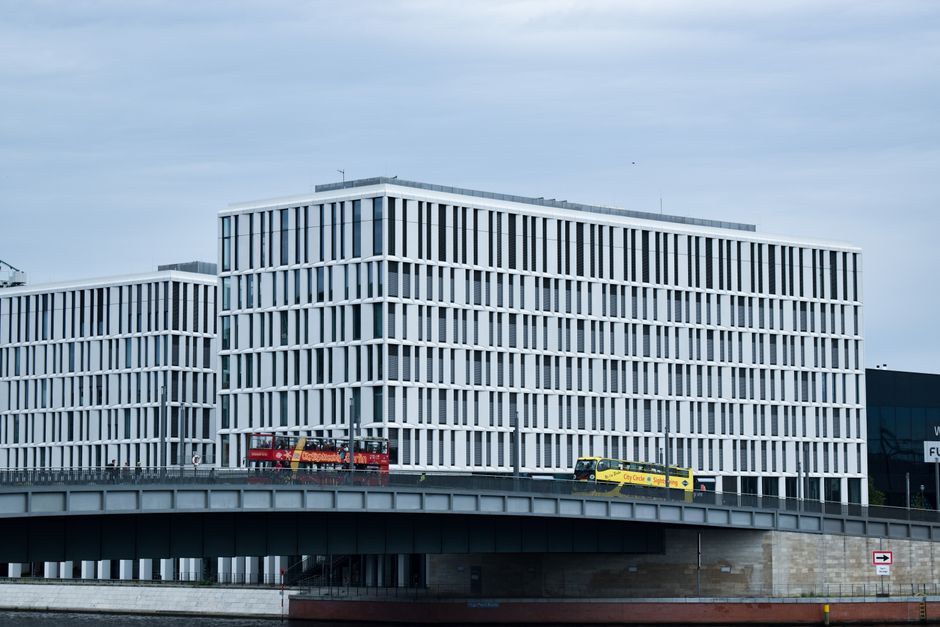
As visitor numbers recover post-pandemic, Berlin's tourism sector faces a fragmented market where peak seasons compress, spending habits diversify, and neighbourhood dynamics reshape traditional business models.
A former philosophy student's fintech venture is reshaping how SMEs access capital—and proving Berlin's startup scene rivals Silicon Valley for ambition.
Rising labour costs and changing consumer preferences are reshaping how restaurants and shops operate across the capital, with particular pressure in Kreuzberg, Prenzlauer Berg, and Charlottenburg.
Rising operational costs and volatile investment flows are reshaping the capital's startup and mid-market landscape—here's what Berlin's entrepreneurs need to know.
A year of stalling growth, rising operating costs, and geopolitical uncertainty has left Berlin's employers wrestling with hiring freezes and talent retention crises.
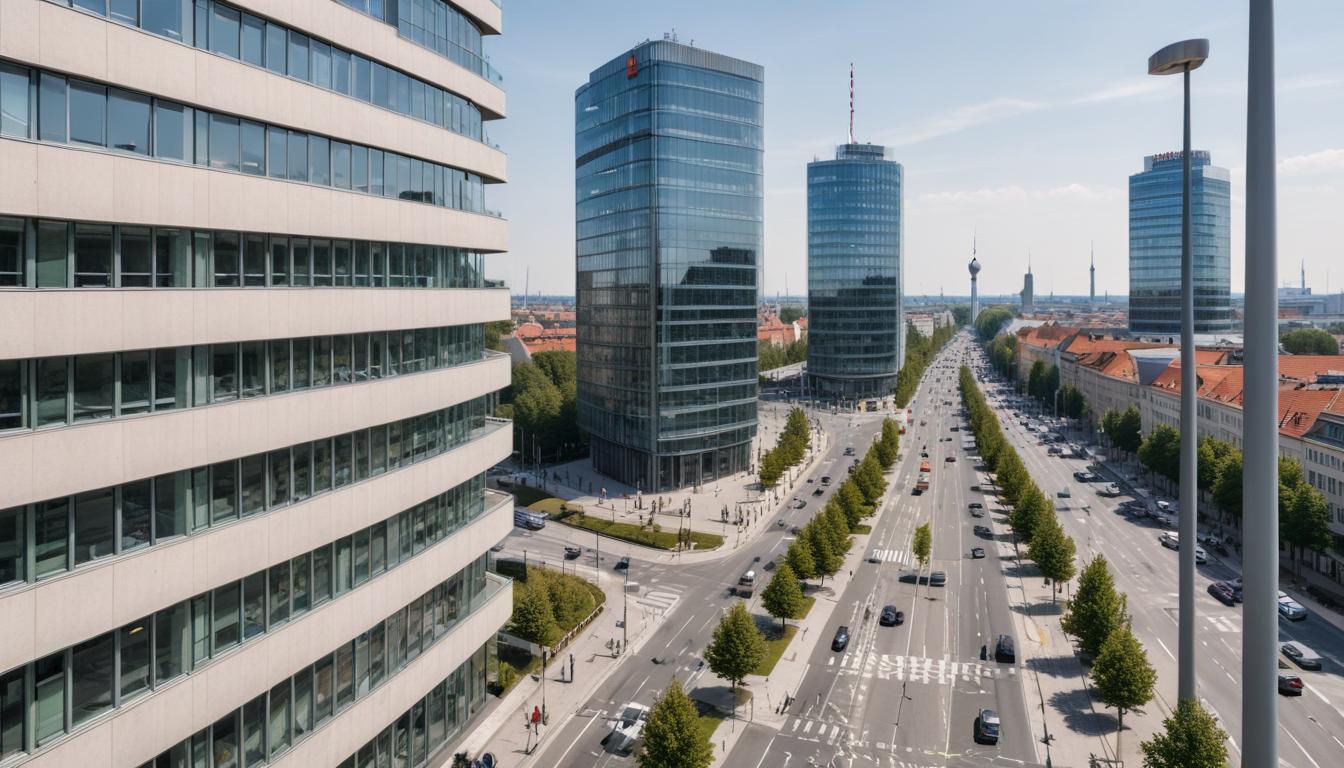
Berlin's office market stabilizes with €18–22/sqm rents in Mitte. Tech firms and startups drive conversion activity in Leipziger Strasse's former publishing district.
As global supply chains fracture, a local startup founder is reshaping how German engineering reaches emerging markets—proving Berlin's business pulse extends far beyond tech.
As residential costs surge across the city, a small cohort of property holders and fintech firms are capitalizing on desperation, raising questions about who benefits from Berlin's affordability crisis.
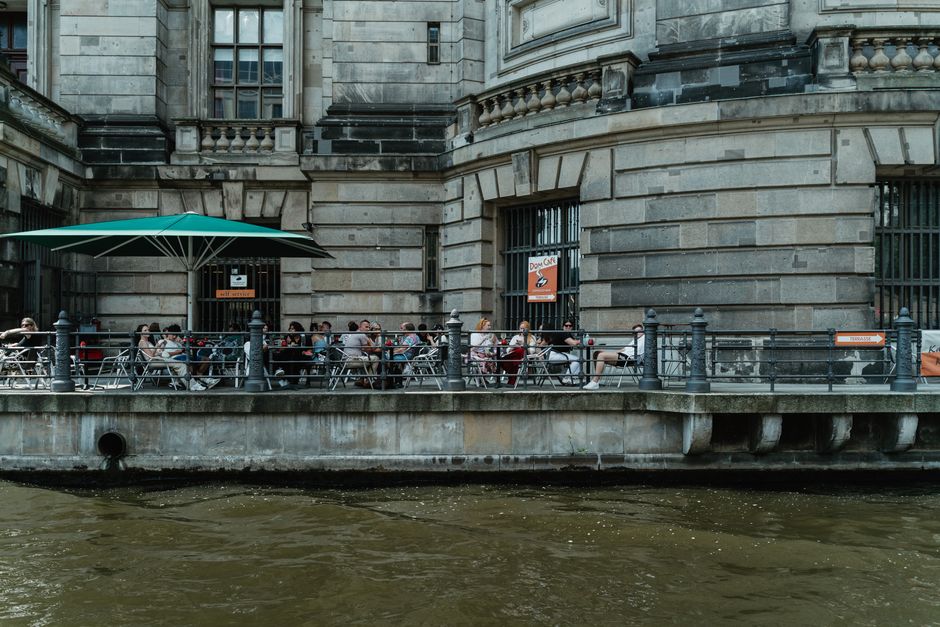
As international visitors flood back to the capital, savvy hospitality operators and neighbourhood entrepreneurs are repositioning themselves to capture the wave.
New data reveals cautious optimism in the capital's restaurant and retail landscape, though capital allocation patterns suggest a geographic realignment away from traditional hotspots.
As Berlin's unemployment rate dips to 7.2%, a Friedrichshain-based software training company is becoming a blueprint for how local businesses can tackle the capital's persistent skills shortage.
Major capital inflows into the hospitality sector signal confidence in Berlin's recovery, but wage pressures and supply-chain costs reveal a more complex picture.
As foreign capital floods into the capital's tech and real estate sectors, residents face a widening gap between wage growth and living costs—here's what the numbers actually tell us.
From tech startups in Kreuzberg to manufacturing in the outer districts, Berlin's employers are recalibrating strategies in response to Middle Eastern tensions, Venezuelan migration pressures, and Trump's protectionist policies.