Global Instability Reshapes Berlin's €18 Billion Tourism Economy
Geopolitical tensions and public safety concerns are forcing local hospitality businesses to adapt strategies that once seemed unthinkable.
Geopolitical tensions and public safety concerns are forcing local hospitality businesses to adapt strategies that once seemed unthinkable.
Berlin's tourism sector, which generated approximately €18 billion in economic activity last year, faces an unprecedented reckoning with global instability. Hotel occupancy rates in Mitte and Charlottenburg have declined 8-12% compared to the same quarter in 2025, according to preliminary data from the Berlin Chamber of Commerce, as international visitors reassess travel plans amid ongoing geopolitical tensions affecting multiple continents.
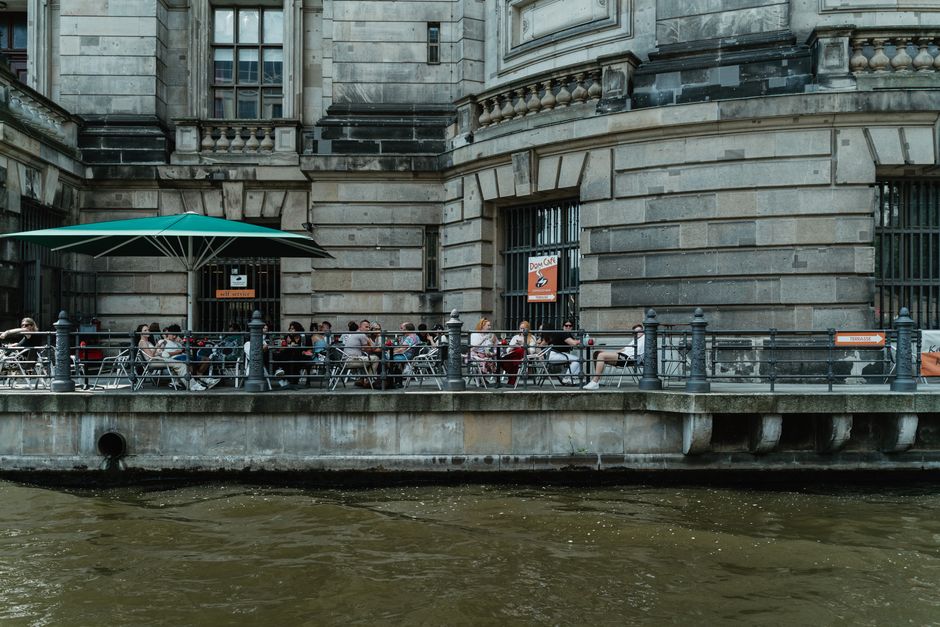
The ripple effects are visible across the city's visitor-dependent businesses. Restaurants along Museum Island—traditionally packed with international tour groups—report reduced dinner reservations, while boutique hotels in Kreuzberg and Neukölln are adjusting pricing strategies downward to maintain booking momentum. A spokesperson for a mid-range accommodation provider on Kurfürstendamm noted that cancellations from North American and Middle Eastern markets have increased substantially since mid-June, with rebooking rates proving sluggish.
"We're seeing shorter average stays and more last-minute bookings," explains a manager at a three-star hotel near Alexanderplatz, speaking on condition of anonymity. "Families that normally book three weeks in advance are now booking three days out. The uncertainty factor has changed how people plan."
The Visitberlin marketing organization is recalibrating campaigns to emphasize Berlin's safety credentials and cultural stability. However, industry insiders acknowledge that messaging can only accomplish so much when headlines dominate traveler decision-making. Tour operators report that itineraries emphasizing domestic tourism and nearby European destinations are gaining traction at the expense of long-haul bookings.
The economic consequences extend beyond hotels. Museums, galleries, and attractions—including the Pergamon Museum and the East Side Gallery—typically derive 35-40% of summer revenue from international visitors. Gift shops, transportation services, and casual dining establishments throughout Charlottenburg, Tiergarten, and Tempelhof are adjusting staffing levels accordingly.
Business leaders are exploring contingency strategies. Some hospitality groups are redirecting marketing budgets toward European source markets perceived as more stable, while others are developing domestic German tourism packages. Conference and event bookings—historically more resilient than leisure travel—remain relatively steady, though even corporate travel shows signs of contraction.
The situation remains fluid. Economic forecasters suggest Berlin's tourism economy could recover quickly if global conditions stabilize, given the city's established reputation as a cultural and creative hub. Until then, local businesses are managing what many describe as the most volatile operating environment in a decade.
This article was compiled by AI from the sources linked above and screened before publishing. See our editorial standards.
How does this story make you feel?
Spread the word
About this article
Published by The Daily Berlin
Daily brief
Free, in your inbox before 7am. Weekdays.
More in Business