Berlin's Trade Pulse: How Global Investment Flows Shape the City's Economic Future
As international capital moves faster than ever, understanding currency swaps and foreign direct investment becomes crucial for Berlin's business leaders.
As international capital moves faster than ever, understanding currency swaps and foreign direct investment becomes crucial for Berlin's business leaders.
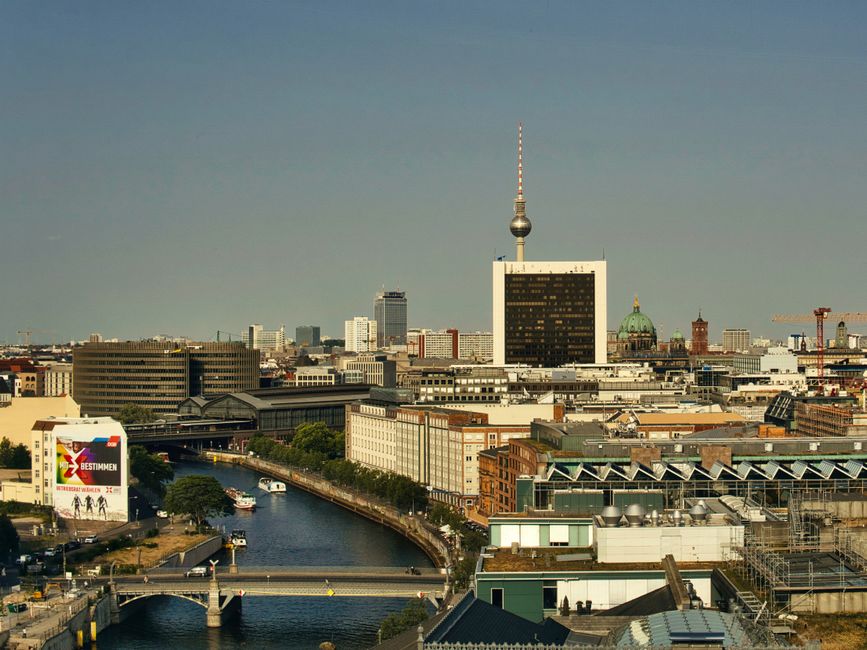
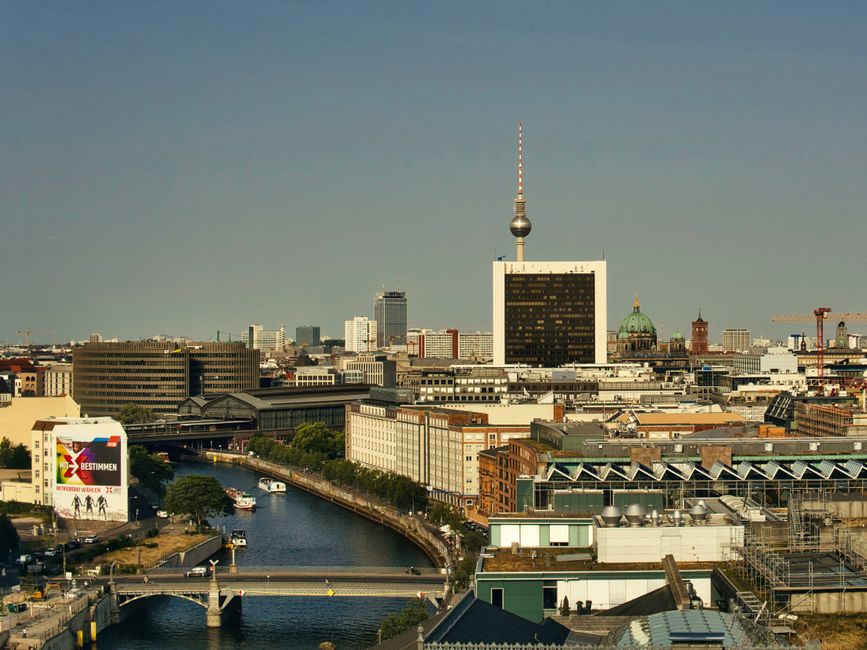
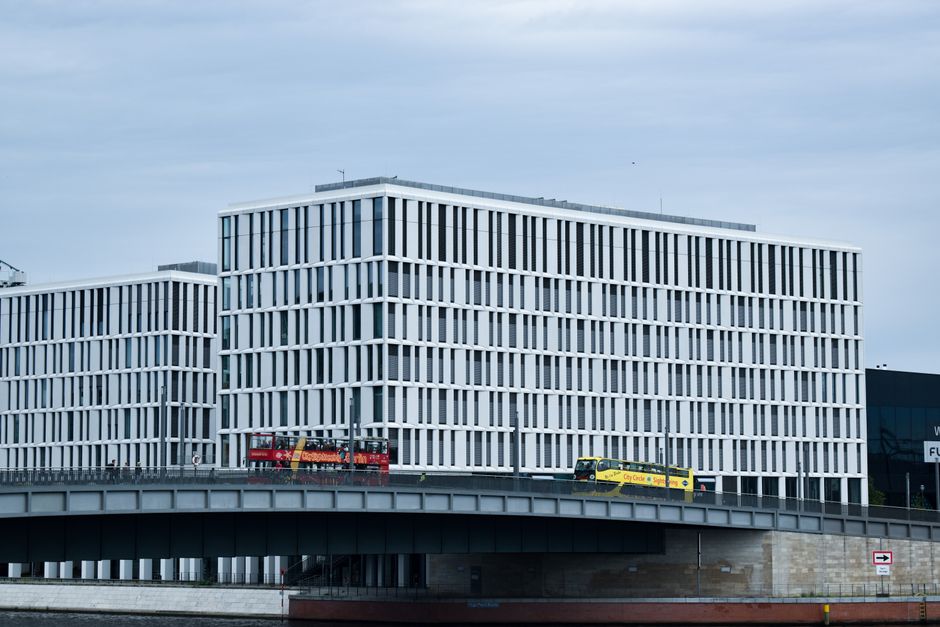
Walk through Mitte's startup hubs or the gleaming office parks along the Spree, and you'll see the physical manifestation of global capital flows. Yet most Berlin entrepreneurs struggle to interpret the economic signals that drive investment decisions affecting their city. Understanding these indicators has become essential as geopolitical tensions reshape where money moves.
Foreign direct investment into Germany fell 24% in 2025 compared to the previous year, according to the German Trade and Investment Council. For Berlin specifically, the picture is mixed. While tech investment in the Kreuzberg and Friedrichshain corridors remained relatively resilient—with venture funding reaching €850 million—manufacturing and logistics sectors have seen capital redirection toward Eastern European alternatives, where labour costs and regulatory burdens appear more attractive to international investors.
The strength of the euro against emerging market currencies provides a crucial lens here. When the euro appreciates, German exports become pricier for international buyers, but it simultaneously makes foreign acquisitions more affordable for German companies. This dynamic has accelerated M&A activity in Berlin's biotech cluster around Charité and the surrounding research institutes, where several mid-sized firms have attracted Asian and American investors.
Currency volatility particularly affects Berlin's pharmaceutical and cleantech sectors. The recent dollar strength—partly reflecting geopolitical uncertainty—has made American investment in Berlin companies more expensive, yet paradoxically increased competition for talent, as dollars convert favourably to euros on recruitment terms.
Real estate investment trusts tracking Berlin commercial property have become barometers of confidence. Office space in premium Charlottenburg and Schöneberg districts saw price stabilisation after significant declines, suggesting cautious optimism among international property investors about the city's medium-term prospects. Average asking rents for Grade-A office space hover around €28 per square metre annually—notably cheaper than Munich or Hamburg, yet not the bargain they were five years ago.
Understanding bond yield spreads between German Bunds and peripheral European debt offers another signal: when spreads widen, risk appetite diminishes, and Berlin's smaller companies face tighter credit conditions. Current spreads suggest moderate investor confidence, with implications for startup funding accessibility through traditional banking channels.
The underlying message is clear: Berlin's economic resilience depends on accurately reading these invisible flows of capital, currency movements, and investor sentiment that determine whether the next innovation district thrives or stagnates.
This article was compiled by AI from the sources linked above and screened before publishing. See our editorial standards.
How does this story make you feel?
Spread the word
About this article
Published by The Daily Berlin
Daily brief
Free, in your inbox before 7am. Weekdays.
More in Business