Why Your Favorite Kreuzberg Café Owner Just Raised Prices—And What It Means for Your Wallet
As Berlin's small businesses face a perfect storm of rising costs, residents need to understand the economics reshaping neighborhood commerce.
As Berlin's small businesses face a perfect storm of rising costs, residents need to understand the economics reshaping neighborhood commerce.
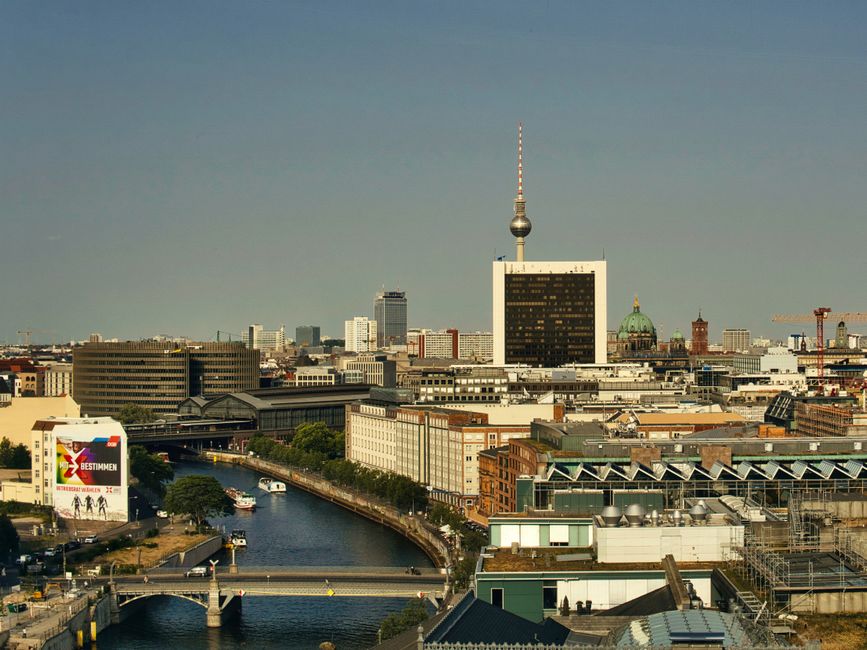
Walk down Mehringdamm or Kottbusser Tor on any given morning, and Berlin's small business ecosystem appears vibrant: independent cafés, vintage boutiques, and family-run bakeries still dot the landscape. But beneath this familiar streetscape, a quiet crisis is forcing difficult choices on entrepreneurs who have defined the city's character for decades.
The pressure points are stark. Commercial rent in Kreuzberg has climbed roughly 35 percent over the past three years, according to local property data. Energy costs remain 40 percent above pre-pandemic levels. And labor expenses—Berlin's minimum wage stands at €12.41 per hour—have compressed already-thin margins that characterize independent retail and hospitality.
This is why your morning coffee at that beloved spot near the Landwehr Canal now costs €4.50 instead of €3.80. Why the bookshop on Raoul-Wallenberg-Straße in Charlottenburg has reduced opening hours. Why neighborhood bakers are experimenting with smaller portion sizes rather than cutting quality.
For everyday Berliners, understanding this dynamic matters more than most realize. Small businesses employ roughly 70 percent of Berlin's private sector workforce. They anchor neighborhoods, generate foot traffic that benefits adjacent shops, and provide the diversity that distinguishes Berlin from homogenized commercial zones elsewhere.
Yet consumer behavior is shifting. Data from the Berlin Chamber of Commerce shows that 62 percent of residents now research prices online before purchasing locally—a practical habit that intensifies competition with multinational retailers and e-commerce platforms that operate on different economic models. When a chain café on the Kurfürstendamm can undercut independent operators through volume purchasing, the independent doesn't simply disappear; it closes, and the neighborhood changes.
The challenge extends beyond pricing. Many small business owners report difficulty accessing affordable credit, competing for skilled staff, and navigating regulatory requirements. A florist operating in Prenzlauer Berg faces compliance costs that a suburban garden center avoids entirely.
This doesn't require residents to abandon price consciousness. Rather, it demands awareness: when choosing where to spend money, understanding that supporting neighborhood businesses—even at slightly higher cost—preserves the urban fabric that makes Berlin distinctive. The €1 premium for coffee at a family-owned café funds a local employee's salary, keeps rent flowing to Berlin landlords, and maintains the streets people actually want to walk.
The next time you consider where to shop, the economics playing out behind that choice deserves consideration. Berlin's character isn't inevitable. It's built daily, by small decisions, in neighborhood shops that operate on margins far tighter than most residents understand.
This article was compiled by AI from the sources linked above and screened before publishing. See our editorial standards.
How does this story make you feel?
Spread the word
About this article
Published by The Daily Berlin
Daily brief
Free, in your inbox before 7am. Weekdays.
More in Business


