Why Berlin's Office Crisis Means Higher Rents and Fewer Services for You
As commercial property values plummet across the city, landlords are shifting costs to residents—and the neighbourhood shops you depend on are disappearing.
As commercial property values plummet across the city, landlords are shifting costs to residents—and the neighbourhood shops you depend on are disappearing.
Berlin's office market is in freefall, and while that might sound like a distant corporate problem, it's about to hit your wallet harder than you'd expect. The commercial property sector that once anchored neighbourhoods like Mitte and Charlottenburg is fundamentally reshaping how you live in this city.
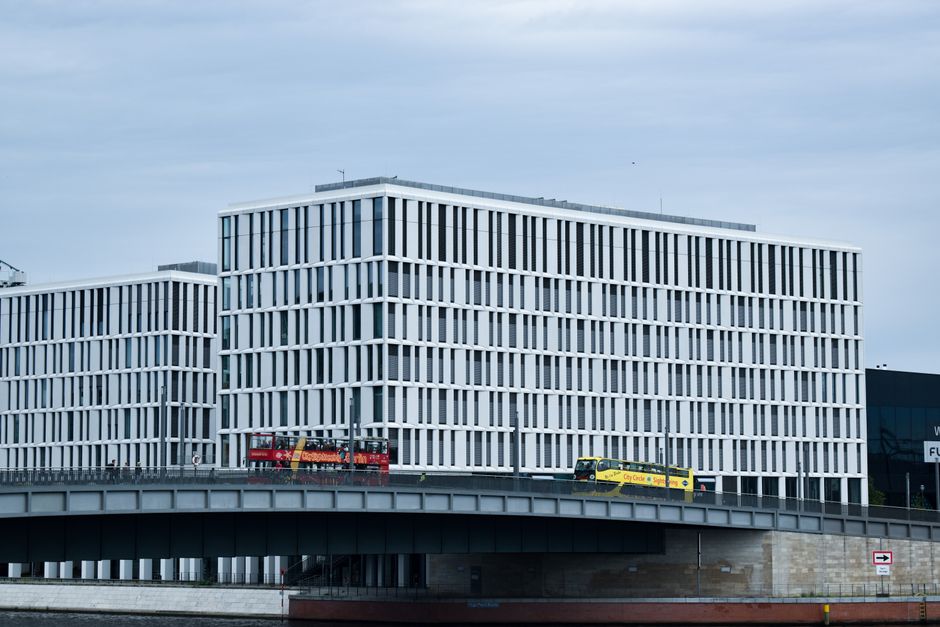
The numbers tell a stark story. Prime office space in the Kurfürstendamm corridor, once Berlin's most sought-after business address, has seen rental rates drop nearly 30 percent since 2022. Vacancy rates now exceed 12 percent citywide—the highest in a decade. Major corporations have abandoned sprawling headquarters for flexible working arrangements, leaving entire floors of the Europaplatz developments and office parks along the Landwehr Canal essentially empty.
Here's why you should care: landlords facing collapsing commercial income are aggressively hiking residential rents to compensate. Property owners managing mixed-use buildings in Kreuzberg and Friedrichshain are now squeezing tenants harder than ever. Simultaneously, the neighbourhood ecosystem you've relied on is fragmenting. Independent bookshops, cafés, and small retailers that once occupied ground-floor commercial spaces can't afford the inflated rents landlords are demanding. The human-scale Berlin—the one that made this city attractive—is being sacrificed to corporate real estate arithmetic.
Local councils are alarmed. Berlin's business chamber reported that 40 percent of small retail operators in Neukölln and Tempelhof-Schöneberg are reconsidering their locations. Some are migrating to cheaper outer boroughs or closing entirely. Meanwhile, large corporations consolidating operations mean fewer jobs in central districts, pushing commute times longer for workers across the region.
The deeper problem: Berlin's office market built around pre-pandemic assumptions about how people work. The shift to hybrid arrangements exposed structural oversupply. Unlike London or Frankfurt, Berlin never developed strong demand from financial services to anchor the sector. Tech companies that did move here—around Görlitzer Straße and the Kreuzberg tech corridor—are themselves tightening belts.
City planners are now grappling with converting redundant office space into housing, but that takes years. Until then, expect continued upward pressure on flat rents, fewer neighbourhood amenities, and a less vibrant street life. Some developers are experimenting with mixed-use conversions in Wedding and Spandau, but there's no silver bullet.
The message is clear: Berlin's transformation from a livable neighbourhood-based city to something thinner and more expensive isn't inevitable. But without urgent intervention in how commercial property gets used and regulated, that's the trajectory we're on.
This article was compiled by AI from the sources linked above and screened before publishing. See our editorial standards.
How does this story make you feel?
Spread the word
About this article
Published by The Daily Berlin
Daily brief
Free, in your inbox before 7am. Weekdays.
More in Business