Berlin's Tech Talent Pipeline: How One Kreuzberg Founder is Reshaping the City's Employment Landscape
As Berlin's job market tightens, a new generation of local entrepreneurs is building bridges between the city's fractured talent pools.
As Berlin's job market tightens, a new generation of local entrepreneurs is building bridges between the city's fractured talent pools.
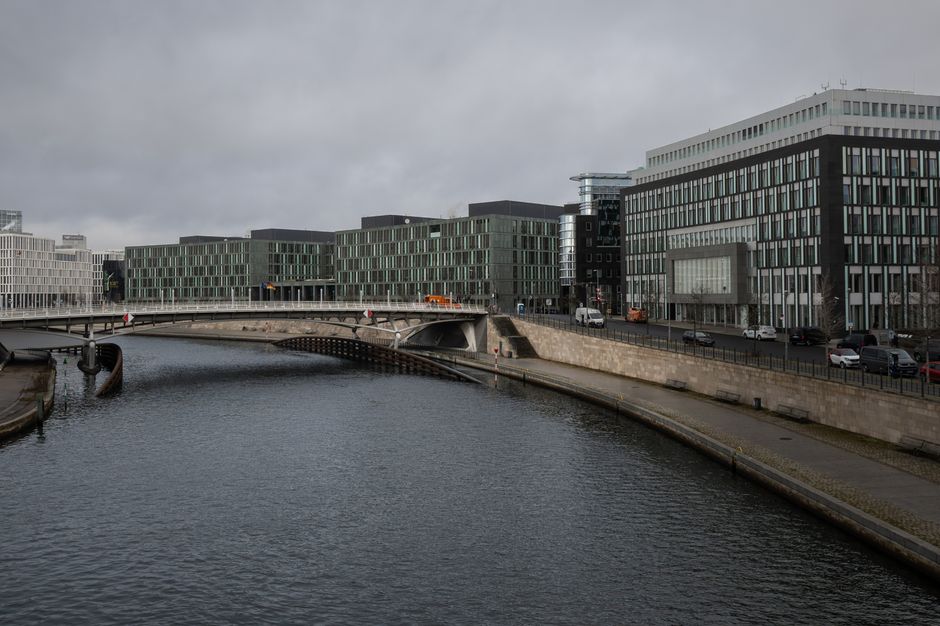
Berlin's unemployment rate has edged to 7.2% this quarter, a stubborn figure that masks a paradox: thousands of jobs remain unfilled across the tech and creative sectors. For Mira Köhler, whose employment-tech startup Urban Bridges launched from a converted warehouse on Kottbusser Damm eighteen months ago, this gap represents both crisis and opportunity.
"We kept hearing the same complaint from both sides," Köhler explains in a recent conversation. "Companies couldn't find skilled workers. Talented people couldn't navigate the German bureaucracy or find roles that matched their experience." Her platform, which has grown to place over 380 workers in permanent positions across Berlin, tackles a structural problem that threatens the city's economic momentum even as international investment pours in.
The numbers tell a cautionary tale. According to Berlin's Chamber of Commerce, vacancy rates in software development and data science have doubled since 2023, while average salaries for mid-level tech positions have climbed 18% to €52,000 annually. Yet recruitment timelines stretch to five months on average—a lifetime in fast-moving sectors. Urban Bridges' intervention—combining skills matching with visa support and German language coordination—has compressed that to six weeks.
Located in the heart of Kreuzberg's business renaissance, the startup operates from a 450-square-metre space that doubles as a co-working hub. It's become a visible symbol of how neighbourhood-level infrastructure can drive broader economic change. The surrounding area, historically marginal to Berlin's business conversation, now hosts over forty tech firms and generates an estimated €180 million in annual revenue.
What distinguishes Köhler's approach is pragmatism laced with social conscience. Urban Bridges doesn't cherry-pick only elite talent; it actively recruits from underrepresented communities—recent immigrants, career-changers, and people navigating disability employment gaps. Roughly 34% of placements fall into these categories, a ratio that reflects both ethical commitment and hard-nosed business logic: Berlin's talent shortage won't resolve through competition alone.
The city's government has taken notice. Earlier this month, the Berlin Senate green-lit a €2.3 million funding programme for employment intermediaries, with Urban Bridges among the first recipients. The decision signals recognition that solving Berlin's job market friction requires more than passive job boards.
As Berlin competes with Munich and Hamburg for mobile talent and corporate relocation, stories like Köhler's matter. They suggest the city's next phase of growth won't depend solely on venture capital or international brand recognition. Instead, it may hinge on whether local entrepreneurs can systematically unlock the potential already present within Berlin's diverse, complicated, resilient workforce.
This article was compiled by AI from the sources linked above and screened before publishing. See our editorial standards.
How does this story make you feel?
Spread the word
About this article
Published by The Daily Berlin
Daily brief
Free, in your inbox before 7am. Weekdays.
More in Business


