Berlin's hospitality sector is sending unmistakable signals of robust economic health. New data from the Chamber of Commerce and Industry Berlin-Brandenburg shows that investment in the city's retail and food sectors reached €2.3 billion in the first half of 2026—a 34% increase compared to the same period last year. For business observers, understanding what drives these numbers matters far more than celebrating them.
The mechanics are straightforward: venture capital firms and private equity groups have identified Berlin's neighbourhoods as undervalued compared to Frankfurt and Hamburg. Average commercial property prices in Friedrichshain rose 12% year-on-year, while Charlottenburg saw restaurant lease costs climb to €85 per square metre—still 20% cheaper than comparable Munich locations. This price differential continues to attract both domestic and international investors seeking expansion opportunities.
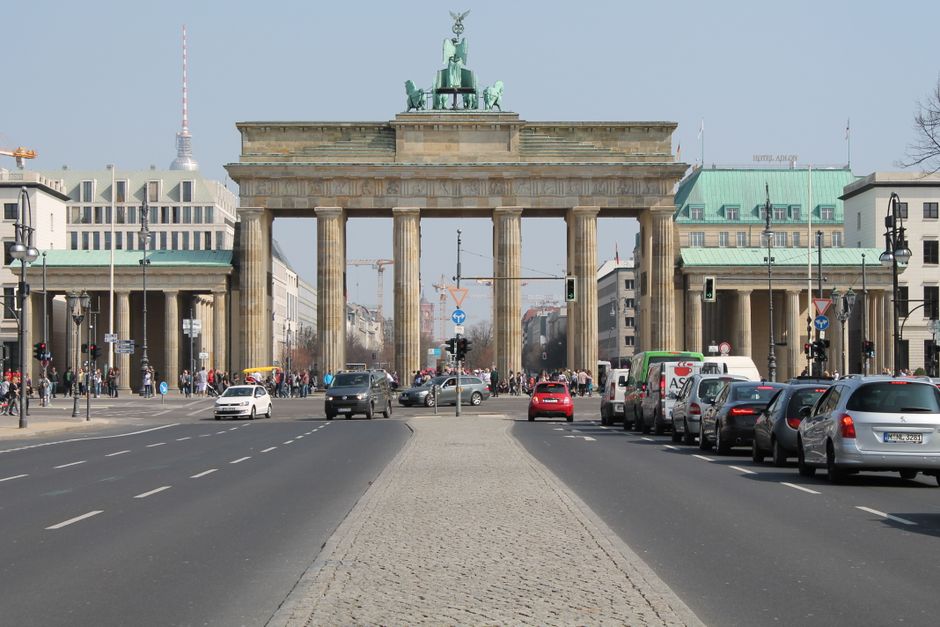
Consumer spending patterns underpin these flows. The German Retail Association reports that Berlin's foot traffic in hospitality districts increased 18% in Q2 compared to 2025, with average transaction values up 6%. This translates to operational profitability that venture investors find attractive. A mid-sized restaurant group opening three new venues across the Unter den Linden corridor requires capital deployment; success here signals viability for broader expansion across Germany.
Currency movements also play a role. The weakening of certain European currencies relative to dollar-denominated investment funds has made German assets incrementally cheaper for US-based hospitality operators. Several American quick-service concepts are eyeing Kurfürstendamm storefronts as pilot markets.
However, rising rents create countervailing pressure. Independent café operators report frustration: landlords in Kreuzberg and Neukölln are increasingly reluctant to accept inflation-linked agreements, preferring percentage-based rent tied to turnover. This shifts risk from property owners to hospitality entrepreneurs—a dynamic that favours corporate chains with financial cushion over family-run establishments.
Labour costs form another critical indicator. Hospitality wage growth in Berlin has outpaced inflation, rising 7.2% annually as competition for trained staff intensifies. This cost structure must be absorbed through pricing or margin compression, both of which economic models track closely.
The broader picture: Berlin's hospitality investment surge reflects genuine consumer demand and operator confidence, but it remains vulnerable to interest rate movements and consumer spending weakness. Investment flows follow opportunity, and opportunity follows profit margins. For now, Berlin's margins remain attractive—but only for those watching the numbers closely.
This article was compiled by AI from the sources linked above and screened before publishing. See our editorial standards.