Berlin's Tech Boom Reshapes the Job Market as Global Trade Realigns
Supply chain disruptions and shifting trade agreements are creating new talent demands across the city's startup and logistics hubs.
Supply chain disruptions and shifting trade agreements are creating new talent demands across the city's startup and logistics hubs.
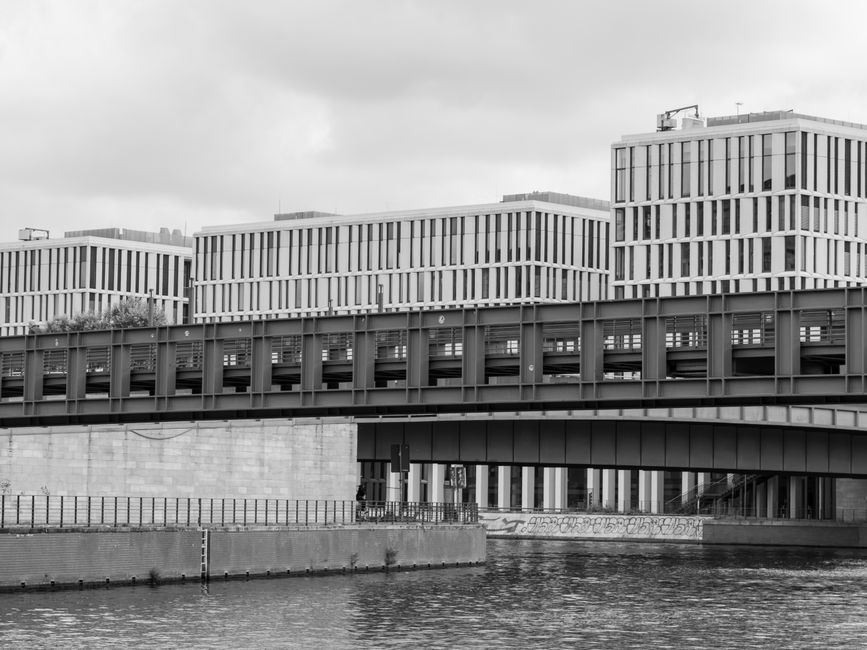
Berlin's labour market is undergoing a quiet transformation as geopolitical tensions and trade realignment reshape which skills employers desperately need. The ripple effects of recent US-Iran negotiations, Pakistani-Afghan tensions, and broader shifts in global commerce are forcing Berlin-based companies—from logistics firms in Lichtenberg to software exporters in Kreuzberg—to rethink their international strategies and hiring priorities.
"We're seeing demand surge for supply-chain specialists who understand alternative routing," says a recruitment specialist at Berlin's Chamber of Commerce, based in the Mitte district. Over the past eighteen months, job postings for logistics coordinators with geopolitical awareness have jumped 34 percent, according to analysis of Berlin job boards. Meanwhile, export compliance roles—once niche positions—now command salaries reaching €55,000 annually for mid-level candidates, up from €42,000 two years ago.
The shift is most visible along the Spree waterfront and in Friedrichshain, where supply-chain tech companies cluster. Firms managing freight routes through volatile regions now compete aggressively for talent. A mid-sized logistics startup near Ostbahnhof recently offered remote work flexibility and relocation packages to poach experienced supply-chain managers from Munich and Hamburg.
International trade law expertise has become particularly sought after. German export associations report members scrambling to hire consultants who can navigate new tariff frameworks and trade negotiations. Berlin's legal sector, concentrated around Charlottenburg, is absorbing these roles—though many positions remain unfilled. Universities like Humboldt-Universität are expanding trade-focused programmes, but graduation rates lag employer demand by months.
The talent shortage extends to language skills. Mandarin, Farsi, and Arabic proficiency now commands premium compensation in Berlin's business services sector—particularly for roles involving risk assessment or market intelligence. Recruitment firms on the Kurfürstendamm report candidates with these capabilities fielding multiple competing offers within weeks.
Not all change benefits workers equally. Automation of routine customs documentation has eliminated entry-level positions in logistics, even as specialist roles proliferate. Career progression paths have shifted; companies increasingly demand certifications in international trade law or supply-chain management rather than promoting internally.
Berlin's universities and vocational training providers face pressure to adapt. While demand for specialists outpaces supply, mid-skilled roles in import-export administration have contracted. For jobseekers, the message is clear: adaptability and geopolitical literacy are now baseline expectations in Berlin's increasingly complex international business landscape.
This article was compiled by AI from the sources linked above and screened before publishing. See our editorial standards.
How does this story make you feel?
Spread the word
About this article
Published by The Daily Berlin
Daily brief
Free, in your inbox before 7am. Weekdays.
More in Business


