Berlin's Office Exodus: How Hybrid Work Is Reshaping the City's Talent Wars
As major employers abandon traditional headquarters, Berlin's job market is fracturing into competing clusters—and workers are gaining leverage like never before.
As major employers abandon traditional headquarters, Berlin's job market is fracturing into competing clusters—and workers are gaining leverage like never before.
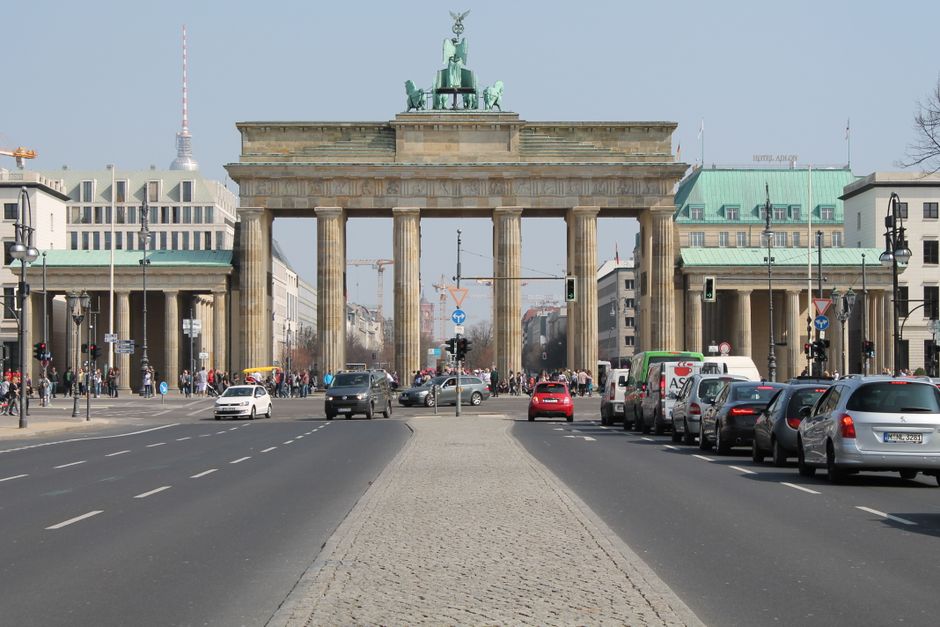
Berlin's commercial property market is undergoing its most significant transformation in two decades. The city's once-booming office sector—anchored by sprawling corporate campuses in Mitte, Charlottenburg, and around the Spree—is experiencing a structural realignment that extends far beyond real estate values.
Data from Berlin's Chamber of Commerce reveals that office vacancy rates in prime Mitte locations have climbed to 12.8%, up from 7.2% in 2022. Simultaneously, smaller satellite offices and hybrid-friendly spaces in emerging neighborhoods like Friedrichshain and Kreuzberg are commanding premium rents. This geographic fragmentation is quietly rewriting the rules of Berlin's job market.
The shift traces to widespread adoption of hybrid work models. Tech giants like SoundCloud and N26, once symbols of Berlin's startup density, have reduced their Mitte footprints dramatically. Larger corporations—from insurance firms to logistics companies—are consolidating headcount in core downtown zones while opening smaller hubs closer to residential neighborhoods like Prenzlauer Berg and Neukölln.
For workers, this means unprecedented flexibility. Job seekers no longer face the binary choice of accepting a commute from Wedding to Charlottenburg or relocating entirely. A software engineer at a fintech firm can now negotiate a role based partly in a Friedrichshain micro-office, partly remote. This diffusion of employment centers is reshaping Berlin's talent competition.
"Companies are fighting for people in ways they weren't five years ago," says the head of a major Berlin recruitment firm, noting that employers in less accessible neighborhoods now offer enhanced remote allowances or transit subsidies. Salaries for mid-level positions in tech and finance have climbed 8–12% year-on-year, driven partly by competition across dispersed job centers.
The implications ripple through Berlin's neighborhoods. Areas like Tempelhof and Spandau—historically peripheral to the job market—are attracting new office investment. Local property consultants report growing interest in mixed-use developments that blend residential, retail, and office space, reflecting employers' desire for flexibility without massive fixed real estate costs.
Yet challenges persist. Transit connectivity between emerging job clusters remains uneven. Workers in outer neighborhoods face longer journeys despite closer office locations. And while salaries have risen, Berlin's commercial rent increases—especially in amenity-rich areas—threaten to offset wage gains for lower earners.
As Berlin's office market continues to fragment, one certainty emerges: the city's talent competition is becoming genuinely distributed. The age of the singular downtown jobs hub is over. What replaces it will define Berlin's economic competitiveness for the next decade.
This article was compiled by AI from the sources linked above and screened before publishing. See our editorial standards.
How does this story make you feel?
Spread the word
About this article
Published by The Daily Berlin
Daily brief
Free, in your inbox before 7am. Weekdays.
More in Business


