Walk down Friedrichstrasse in Mitte these days and you'll notice something unmistakable: gleaming office buildings with names like SoundCloud and Zalando have transformed Berlin's geography as dramatically as the fall of the Wall once did. But while venture capitalists celebrate the city's €3.5 billion in startup funding last year, everyday residents are grappling with a messier reality—one that touches their wallets, their neighbourhoods, and the Berlin they thought they knew.
The numbers tell part of the story. Berlin now hosts over 3,000 startups, more than any European city except London. That concentration has created genuine benefits: better broadband infrastructure, new restaurants and cafés catering to young professionals, and job opportunities that have attracted talent from across Europe. Average rents in innovation hotspots like Kreuzberg and Friedrichshain, however, have climbed 40-50% over the past five years—far outpacing wage growth and pricing out long-term residents.
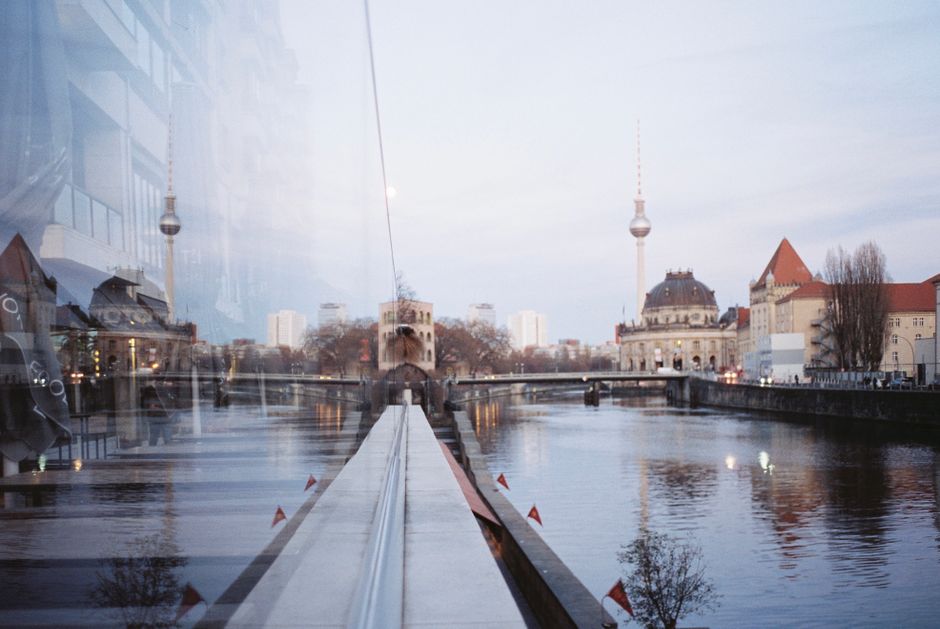
The shift is unmissable on the ground. In Kreuzberg's RAW-Gelände and around the Spree waterfront in Friedrichshain, former industrial spaces have become co-working hubs and tech incubators. The change brings foot traffic and investment, but also gentrification pressures that local community organisations warn threaten the creative character these neighbourhoods were known for.
What should concern everyday Berliners most? First, transparency. Many startup investments remain opaque to the public—we don't always know what data these companies collect, where their profits go, or whether they're delivering genuine public benefit or just extracting value. Second, inequality. While tech workers enjoy rising salaries and subsidised meals, service sector workers and pensioners on fixed incomes face housing insecurity. Third, urban planning. The city's Senate has approved rapid expansion without always consulting affected communities.
The good news: residents do have leverage. Berlin's tradition of citizen participation means community forums, tenant associations, and local councils can shape how innovation districts develop. Organisations like the Mieterverein Berlin actively contest disruptive change, and consumers can support businesses with genuine community commitment.
The startup ecosystem isn't inherently good or bad for Berlin—its impact depends on how the city manages it. Residents should demand that growth serves existing communities, not just shareholders. That means affordable housing requirements in development deals, transparent data practices, and real investment in public services alongside private enterprise. Berlin's startup story is being written right now. The question is whether it's a story Berliners themselves get to tell.
This article was compiled by AI from the sources linked above and screened before publishing. See our editorial standards.