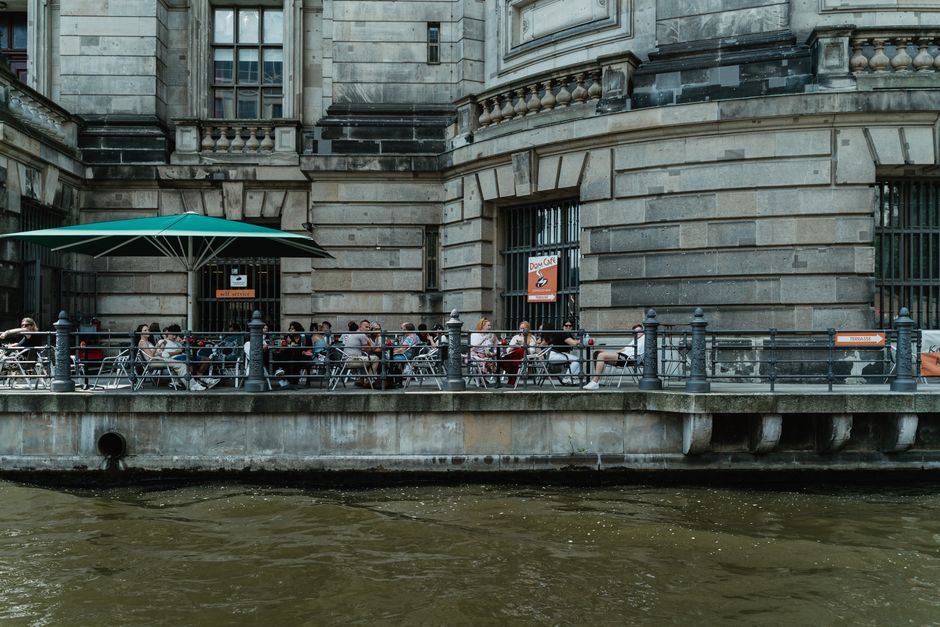
The tremors from Venezuela's political crisis and escalating Pakistan-Afghanistan violence may seem distant from the sun-drenched terraces of Prenzlauer Berg, but Berlin's business community knows better. As geopolitical tensions spike globally, local entrepreneurs are quietly recalibrating their operations, investment strategies, and hiring plans.
Berlin's tech sector—concentrated in areas like Kreuzberg and along the Spree—faces particular pressure. Venture capital flows from the US and Middle East have softened considerably this quarter, with several Berlin-based startups reporting delayed Series A funding rounds as international investors adopt a wait-and-see posture ahead of US-Iran peace talks. "We're seeing more cautious commitments," says a spokesperson from Berlin's Chamber of Commerce, noting that traditionally aggressive Middle Eastern sovereign wealth funds have become notably reserved.
The hospitality sector tells a similar story. Hotels along Kurfürstendamm and in the Charlottenburg district report a noticeable dip in bookings from the Gulf region—traditionally a strong summer source. Meanwhile, restaurants in Friedrichshain report ingredient cost pressures as supply chain disruptions from Pakistan affect import timelines for specialty products. A popular Afghan restaurant near Görlitzer Bahnhof recently increased menu prices by 8-12 percent to offset logistics costs.
Rising geopolitical risk has also triggered currency volatility. The euro's fluctuation against the dollar directly impacts Berlin's export-heavy manufacturing base in outer districts like Köpenick and Lichtenberg. Manufacturers warn that a weaker euro benefits exports but complicates procurement of dollar-denominated raw materials—an uncomfortable seesaw.
Locally, the cost-of-living picture remains mixed. Berlin's average rent has stabilized around €14-16 per square meter in popular neighborhoods like Mitte and Kreuzberg, but energy costs remain elevated due to broader European supply uncertainties. Small business operators cite electricity bills as a primary concern—particularly acute for tech-heavy operations requiring constant cooling.
The broader message: Berlin's insulated-feeling bubble is increasingly permeable. A startup founder cannot ignore Middle East peace negotiations; a hotel manager cannot dismiss Venezuelan economic collapse; a restaurant owner cannot ignore South Asian supply routes. The city's business leaders are learning that in 2026, "local" business has no true boundaries.
Berlin's Chamber of Commerce is coordinating information sessions throughout July to help SMEs hedge currency exposure and diversify supply chains—tacit acknowledgment that global turbulence now demands local strategy adjustments.
This article was compiled by AI from the sources linked above and screened before publishing. See our editorial standards.