What Berlin Diners and Shoppers Need to Know About This Summer's Restaurant and Retail Shake-Up
Labour shortages and energy costs are forcing neighbourhood restaurants and cafés to change their models—here's what's actually changing for residents.
Labour shortages and energy costs are forcing neighbourhood restaurants and cafés to change their models—here's what's actually changing for residents.
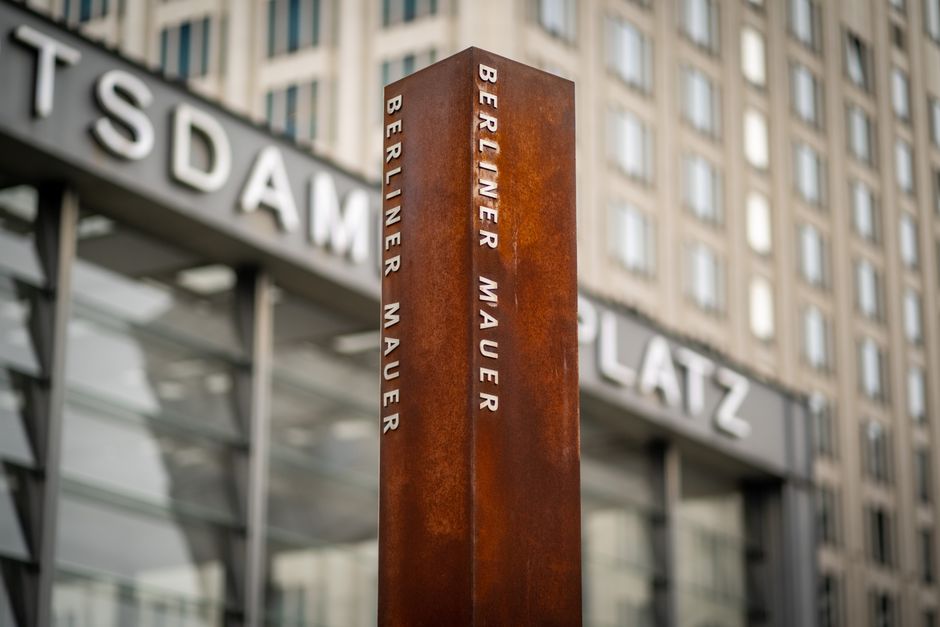
Walk along Kurfürstendamm or through Kreuzberg's RAW-Gelände these days, and you'll notice something: fewer restaurants are open seven days a week, menus are shrinking, and that coffee you grab in Prenzlauer Berg now costs roughly 15 per cent more than it did two years ago. These aren't random fluctuations. They reflect fundamental pressures reshaping Berlin's €8.2 billion hospitality and retail sector.
The numbers tell the story. According to the Berlin Chamber of Commerce, roughly 12 per cent of mid-sized restaurants in the city have reduced operating hours since January 2026, with many closing Mondays or Tuesdays entirely. Small cafés in districts like Charlottenburg and Tempelhof-Schöneberg report labour vacancy rates above 18 per cent—finding kitchen staff and waiters remains brutally competitive. Wages for experienced hospitality workers have climbed 22 per cent since 2024, a direct response to Germany's broader employment crisis.
Energy bills have compounded the problem. A typical neighbourhood restaurant now spends €4,500 to €6,000 monthly on gas and electricity, up from €3,200 in 2024. For smaller operations—the kind that line streets like Bergmannstraße or Boxhagener Platz—that's the difference between profit and closure.
What does this mean for residents? Expect higher prices across the board. A typical lunch menu in Mitte now averages €14–16, versus €11–13 two years ago. Grocery shopping has shifted too: supermarket chains are consolidating smaller outlets, particularly in outer districts. Retail foot traffic in Spandau and Lichtenberg has declined as residents increasingly shop online, forcing traditional retailers to rethink their presence.
Some neighbourhoods are adapting faster than others. Restaurants in Friedrichshain and Kreuzberg have embraced reduced menus focused on high-margin dishes and seasonal specials. Delivery partnerships with platforms like Wolt and Lieferando have become survival strategies rather than supplementary revenue. Retail concepts are shifting too: pop-up shops and temporary vendors are replacing long-term leases on Schlossstraße and in Wilmersdorf.
The summer season—typically peak revenue for Berlin's hospitality sector—will reveal which establishments can weather these pressures. For everyday residents, the takeaway is simple: dining out costs more, choices may narrow, and neighbourhood spots you've relied on might operate differently. The Berlin restaurant scene isn't disappearing, but it's undeniably transforming. Understanding these shifts helps residents make smarter choices about where to eat and shop as the city adapts to new economic realities.
This article was compiled by AI from the sources linked above and screened before publishing. See our editorial standards.
How does this story make you feel?
Spread the word
About this article
Published by The Daily Berlin
Daily brief
Free, in your inbox before 7am. Weekdays.
More in Business


