Berlin's Job Market Sends Mixed Signals: What the Economic Data Actually Tells Us
As investment flows shift and unemployment ticks upward, Berlin's business leaders are parsing what the numbers mean for hiring and growth.
As investment flows shift and unemployment ticks upward, Berlin's business leaders are parsing what the numbers mean for hiring and growth.
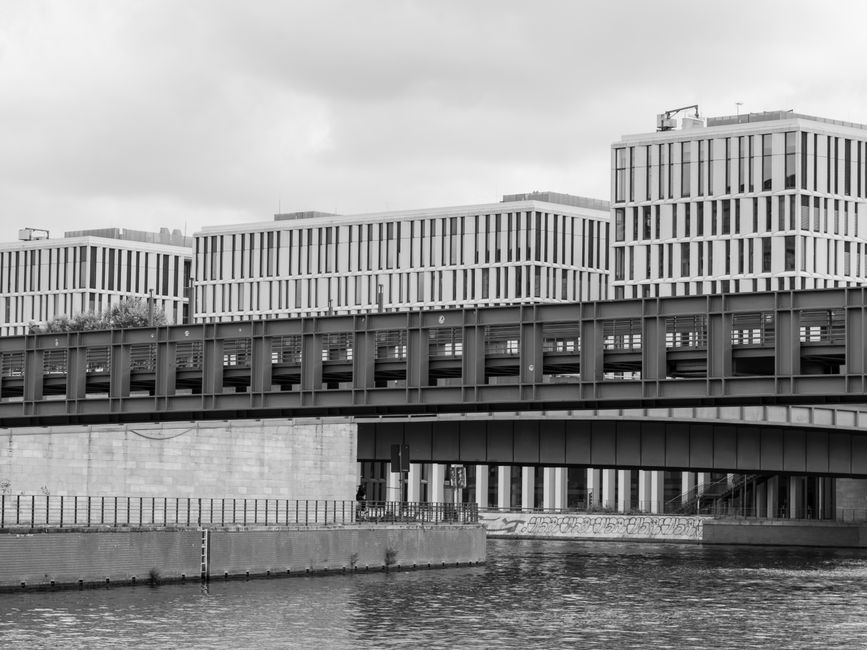
Berlin's labour market is displaying the contradictions that define the German capital in 2026. Official unemployment rose to 9.2 per cent in May—a full percentage point above the national average—yet venture capital continues flowing into the city's tech corridors in Mitte and Kreuzberg. Understanding what these competing signals mean requires looking beyond headlines at the mechanics of investment and job creation.
The most striking indicator is where money is actually going. Venture funding into Berlin startups totalled €1.8 billion in the first half of 2026, down from €2.4 billion in the same period last year, according to data aggregated by local business networks. That 25 per cent decline reflects caution among international investors, particularly from Silicon Valley and Singapore funds that had bankrolled Berlin's growth story for nearly a decade. Companies clustered around Potsdamer Platz and along the Spree have begun implementing hiring freezes.
Yet this doesn't tell the whole story. Traditional sectors are diverging sharply. Manufacturing employment in the surrounding Brandenburg region has contracted by 3.7 per cent, dragging down regional statistics. Meanwhile, the city's service economy—particularly legal, consulting, and financial services concentrated in the Charlottenburg and Tiergarten districts—has added roughly 4,200 jobs since January. Average salaries in these fields have risen 2.8 per cent year-on-year, outpacing inflation.
The real pressure point is the middle. Berlin's economy has historically relied on smaller and medium-sized enterprises (SMEs), which employ roughly 62 per cent of the working-age population. These firms face a peculiar squeeze: rising energy costs from Germany's energy transition, labour shortages in skilled trades, and reduced consumer spending as German household confidence dips. SME hiring intentions fell 6 points in the latest quarterly survey by the Berlin Chamber of Commerce.
Real estate costs tell another story. Office vacancy rates in Prenzlauer Berg and Wedding have climbed to 8.4 per cent, the highest in five years, as remote working persists and some companies consolidate. Average office rents have fallen roughly 12 per cent from 2024 peaks, providing some relief to new ventures looking to establish operations.
Economists at the Berlin Institute for Economic Research suggest these cross-currents will likely persist through autumn. The key variable: whether major corporate announcements—several multinational firms have Berlin expansions in pipeline—materialise into actual hiring. Until then, the city's 3.6 million residents face a bifurcated employment landscape where sector and skill level matter more than ever.
This article was compiled by AI from the sources linked above and screened before publishing. See our editorial standards.
How does this story make you feel?
Spread the word
About this article
Published by The Daily Berlin
Daily brief
Free, in your inbox before 7am. Weekdays.
More in Business


