From Kreuzberg to the Stock Exchange: How Berlin's Fintech Pioneer is Making Wealth Management Accessible
A locally-grown investment platform is reshaping how middle-income Berliners navigate rising housing costs and stagnant savings rates.
A locally-grown investment platform is reshaping how middle-income Berliners navigate rising housing costs and stagnant savings rates.
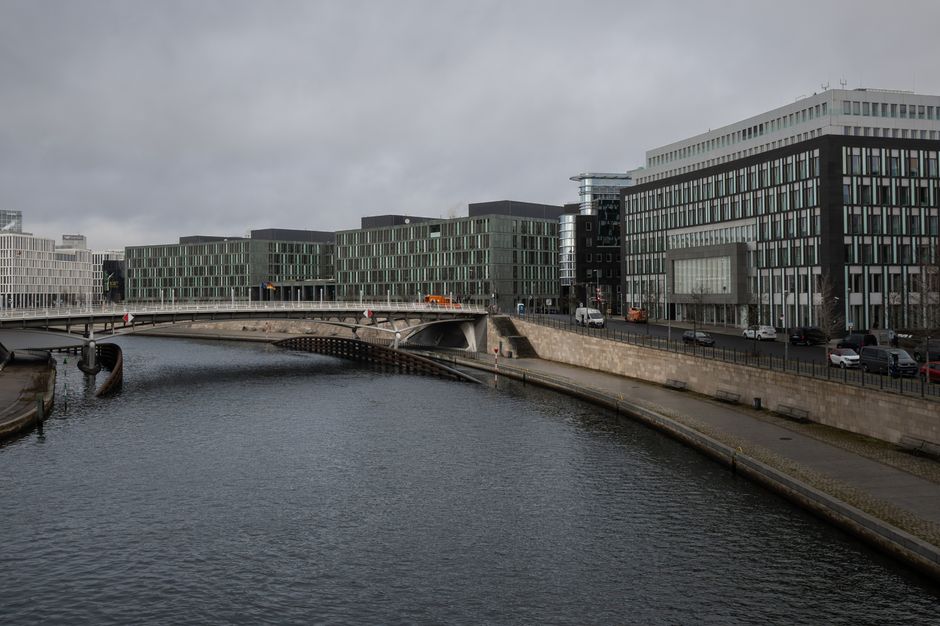
On a nondescript corner of Mehringdamm in Kreuzberg, a modest office building houses one of Berlin's fastest-growing financial technology companies. Founded in 2023, the startup has quietly grown to serve over 45,000 users across Germany, offering automated investment portfolios with entry points as low as €50—a direct response to the city's mounting cost-of-living crisis.
The backdrop for this venture is stark. Berlin's average rent has climbed 28 percent since 2019, now standing at €14.50 per square metre for new contracts. Simultaneously, traditional savings accounts offer returns below inflation, forcing residents to seek alternative wealth-building strategies. The company's platform directly addresses this gap, targeting young professionals and families struggling to reconcile expensive urban living with long-term financial security.
What sets this operation apart is its hyperlocal focus. Unlike international fintech giants, the team has embedded itself in Berlin's entrepreneurial ecosystem, partnering with local credit unions in Charlottenburg and community banks across Neukölln. They've also established financial literacy workshops at venues like the Betahaus in Mitte, teaching Berliners about passive investing and portfolio diversification.
The numbers tell a compelling story. Users report an average portfolio growth of 7.2 percent annually—modest by speculative standards, but transformative for middle-income Berliners accustomed to zero-interest savings accounts. For a 32-year-old earning €48,000 annually in Friedrichshain, even small consistent investments can accumulate meaningfully over decades.
Current market conditions have tested the platform's resilience. European interest rate volatility and ongoing economic uncertainty have prompted the team to expand their educational offerings rather than chase higher-risk returns. This conservative approach has resonated with Berlin's pragmatic business culture, where sustainable growth often trumps explosive scaling.
The company now operates across three Berlin locations—with additional hubs in Munich and Hamburg—but maintains its identity as a Berlin-native operation. This matters. In a city where startups frequently chase venture capital and rapid exits, this venture has chosen profitability and community integration over growth-at-all-costs metrics.
As Berlin residents grapple with property ownership increasingly out of reach, platforms enabling systematic wealth accumulation represent a quiet but significant shift in the city's financial landscape. What started in a Kreuzberg office may ultimately reshape how ordinary Berliners approach their financial futures.
This article was compiled by AI from the sources linked above and screened before publishing. See our editorial standards.
How does this story make you feel?
Spread the word
About this article
Published by The Daily Berlin
Daily brief
Free, in your inbox before 7am. Weekdays.
More in Business