Berlin's Startup Dream Hits Reality: Innovation District Faces Perfect Storm of Headwinds in 2026
Rising costs, talent drain, and tightening venture capital are forcing founders in Mitte and Kreuzberg to rethink ambitions.
Rising costs, talent drain, and tightening venture capital are forcing founders in Mitte and Kreuzberg to rethink ambitions.
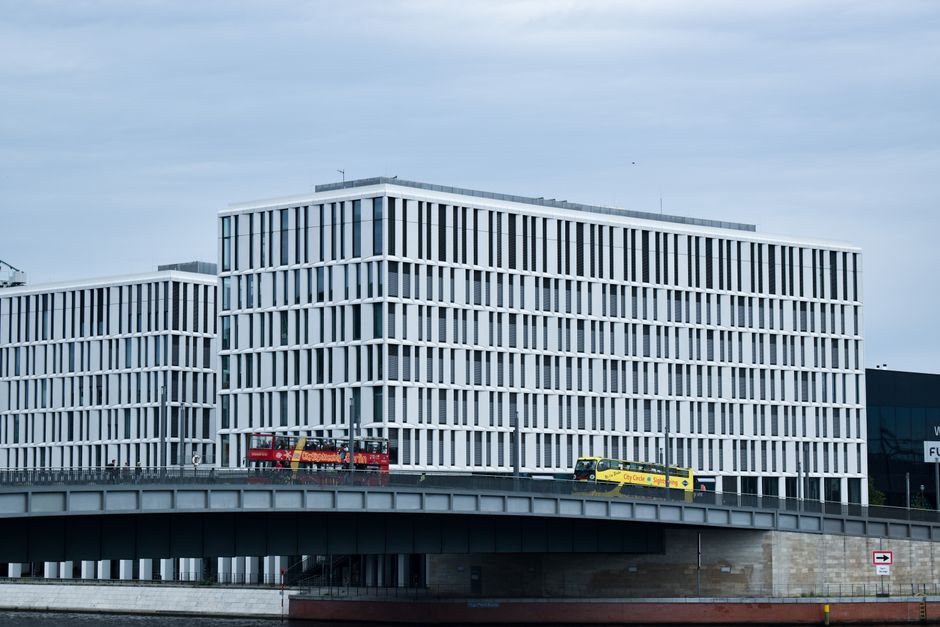
Walk down Friedrichstrasse on any weekday morning and you'll still see the young entrepreneurs clutching oat milk lattes, laptop bags slung across shoulders. But behind the polished façade of Berlin's startup ecosystem, a more sobering picture is emerging. After nearly a decade of explosive growth, the city's innovation districts are grappling with a convergence of challenges that threaten to dent the capital's image as Europe's entrepreneurial heartland.
The numbers tell a stark story. Venture capital funding to Berlin startups has contracted by 34 percent year-on-year, according to preliminary data from the Berlin startup association. Meanwhile, office rents in the heart of the startup belt—along Skalitzer Strasse in Kreuzberg and around the Mitte innovation hubs—have jumped 22 percent since 2024, straining the budgets of seed-stage companies still burning through early-stage capital.
"We're seeing founders making harder choices," says one venture investor familiar with the local scene, speaking on condition of anonymity due to ongoing fund negotiations. "Either consolidate headcount now or pack up for cheaper European cities."
The talent exodus compounds the problem. Berlin's historically attractive salaries—buoyed by the assumption of rapid growth—no longer compensate for rising living costs. Apartments in Friedrichshain and Neukölln that once rented for €800 monthly now command €1,200 or more. Several mid-stage startups have quietly relocated technical teams to Prague and Warsaw, where engineering costs run 30 to 40 percent lower.
The regulatory environment has tightened as well. New data protection frameworks and AI governance requirements—particularly stringent given Germany's federal oversight—have forced compliance teams onto payroll far earlier than founders anticipated. Small companies that might have outsourced these functions five years ago now must hire in-house expertise or face penalties.
Incubators and co-working spaces that once operated at near-capacity are reporting increased vacancy. WeWork-style operators in Tempelhof and around the Spree waterfront are renegotiating lease terms with landlords as member commitments decline. The vaunted community that made Berlin's startup scene magnetic seems fraying at the edges.
Yet all is not lost. A handful of exceptionally well-funded rounds—often led by strategic corporate investors from automotive and health-tech sectors—continue to emerge from the ecosystem. And Berlin's brand as a creativity and innovation hub retains pull for international talent seeking lifestyle alongside opportunity.
Still, 2026 has become a sorting year. The question is whether Berlin's startup culture proves resilient enough to weather genuine adversity, or whether the city's moment as a global innovation leader has already peaked.
This article was compiled by AI from the sources linked above and screened before publishing. See our editorial standards.
How does this story make you feel?
Spread the word
About this article
Published by The Daily Berlin
Daily brief
Free, in your inbox before 7am. Weekdays.
More in Business


