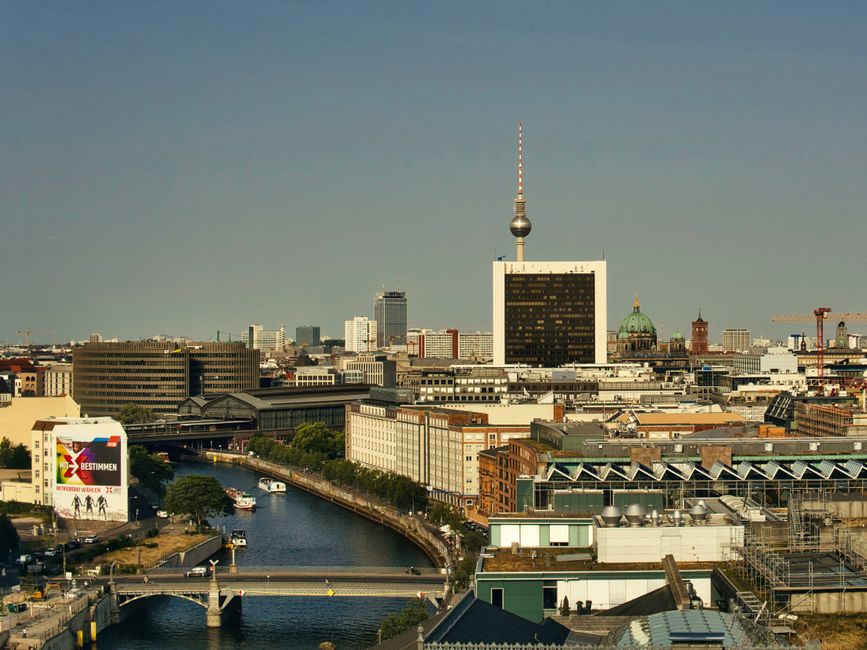
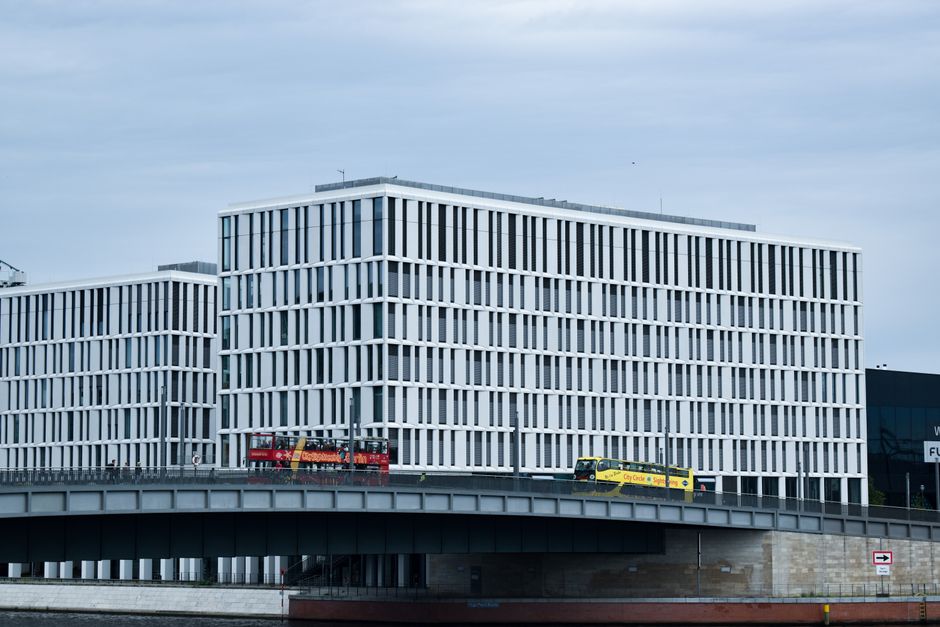
The gleaming office towers along the Landwehr Canal in Mitte tell a story of Berlin's ambitions as a global business centre. But inside those buildings, executives are grappling with an increasingly hostile trading environment that threatens to derail years of growth.
The headwinds are mounting. Tariff uncertainty has become the defining feature of 2026's commercial landscape, with unpredictable policy shifts from major trading blocs creating havoc for supply chain planners. Companies clustered in the Charlottenburg and Marzahn industrial parks—traditionally the backbone of Berlin's manufacturing sector—report that margin pressures have intensified sharply since early this year.
"The cost of doing business internationally has risen substantially," explains the Berlin Chamber of Commerce, which represents over 70,000 member firms across the metropolitan region. Their latest quarterly survey reveals that 64 per cent of export-oriented businesses cite trade policy uncertainty as their primary concern, surpassing even energy costs and labour shortages as top challenges.
Geopolitical fragmentation is accelerating the divergence of global markets. The emerging divide between Western and non-aligned trading blocs has forced many Berlin-based firms to reconsider decades-old supply relationships. Companies specialising in precision engineering, automotive components, and machinery—sectors worth roughly €28 billion annually to Berlin's economy—face difficult decisions about reshoring, nearshoring, or abandoning certain markets entirely.
The impact ripples through established business districts. At the Business Innovation Centre in Kreuzberg, smaller firms report that customers increasingly demand local production guarantees, fundamentally reshaping their operational models. One logistics firm operating from offices near Ostkreuz station notes that shipping costs to Asia have doubled compared to 2024 levels, while freight times have become unpredictable.
Regulatory fragmentation compounds these challenges. Different standards across trading blocs mean Berlin exporters must increasingly manufacture multiple variants of products, inflating costs and complexity. The pharmaceutical and medical device sectors, concentrated around the BioM cluster in the Südkreuz district, face particularly acute challenges as regulatory harmonisation efforts have stalled.
Yet some see opportunity within crisis. Companies investing in automation and domestic supply chain resilience report competitive advantages emerging. Berlin's robust startup ecosystem and research institutions are attracting investment in reshoring technologies and alternative supply chain solutions.
Still, the outlook for 2026 remains cautious. Business confidence indices for the Berlin region have retreated to levels last seen in 2020, suggesting executives expect continued turbulence ahead. The consensus among traders, manufacturers, and logistics providers is clear: this year will separate the adaptable from the vulnerable.
This article was compiled by AI from the sources linked above and screened before publishing. See our editorial standards.