Berlin's Finance Sector Battles Perfect Storm of Rising Costs and Capital Flight
As interest rates plateau and office rents soar, the city's investment managers and fintech firms face their toughest year since the pandemic.
As interest rates plateau and office rents soar, the city's investment managers and fintech firms face their toughest year since the pandemic.
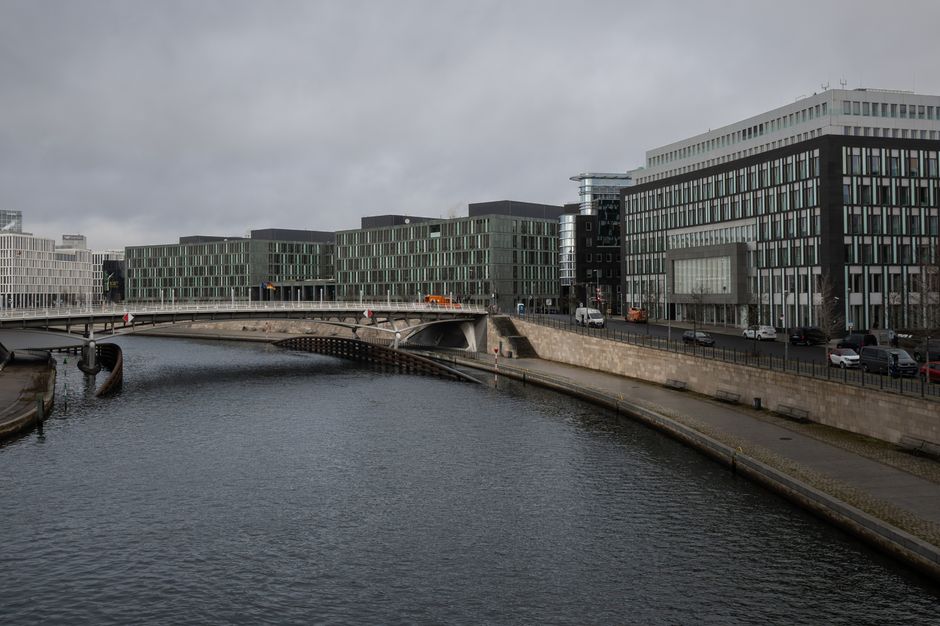
Berlin's once-booming financial services sector is hitting a wall. After years of expansion that transformed neighbourhoods from Mitte to Kreuzberg into hubs for venture capitalists and wealth managers, the industry now faces a convergence of headwinds that threaten profitability and talent retention across the city.
The mathematics are brutal. Office space in central Berlin has become prohibitively expensive. In the Mitte district, where dozens of investment firms have clustered around Checkpoint Charlie and Unter den Linden, rental rates have climbed to €35-40 per square metre annually—a 40 percent increase since 2022. Firms that locked in five-year leases at €18-22 per metre are now planning relocations to cheaper suburbs, fragmenting the ecosystem that made the city attractive in the first place.
Meanwhile, cost of living pressures are hollowing out junior talent pipelines. A junior analyst in Berlin now requires a salary of €50,000-55,000 to afford a one-bedroom apartment in Friedrichshain or Neukölln, where rents have reached €1,400-1,600 monthly. Senior portfolio managers earning €120,000-150,000 are increasingly considering Frankfurt, where financial sector salaries command a 25-30 percent premium despite similar living costs.
The funding environment compounds these pressures. With the European Central Bank holding rates steady and inflation-adjusted returns diminishing, institutional investors are becoming more cautious. Berlin's fintech sector, which raised €6.5 billion in 2021, received just €1.2 billion in disclosed funding through the first half of 2026. Firms like those housed in the Betahaus co-working space in Kreuzberg are consolidating or relocating to less competitive markets.
Commercial real estate investment trusts (REITs) have been hit particularly hard. The Bundesverband deutscher Banken reports that Berlin-focused property investment vehicles underperformed national benchmarks by 8-12 percentage points this year, deterring fresh capital commitments.
Some mitigation strategies are emerging. The Berlin Chamber of Commerce is lobbying for tax incentives to retain financial services employment. Smaller firms are gravitating toward co-working arrangements and serviced offices in emerging districts like Lichtenberg and Treptow, where costs remain 30-40 percent below Mitte levels. Yet observers acknowledge that Berlin's window as a cost-competitive financial centre may be closing.
The irony is sharp: the city's renaissance as a global business destination may ultimately price out the very sector that helped fuel its comeback.
This article was compiled by AI from the sources linked above and screened before publishing. See our editorial standards.
How does this story make you feel?
Spread the word
About this article
Published by The Daily Berlin
Daily brief
Free, in your inbox before 7am. Weekdays.
More in Business