Berlin's Cost-of-Living Squeeze Is Forcing a Talent ...
As rents soar and salaries stagnate, the city's once-magnetic appeal for young professionals is fading—reshaping how employers compete for workers.
As rents soar and salaries stagnate, the city's once-magnetic appeal for young professionals is fading—reshaping how employers compete for workers.
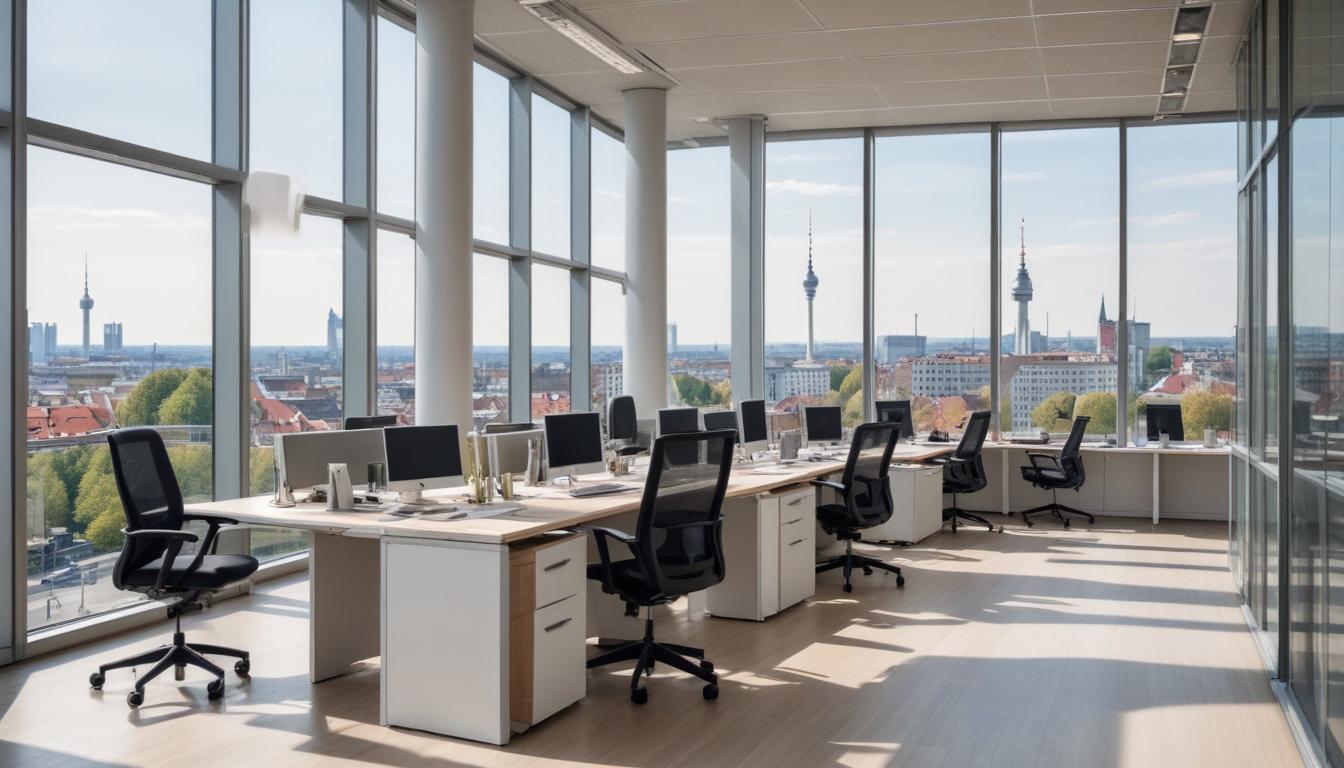
Walk along Kurfürstendamm or grab a coffee in Kreuzberg's RAW-Gelände, and you'll hear the same refrain from Berlin's workforce: the city is becoming unaffordable. What was once a bargain-basement European capital has transformed into something else entirely—and the job market is convulsing as a result.
The numbers tell a stark story. Average rents in Charlottenburg and Wilmersdorf have climbed past €15 per square metre, while Friedrichshain—long the neighbourhood of choice for young tech workers and creatives—now commands €12-14 per square metre. A one-bedroom apartment in these once-accessible areas routinely exceeds €1,200 monthly. Meanwhile, entry-level salaries in Berlin's tech and media sectors have barely budged, typically hovering around €2,500-3,000 gross per month.
The squeeze is triggering a visible shift in Berlin's talent pipeline. Recruiters across the city's major employment hubs—from the startup corridors around Mitte to established firms in Tempelhof—report increasing difficulty attracting and retaining junior staff. Young professionals who once viewed Berlin as a lifestyle investment are now running calculations that simply don't work. A graphic designer or junior software engineer, after accounting for rent, transport, and utilities, finds themselves financially precarious in ways that weren't true five years ago.
Companies are responding in two ways, neither ideal. Some are raising salaries—a trend most acute in tech and finance sectors—but doing so grudgingly and only after turnover spikes. Others are quietly shifting hiring strategies, recruiting remotely from cheaper German cities like Leipzig or even Eastern Europe, then requiring periodic office presence in Berlin. A few larger organisations have begun experimenting with remote-first models or secondary offices in Brandenburg satellite towns.
The long-term implications are troubling. Berlin's competitive advantage has always rested on attracting talent willing to trade lower pay for lifestyle and opportunity. That bargain is dissolving. The city risks becoming a place where only the already-wealthy, the subsidised (those with family support), or corporate transfers can comfortably live—essentially hollowing out the diverse, ambitious middle that built its creative and entrepreneurial reputation.
For now, Berlin's businesses are adapting tactically rather than strategically. But if cost-of-living pressures don't ease, the city's next chapter may look very different from the last—a transformed labour market where affordability, not creativity, becomes the limiting factor.
This article was compiled by AI from the sources linked above and screened before publishing. See our editorial standards.
How does this story make you feel?
Spread the word
About this article
Published by The Daily Berlin
Daily brief
Free, in your inbox before 7am. Weekdays.
More in Business


