Berlin's Tourism Market Shifts: What Hospitality Businesses Must Know Right Now
Post-pandemic recovery patterns are fragmenting—luxury venues thrive while mid-market operators face margin pressure as traveller preferences realign across the city.
Post-pandemic recovery patterns are fragmenting—luxury venues thrive while mid-market operators face margin pressure as traveller preferences realign across the city.
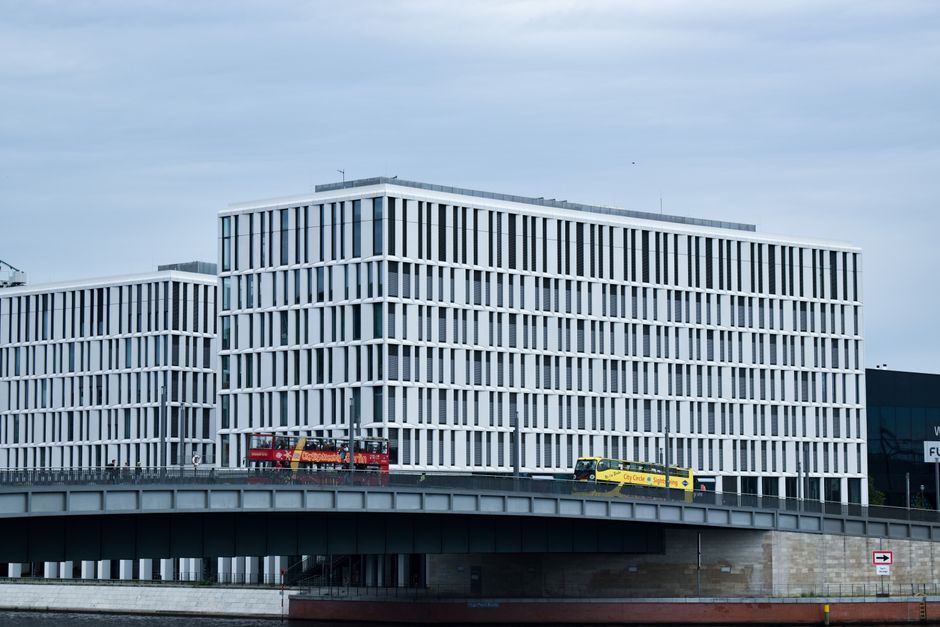
Berlin's tourism sector is experiencing a paradoxical recovery in mid-2026. While headline visitor numbers to the capital have stabilised around 13 million annually—comparable to pre-pandemic figures—the composition of those visitors, their spending patterns, and where they concentrate have shifted in ways that demand urgent strategic recalibration from hospitality operators.
The divergence is starkest in accommodation. Five-star properties along Unter den Linden and around the Reichstag are reporting occupancy rates above 85%, with nightly rates for premium suites reaching €450–€600. Conversely, three-star hotels in Mitte and Friedrichshain report occupancy hovering around 68%, forcing operators to compete aggressively on price. Average daily rates (ADR) at mid-market establishments have compressed by roughly 12% since 2023, according to industry observers tracking the STR Hotel Index for Germany's capital.
What explains this split? High-net-worth travellers—particularly from Asia and the Gulf—have returned with vigour, drawn by Berlin's cultural institutions, shopping on Kurfürstendamm, and Michelin-starred dining clusters. They're spending 40% more per visit than comparable cohorts in 2019. Mass-market leisure tourists, conversely, are more price-conscious post-inflation, extending stays but budgeting tighter daily expenditure. The result: restaurants in Kreuzberg and Prenzlauer Berg report foot traffic up 18% year-on-year, but average cheques are down 8%.
Venue operators say the real pinch comes from labour costs. Hotel staff wages in Berlin have risen approximately 22% since 2023, reflecting sector-wide recruitment challenges. For three-star operators with thinner margins, this creates structural pressure. Several properties near Alexanderplatz have responded by reducing housekeeping frequency and limiting front-desk hours, a strategy that risks guest satisfaction in an oversupplied market.
The day-trip economy is reshaping foot traffic patterns too. Berlin's museums and galleries—including the Pergamon Museum complex and the Neues Museum—are seeing visit peaks concentrated in morning and early-afternoon hours, with visitor numbers swelling 35% on weekends. This has benefited quick-service venues and pop-up cafés in Museum Island precincts but hollowed out evening hospitality spend in those zones.
For businesses adapting now, the message is clear: premium positioning and operational efficiency are becoming the viable poles. Mid-market operators who cannot access scale economies are testing niche strategies—boutique hotels targeting remote workers (who stay longer but pay less per night), and experiential dining concepts that justify higher prices through differentiation. Those relying on volume and geographic convenience face a narrowing runway.
This article was compiled by AI from the sources linked above and screened before publishing. See our editorial standards.
How does this story make you feel?
Spread the word
About this article
Published by The Daily Berlin
Daily brief
Free, in your inbox before 7am. Weekdays.
More in Business


