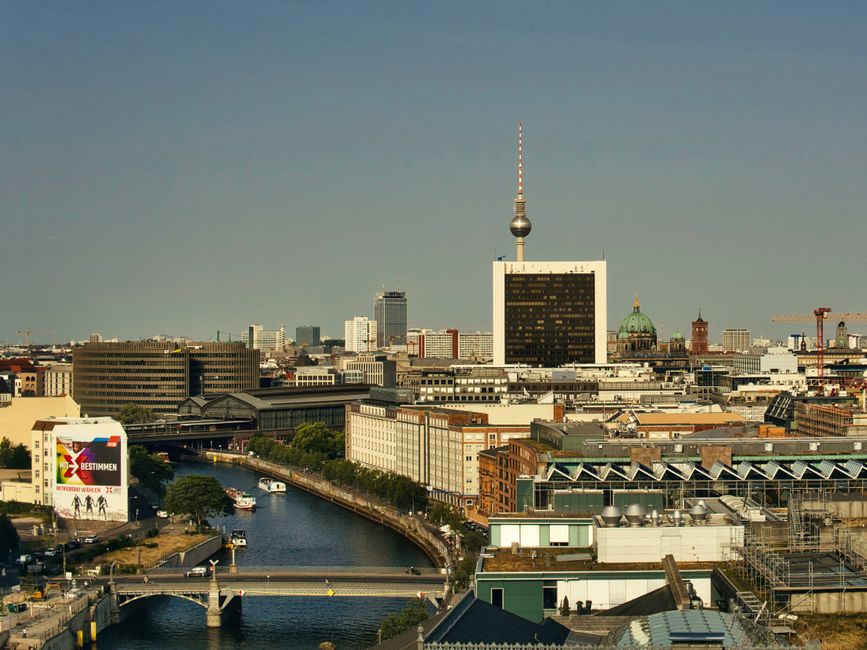
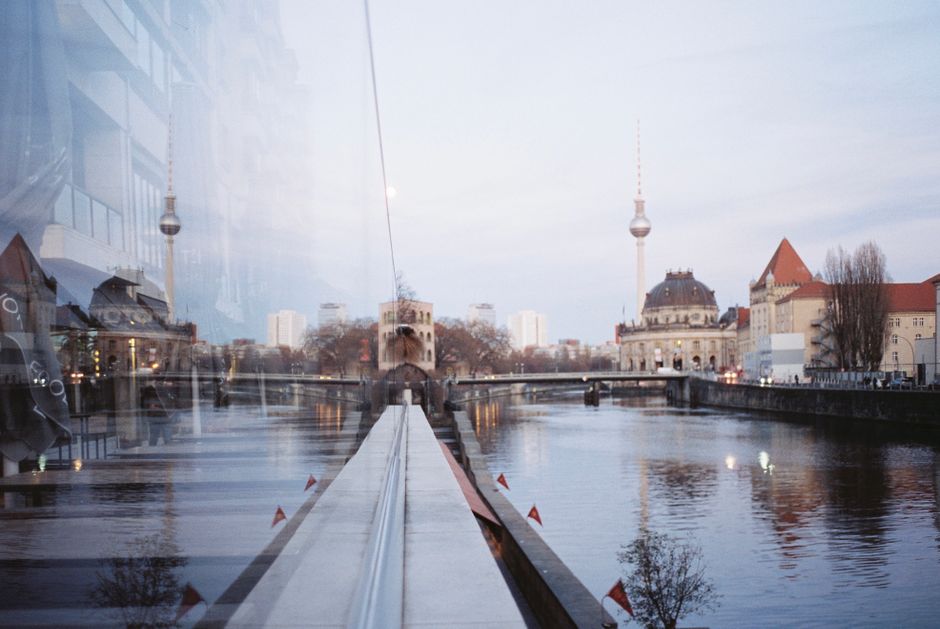
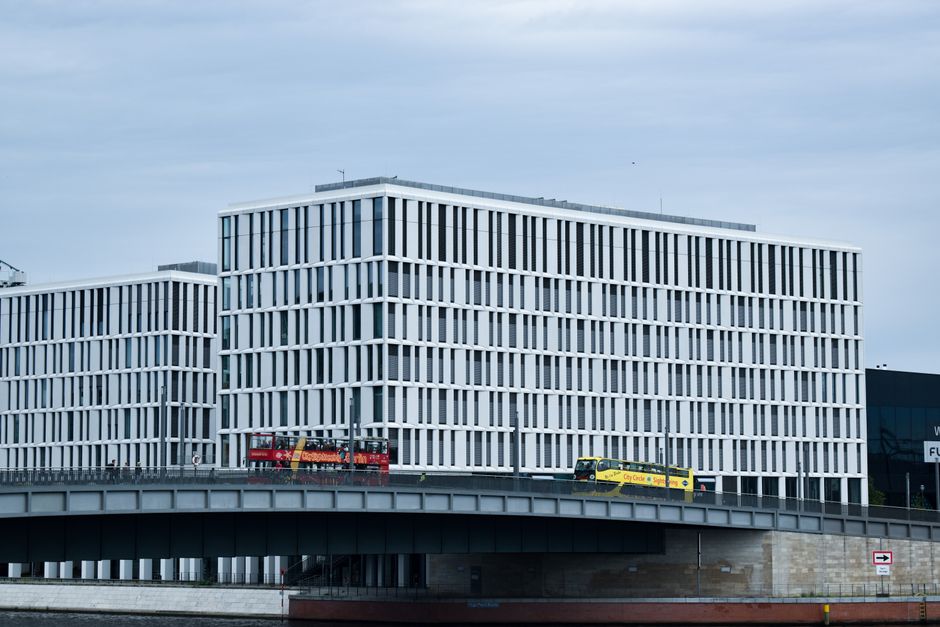
Berlin's commercial property market has long thrived on the city's reputation as a stable, creative hub for international business. But as geopolitical tensions escalate across the Middle East, Africa, and the United States, real estate professionals warn that the capital's office sector is entering uncharted territory. The question facing landlords and corporate tenants alike is no longer simply about square metres and rent—it's about whether Berlin remains a safe bet for global capital.
Recent months have seen a measurable shift in tenant behaviour. Tech companies and consulting firms that once anchored themselves in gleaming new developments around Europaplatz and along the Spree are now requesting more flexible lease terms. "We're seeing increased interest in shorter contract periods," says market analysis from the Berlin Chamber of Commerce, which tracks office absorption rates across the city's premium districts. Average asking rents in Mitte have held relatively steady at €28–32 per square metre annually, but transaction volumes have softened by roughly 12 percent compared to the same period last year.
The broader picture is stark. Multinational corporations are consolidating their European operations and reassessing which cities justify sustained investment. Uncertainty over trade flows, sanctions regimes, and supply chain stability has made landlords and tenants more cautious. German energy companies, which typically occupy significant space in business parks around the Kurfürstendamm corridor, are delaying expansion decisions. Meanwhile, financial services firms—traditionally significant occupiers in Charlottenburg and along the Landwehr Canal—are pausing new office commitments pending clarity on regulatory frameworks.
For Berlin specifically, the headwind is particularly acute. Unlike Frankfurt, which benefits from eurozone banking infrastructure, or Munich, which anchors itself to automotive excellence, Berlin's appeal has long rested on political stability and cultural magnetism. Both assets feel more fragile in an era of nuclear brinksmanship and geopolitical fragmentation.
Commercial agents report that American and Middle Eastern investors—historically reliable sources of capital for speculative office development—are adopting a wait-and-see stance. One consequence: several planned office conversions in Kreuzberg and Friedrichshain have been postponed. Residential development, by contrast, continues to absorb capital, reflecting investor preference for essential asset classes over discretionary corporate space.
Berlin's office market is unlikely to collapse. The city's infrastructure, talent pool, and regulatory environment remain competitive. But the days of unchecked expansion appear to be ending. Smart money is retreating to shorter leases, premium locations, and flexible arrangements—a rational response to a world that feels fundamentally less predictable than it did even two years ago.
This article was compiled by AI from the sources linked above and screened before publishing. See our editorial standards.