As Global Tensions Rise, Berlin's Trade Hub Faces New Headwinds
Escalating geopolitical conflicts are reshaping supply chains and forcing businesses across the city to rethink their international strategies.
Escalating geopolitical conflicts are reshaping supply chains and forcing businesses across the city to rethink their international strategies.
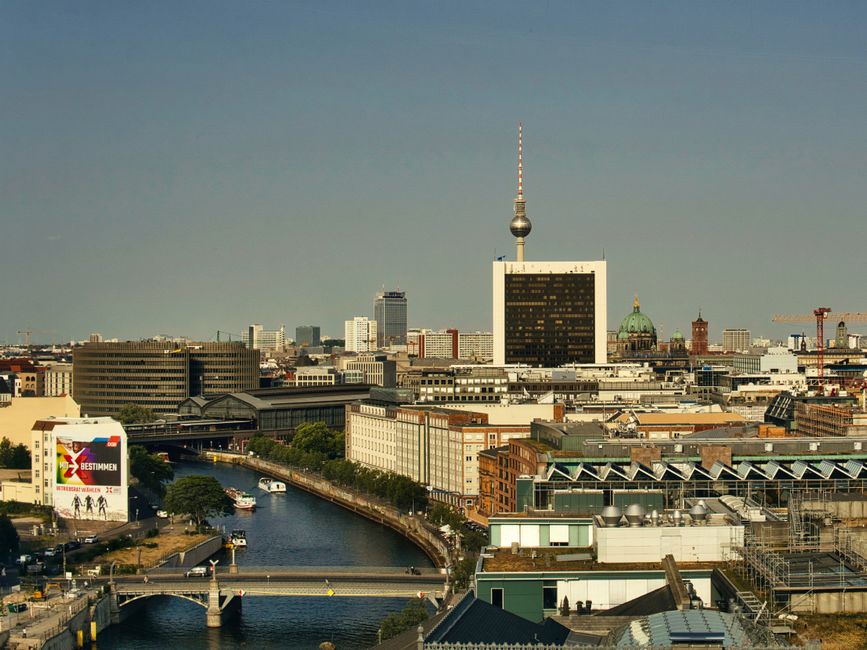
Walk through the Friedrichshain logistics district on any given morning, and you'll see the machinery of global commerce at work: container trucks, forwarding agents coordinating shipments, and business owners tracking their inventory across continents. But the steady hum of international trade that has powered Berlin's post-reunification economy faces mounting pressure from a world increasingly fractured by regional conflicts and shifting alliances.
The latest round of geopolitical instability—from renewed tensions in the Middle East to military escalations across multiple continents—is hitting Berlin's business community where it counts: in their supply chains and bottom lines. According to the Berlin Chamber of Commerce, nearly 62% of mid-sized manufacturing firms in the city now report delays in sourcing components from the Middle East and South Asia, up from 41% just twelve months ago.
For companies clustered around the Tempelhofer Feld business parks and along the Spree's industrial waterfront, the implications are immediate. A automotive parts supplier based in Köpenick reported that shipping costs to Iranian ports have nearly tripled due to insurance premiums and rerouting requirements. Meanwhile, textile importers operating from warehouse complexes in Lichtenberg are facing unpredictable delays, with some containers sitting in transit for three weeks longer than scheduled.
The ramifications extend beyond logistics. Berlin's fintech sector—concentrated in hubs like Mitte and Kreuzberg—is grappling with payment processing complications. Several companies report that correspondent banking relationships with firms in affected regions have become increasingly complicated, making cross-border transactions slower and more expensive.
Yet Berlin's business community is adapting. German Chamber of Commerce representatives note a shift toward nearshoring strategies, with some firms exploring production partnerships within the EU to reduce dependency on distant supply lines. The city's established reputation as Europe's startup hub means younger companies are designing supply chain resilience into their business models from day one.
The broader lesson is unmistakable: Berlin's global business success has always depended on stable international systems. As those systems face mounting strain, the city's entrepreneurs and established firms must navigate an increasingly complex landscape. For now, the engines of Berlin commerce continue running—but many are recalibrating their routes.
This article was compiled by AI from the sources linked above and screened before publishing. See our editorial standards.
How does this story make you feel?
Spread the word
About this article
Published by The Daily Berlin
Daily brief
Free, in your inbox before 7am. Weekdays.
More in Business