Berlin's Investment Climate Faces a Perfect Storm of Headwinds in 2026
Rising operational costs, regulatory tightening, and geopolitical volatility are testing the resilience of the city's once-booming fintech and venture capital sectors.
Rising operational costs, regulatory tightening, and geopolitical volatility are testing the resilience of the city's once-booming fintech and venture capital sectors.
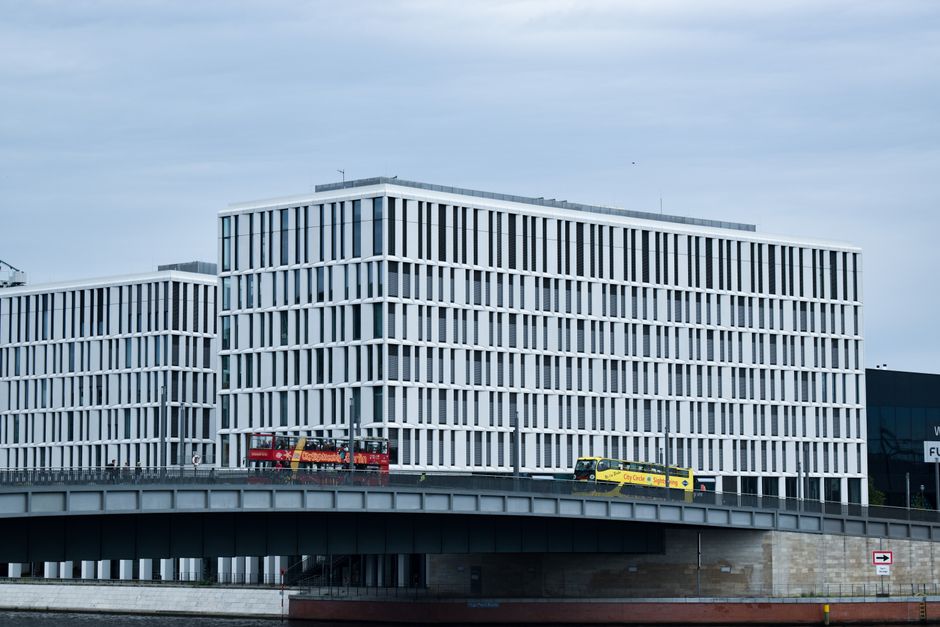
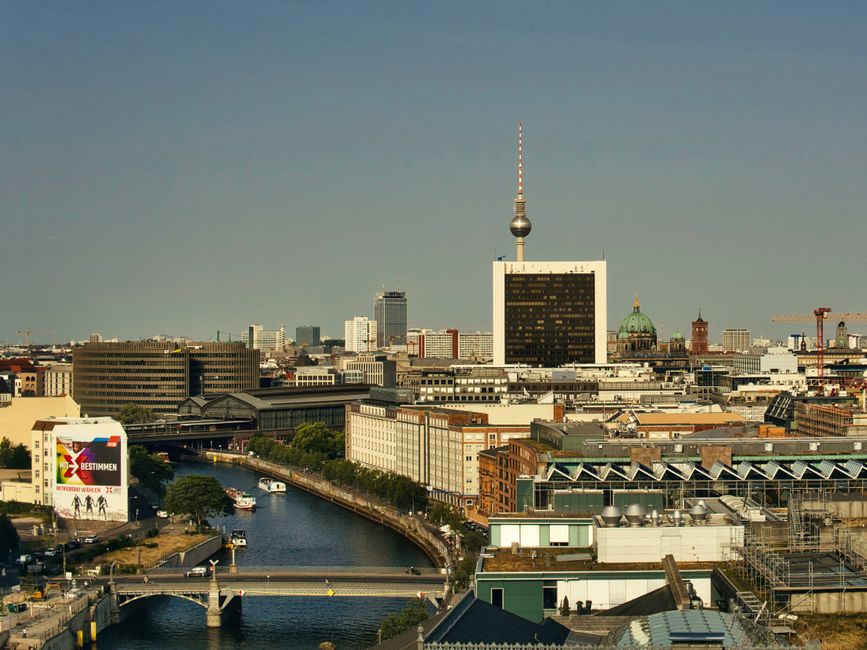
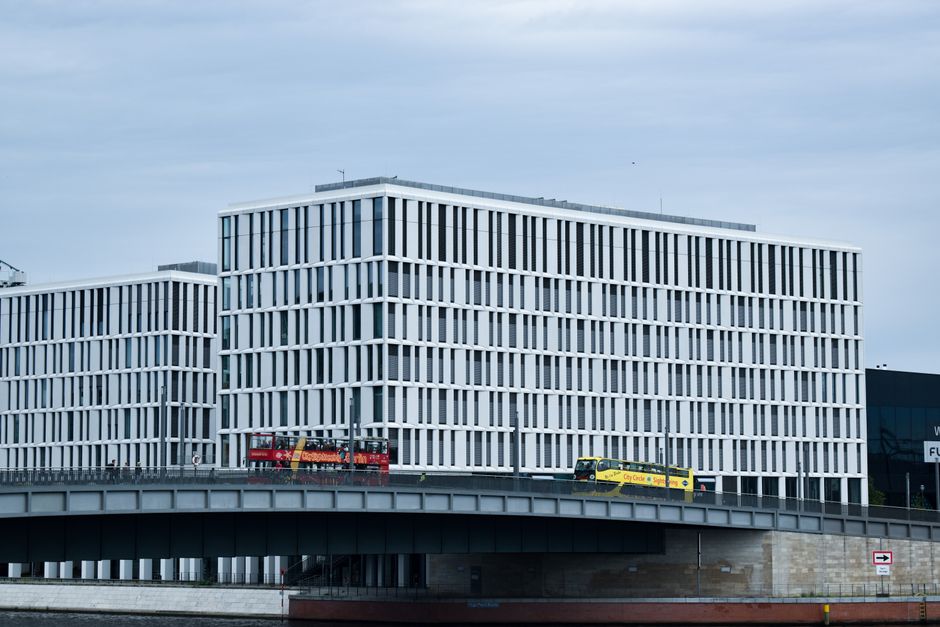
Berlin's gleaming office towers along the Kurfürstendamm and the sprawling tech campuses in Kreuzberg tell a story of ambition. But behind the glass facades, investment professionals and startup founders are grappling with a convergence of economic pressures that threaten to derail years of growth momentum.
The numbers paint a sobering picture. Office rents in sought-after neighbourhoods like Mitte and Charlottenburg have climbed 8-12 per cent year-on-year, while operational costs for mid-sized venture firms have surged by nearly 15 per cent since early 2025. For a city that built its reputation on affordable startup ecosystems, the affordability narrative is fracturing.
At the same time, regulatory headwinds are mounting. New EU capital requirements for institutional investors, coupled with stricter German banking oversight following recent instability in European credit markets, have compressed margins for investment advisory firms clustered around the Potsdamer Platz financial district. Several boutique investment houses have quietly consolidated or relocated operations to Frankfurt, citing compliance costs.
"Berlin's competitiveness as a financial hub depends on agility," explains one senior analyst at a prominent advisory firm, "but regulators are making agility expensive."
Geopolitical tension adds another layer of uncertainty. The ongoing strain between Western powers and Iran—with potential implications for energy prices and commodity markets—has triggered volatility that unnerves institutional investors. Simultaneously, corporate defaults in Eastern Europe have spooked fund managers who've long viewed the region as a growth frontier. Several Berlin-based private equity firms have quietly pulled back from emerging market allocations.
Consumer-facing costs are another squeeze point. Residential property values in gentrifying areas like Friedrichshain and Neukölln, long targets for investor interest, have stalled. Young professionals—traditionally the lifeblood of Berlin's investment talent pool—are reconsidering whether the city remains affordable. Starter flats that commanded €350,000 two years ago now languish longer on the market.
Yet there are pockets of resilience. ESG-focused investment vehicles and climate tech funds continue attracting capital. The Berlin-based infrastructure investment sector, bolstered by European green transition mandates, remains reasonably robust.
As 2026 unfolds, Berlin's investment ecosystem faces a critical test: whether it can navigate cost inflation, regulatory complexity, and geopolitical risk without losing the entrepreneurial edge that made it Europe's most exciting financial centre outside traditional hubs. The answer will define whether the next generation of Berlin's investors thrive or migrate elsewhere.
This article was compiled by AI from the sources linked above and screened before publishing. See our editorial standards.
How does this story make you feel?
Spread the word
About this article
Published by The Daily Berlin
Daily brief
Free, in your inbox before 7am. Weekdays.
More in Business