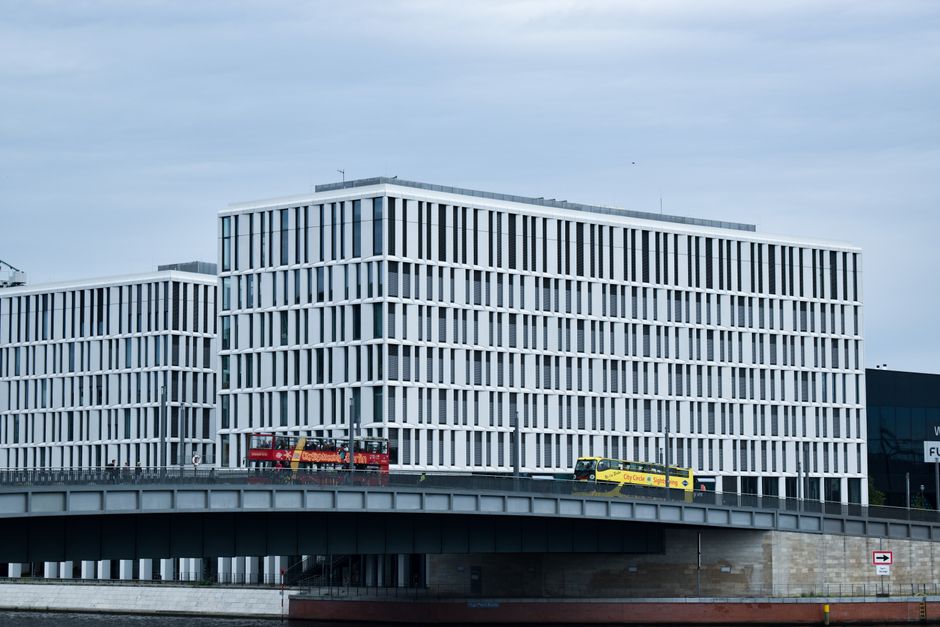
Walking down Kurfürstendamm or browsing the side streets of Prenzlauer Berg, you've probably noticed them: shuttered shop windows, "To Let" signs gathering dust, entire office floors sitting empty. Berlin's commercial property market is in freefall, and while it might seem like a distant concern for renters and residents, the reality is that this downturn is reshaping your city in ways that directly affect your wallet and daily life.
The numbers tell a stark story. Berlin's office vacancy rate has climbed to approximately 12 percent, the highest in a decade, with average asking rents for commercial space down roughly 8 percent year-on-year. Major developments in Mitte and along the Landwehr Canal—once hotspots for tech startups and creative enterprises—are now struggling to attract tenants. Meanwhile, residential rents have continued their upward march, currently averaging €15.50 per square metre across the city, according to recent market data.
Here's the connection: when commercial landlords can't fill office space, they raise residential rents to compensate for lost income. Property owners who invested heavily in mixed-use developments now face a squeeze, and they pass those losses onto residential tenants. It's a cycle that disproportionately affects neighbourhoods like Kreuzberg and Friedrichshain, where live-work spaces and affordable commercial zones have historically anchored affordability.
The high street is suffering too. Retailers struggling to pay commercial rents—some exceeding €200 per square metre annually in prime locations—are closing shop. Family-run bakeries, independent bookstores, and local restaurants that depend on foot traffic are vanishing, replaced by vacant storefronts or temporary pop-ups. This hollows out neighbourhood character and forces residents to travel further for everyday needs.
For Berliners considering starting a business, the downturn presents a rare silver lining: landlords are increasingly willing to negotiate, offer rent holidays, or accept longer lease terms in exchange for occupancy. Spaces in developing areas like Lichtenberg or Wedding remain comparatively affordable.
The broader lesson: Berlin's commercial property crisis isn't just a real estate story. It's reshaping where you shop, how much you pay for housing, and whether your neighbourhood retains its independent character. As the city navigates this transition, paying attention to these market shifts helps you understand the forces quietly restructuring your city. The office buildings standing empty today are determining the Berlin of tomorrow.
This article was compiled by AI from the sources linked above and screened before publishing. See our editorial standards.