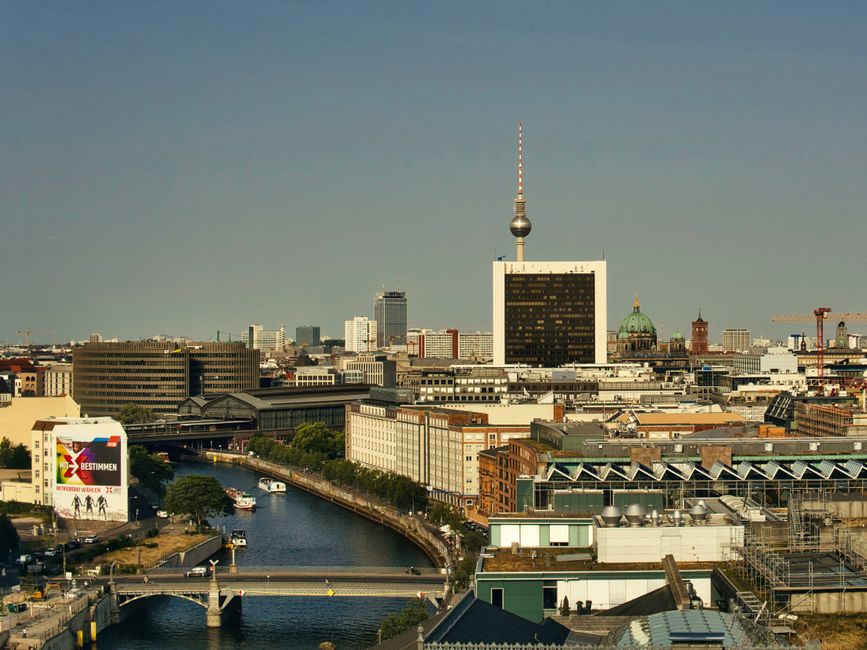
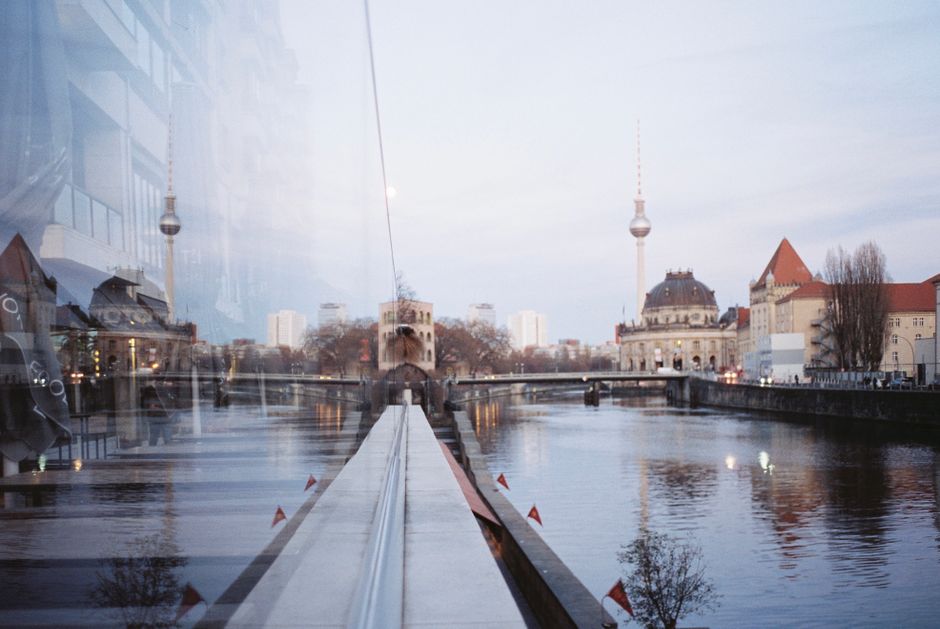
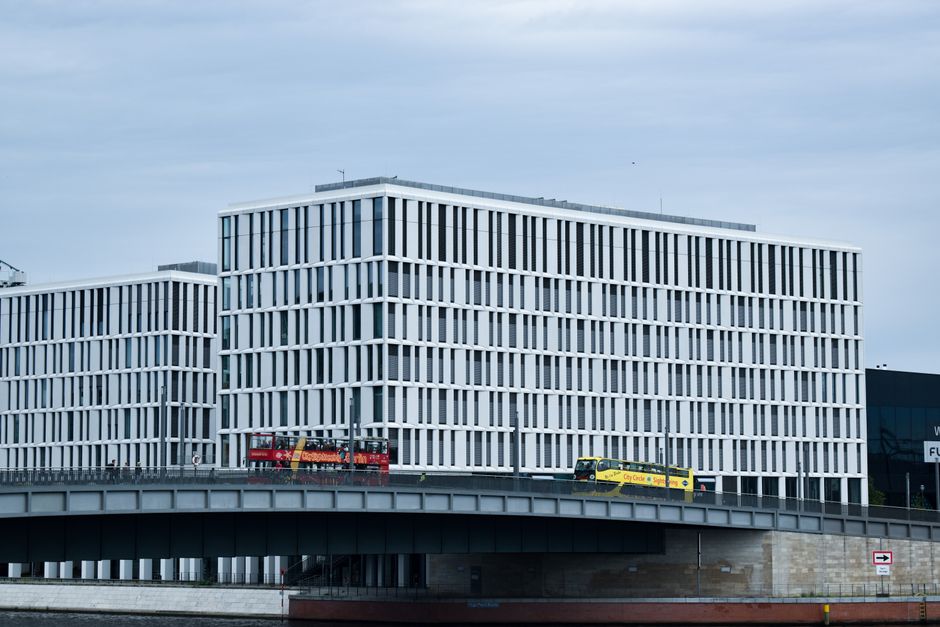
The Berlin office market is undergoing its most significant transformation in a decade. Post-pandemic demand has fractured traditional corporate leasing patterns, with employers seeking flexibility over long-term commitments and workers demanding proximity to Berlin's cultural amenities. Into this uncertainty steps one of the city's most ambitious commercial property entrepreneurs, whose recent acquisitions and renovations in Mitte are reshaping how Berlin's businesses think about their physical workspace.
Across Friedrichstrasse and the surrounding Mitte district—where average office rents have climbed to €18-22 per square metre annually—commercial real estate has shifted decidedly toward adaptive reuse. The trend away from monolithic office towers toward mixed-use, neighbourhood-integrated spaces reflects both practical necessity and genuine market demand. Berlin's tech and creative sectors, which account for roughly 35 per cent of new office leasing activity, increasingly favour locations where employees can transition seamlessly between work, dining, and cultural venues.
The developer in question has positioned himself at the centre of this transition, acquiring several underutilised properties along Torstrasse and in the Weinmeisterstrasse quarter—areas that were considered secondary office markets just three years ago. His approach diverges markedly from conventional Berlin property development. Rather than maximising rentable square metres, projects have incorporated ground-floor retail, resident-accessible courtyards, and flexible unit configurations designed for companies of 10 to 500 employees. This philosophy has attracted interest from scaling startups and established firms alike, with occupancy rates across completed projects exceeding 92 per cent.
The financials tell a compelling story. While prime office space near Alexanderplatz commands premium rates, Mitte's secondary corridors remain comparatively accessible to mid-market companies—a strategic advantage as Berlin competes with Frankfurt and Munich for corporate relocations. Recent completions have achieved triple-digit percentage markups on acquisition costs within 18-24 months, driving renewed investor interest in Berlin's commercial property sector.
Industry observers note that Berlin's office market faces headwinds: remote work normalisation persists, and European economic uncertainty has tempered expansion plans. Yet the developer's success suggests a viable path forward—one that treats offices not as interchangeable commodities but as community anchors integrated into Berlin's distinctive urban fabric. As the city positions itself for the next investment cycle, his portfolio demonstrates that understanding local context, demographic shifts, and neighbourhood identity remains the surest formula for commercial success in Berlin's competitive property landscape.
This article was compiled by AI from the sources linked above and screened before publishing. See our editorial standards.