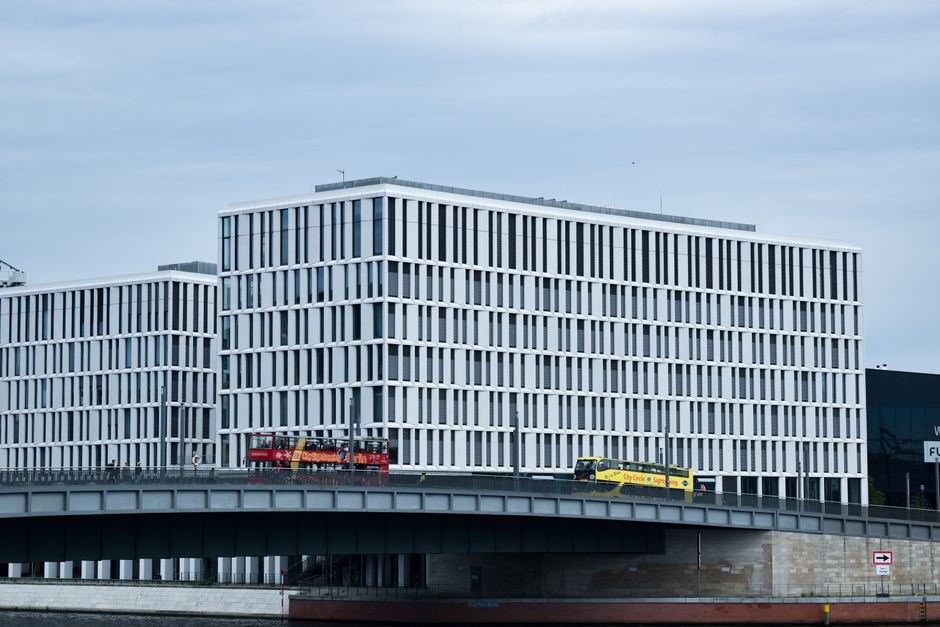
Berlin's economic story in mid-2026 reads like two competing narratives. On one hand, venture capital deployment into the city's sprawling tech corridor—stretching from Kreuzberg's startup hubs to the corporate campuses in Charlottenburg—hit €2.8 billion in the first half of this year, a 34% increase year-on-year. Yet simultaneously, the average one-bedroom apartment in Prenzlauer Berg now rents for €1,450 monthly, up from €980 just three years ago. Understanding these divergent signals requires parsing what economists call "capital inflows" and their relationship to cost-of-living pressures.
Investment flows into Berlin operate at multiple levels. Direct foreign investment—typically from American and Asian technology firms establishing European headquarters—signals confidence in the city's innovation ecosystem. The Bundesbank's latest regional data shows Berlin attracting 12% of Germany's total FDI, despite representing only 3.5% of the national population. This capital seeks returns through growth, not immediate dividends, which explains why companies like SoundCloud and N26 chose Berlin over Frankfurt's banking establishment.
But here's where indicators diverge from lived experience. While GDP growth in the Berlin-Brandenburg region hovers around 2.1% annually—respectable by German standards—wage growth barely tracks inflation. The German statistical office (Destatis) reports that real wages for Berlin service-sector workers declined 1.8% between 2024 and 2026, even as consumer price inflation hit 4.3% year-on-year. The culprit: housing costs now consume 38% of median household income across the city, versus the sustainable 30% threshold economists recommend.
This disconnect matters because investment flows and cost-of-living pressures operate through different channels. When foreign capital targets Berlin's renewable energy sector or software development, it creates high-wage jobs—but primarily for skilled workers with university degrees. Meanwhile, entry-level positions in hospitality, retail, and care work—which employ roughly 40% of Berlin's workforce—see minimal wage pressure despite overall investment growth.
Real estate investment deserves particular scrutiny. Institutional investors now control approximately 22% of Berlin's rental housing stock, up from 15% five years ago. These investors pursue steady returns through rental income, driving property acquisition in neighbourhoods like Friedrichshain and Neukölln. The mechanism is straightforward: capital seeks yield, landlords raise rents, residents—especially those earning median incomes—face displacement pressure.
The takeaway for Berliners: robust investment flows coexist with squeezed household budgets because not all capital creates broad-based prosperity. Monitoring both indicators—investment deployment and real wage growth—offers a more complete picture than headlines celebrating Berlin's startup scene alone.
This article was compiled by AI from the sources linked above and screened before publishing. See our editorial standards.