Berlin's Small Business Owners Face Perfect Storm of Rising Costs and Shrinking Consumer Spending
From Kreuzberg cafés to Charlottenburg startups, entrepreneurs report their toughest year yet as energy bills, rent, and weak demand squeeze margins.
From Kreuzberg cafés to Charlottenburg startups, entrepreneurs report their toughest year yet as energy bills, rent, and weak demand squeeze margins.
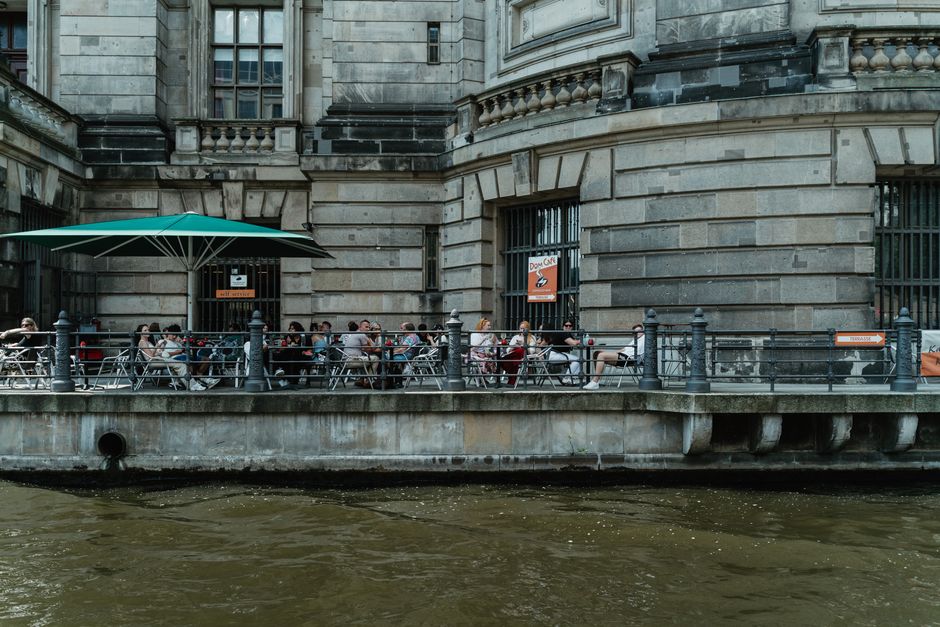
Walk down Mehringdamm on a Tuesday afternoon and you'll see the strain etched into the faces of shop owners sweeping their storefronts. Berlin's small business sector, long celebrated as the creative engine of Europe's most dynamic city, is hitting a wall in 2026. The combination of stubbornly high operating costs, anaemic consumer demand, and a credit market still nervous post-2024, has created the worst trading environment for independent entrepreneurs in nearly a decade.
Energy costs remain the thorniest problem. While inflation has cooled nationally, Berlin's business owners report electricity bills 40-50% higher than five years ago. A mid-sized restaurant operator in Prenzlauer Berg, managing three locations, now dedicates nearly 18% of gross revenue to energy alone—double the 9% industry baseline from pre-pandemic years. "We've invested in LED lighting and efficient heating," one venue owner noted privately. "But there's a ceiling to how much you can optimise."
Rent pressures compound the squeeze. Commercial space in sought-after neighbourhoods like Friedrichshain and Neukölln has stabilised after years of rapid growth, but at historically elevated levels. A modest 80-square-metre retail unit on Kurfürstendamm now commands €2,200-2,800 monthly—pricing out boutique operators who built Berlin's reputation for independent retail culture.
The German Chamber of Commerce and Industry (DIHK) reported last week that 34% of Berlin's small and medium-sized enterprises expect revenue declines this year, the highest share since 2009. Consumer spending has softened as households face their own pressures. Foot traffic in shopping districts is down roughly 12% compared to 2024, according to retail analytics firms tracking the city centre.
Access to capital remains fraught. Banks have tightened lending criteria, and venture capital—historically plentiful in Berlin's tech scene—has become more selective. Startups in Mitte and Charlottenburg report funding rounds taking 40% longer to close than two years ago, if they close at all.
Some operators are adapting: diversifying revenue streams, cutting discretionary costs, and forming buying cooperatives to negotiate better supplier rates. Community business networks in Charlottenburg and Spandau report record membership. But adaptation has limits. The Berlin Chamber of Commerce warns that 8-12% of the city's independent businesses may not survive the next 18 months without intervention.
For a city built on entrepreneurial optimism, the mood has turned cautious.
This article was compiled by AI from the sources linked above and screened before publishing. See our editorial standards.
How does this story make you feel?
Spread the word
About this article
Published by The Daily Berlin
Daily brief
Free, in your inbox before 7am. Weekdays.
More in Business