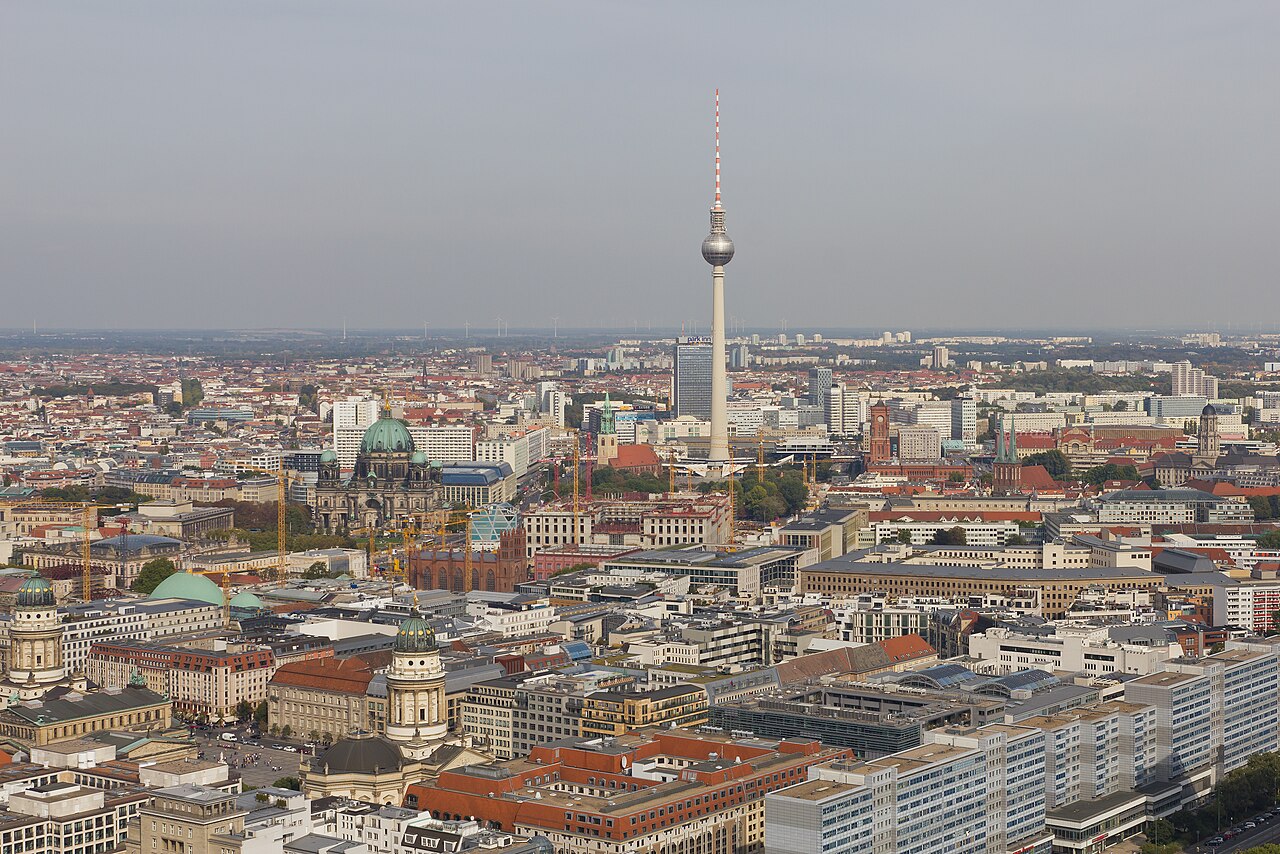
Berlin welcomed 3.9 million overnight visitors last year, according to visitBerlin data—a 12% increase from 2024. That sounds like good news for hotels and restaurants. But for people who actually live here, the surge in tourism is creating very real consequences that go far beyond Instagram photos at the Brandenburg Gate.
The most visible impact is housing. Neighbourhoods once defined by their local character are rapidly transforming into tourism zones. In Kreuzberg and Friedrichshain, average rents have climbed roughly 8-10% annually over the past three years, driven partly by conversion of long-term apartments into short-term holiday rentals. A two-bedroom flat on Kottbusser Damm that rented for €1,100 in 2022 now commands €1,400. That's not coincidence—it's economics. Property owners recognise they can earn 30-40% more by hosting tourists through platforms like Airbnb than renting to Berliners.
Daily life has become measurably more crowded. The U6 line during peak summer months carries roughly 15% more passengers than winter, straining a system already running near capacity. Cafés on Bergmannstraße in Kreuzberg and around Boxhagener Platz in Friedrichshain report that locals often avoid peak hours because tourist groups occupy most tables. Retail spaces are changing too—independent shops on Oranienstraße are increasingly replaced by souvenir outlets and chain restaurants targeting visitors.
But there's a counterargument worth understanding. Tourism generates €17 billion annually for Berlin's economy and supports roughly 180,000 jobs across hospitality, transport, retail, and cultural sectors. The Deutsches Technikmuseum, Pergamonmuseum, and Memorial to the Murdered Jews of Europe collectively receive over 5 million visits yearly, funding restoration and educational programmes that serve residents too.
For everyday Berliners, the key is recognising this isn't a simple problem with one solution. City planners are now implementing targeted regulations—Berlin introduced stricter short-term rental licensing in 2024, and districts like Mitte have capped new tourism accommodation. Meanwhile, locals increasingly navigate a dual city: tourist zones concentrated around Mitte, Charlottenburg, and along the Spree, and residential neighbourhoods that remain relatively insulated.
Understanding the tourism economy isn't about loving or hating visitors. It's about recognising that your commute times, housing costs, and neighbourhood character are directly tied to visitor numbers. As Berlin continues competing with Paris, Barcelona, and Amsterdam for international travellers, residents deserve clarity about what that competition actually costs them locally.
This article was compiled by AI and screened before publishing. See our editorial standards.