Berlin's Tourism Boom is Rewriting the City's Employment Landscape
As visitor numbers surge past pre-pandemic levels, hospitality and cultural sectors are reshaping what it means to work in the capital—and who can afford to live here.
As visitor numbers surge past pre-pandemic levels, hospitality and cultural sectors are reshaping what it means to work in the capital—and who can afford to live here.
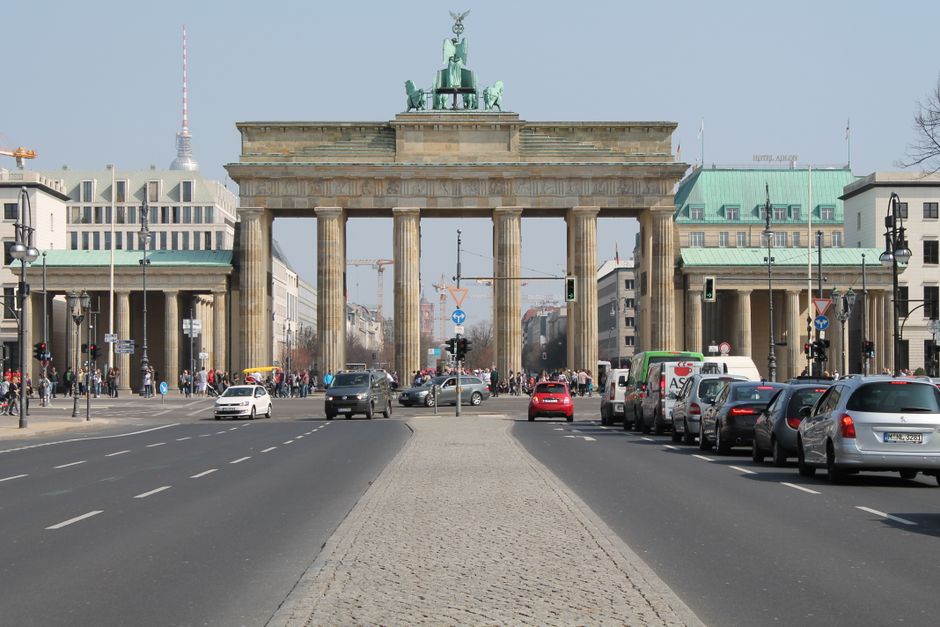
Berlin's visitor economy has become a dominant force in reshaping the city's labour market in ways that extend far beyond hotel check-ins and restaurant reservations. With international arrivals approaching 13 million annually—a figure not seen before 2020—the hospitality, cultural, and leisure sectors are now competing aggressively for talent, driving up wages in some areas while creating precarious employment patterns in others.
The impact is most visible in neighbourhoods like Kreuzberg, Friedrichshain, and around Museum Island, where tourism infrastructure has exploded. Hotels, hostels, and boutique accommodations have multiplied, with establishments like those clustered along the Spree riverside now employing thousands of workers across housekeeping, front-desk, and management roles. Yet these jobs rarely offer stability. Most positions remain seasonal or part-time, with wage levels hovering around €12-15 per hour—barely above minimum wage for a city where rental prices in central districts now exceed €1,200 monthly for modest one-bedroom flats.
The talent drain has become acute. Skilled hospitality professionals—chefs, event coordinators, sommelier-level service staff—are increasingly drawn to better-paying opportunities in Munich, Hamburg, or beyond. Berlin's larger hotels and venues like the Adlon Kempinski or Kulturbrauerei event spaces report difficulty recruiting and retaining experienced management. Some have begun offering modest housing subsidies or transport passes, yet the fundamental economics remain challenging.
Meanwhile, cultural institutions positioned as tourism draws—the Deutsches Historisches Museum, Pergamon Museum, and smaller galleries across the Mitte district—face their own staffing pressures. Tour guides, museum educators, and venue managers are in high demand but often underpaid relative to private-sector alternatives. This has prompted some cultural organisations to partner with local vocational training centres to develop pipeline programmes.
What's particularly striking is how tourism growth is reshaping Berlin's traditionally bohemian character. As rents climb in formerly affordable neighbourhoods, creative workers and young professionals are being displaced outward—precisely the demographics that once gave the city its cultural edge. Some business leaders and policymakers worry this creates a vicious cycle: tourism depends partly on Berlin's unique cultural authenticity, yet the economic pressures tourism generates erode the conditions allowing that culture to flourish.
Nonetheless, the boom has created genuine opportunities. Language skills are now premium assets in the labour market. Foreign language training—particularly English, Spanish, and Mandarin—commands premium prices. Tech-enabled tourism roles in revenue management and digital marketing are generating better-paid positions, attracting younger talent into the sector.
As Berlin navigates this inflection point, the question remains: can the city harness tourism's economic benefits while preserving the conditions that make it distinctive in the first place?
This article was compiled by AI from the sources linked above and screened before publishing. See our editorial standards.
How does this story make you feel?
Spread the word
About this article
Published by The Daily Berlin
Daily brief
Free, in your inbox before 7am. Weekdays.
More in Business


