Berlin's Transport Maze: What You Actually Need to Know About the Cost and Access Before You Go
From the U-Bahn to cargo bikes, here's the real breakdown of getting around Europe's most affordable major capital.
From the U-Bahn to cargo bikes, here's the real breakdown of getting around Europe's most affordable major capital.
Berlin's transport network is famously cheap—but "cheap" doesn't mean free, and navigating the system as a newcomer can feel bewildering. Whether you're settling in Kreuzberg, commuting from Spandau to Mitte, or just visiting, understanding the costs and logistics will save you money and frustration.
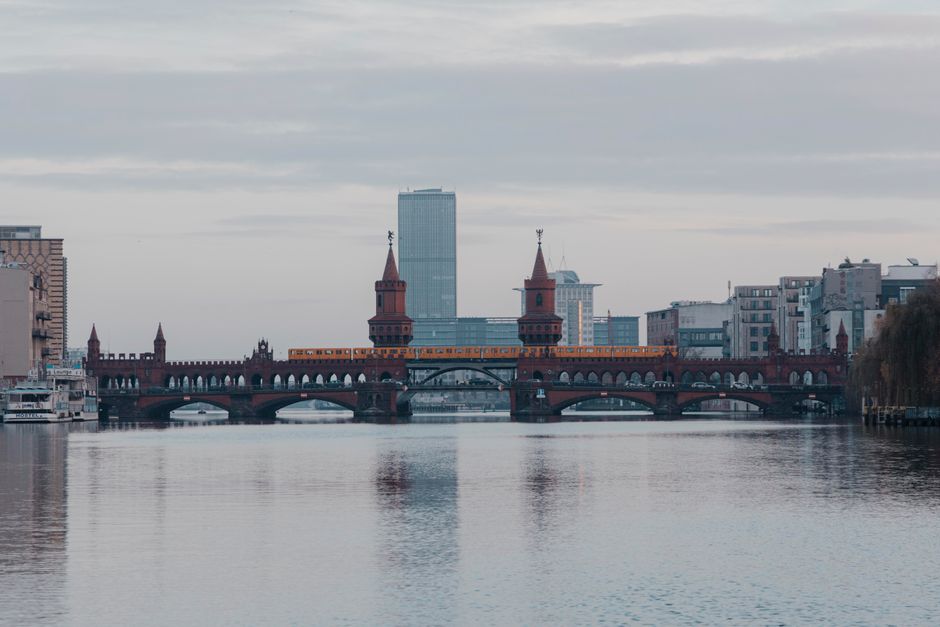
The Berlin-Brandenburg Transport Authority (VBB) operates the U-Bahn, S-Bahn, buses, and trams across six fare zones. Most visitors need only Zone A and B, covering central Berlin from Tiergarten to Friedrichshain. A single journey ticket costs €2.80; a day pass (AB) is €9. Monthly passes are where residents save: €110 for AB zones, or €176 for all zones if you're commuting to Potsdam or the airport. Students qualify for substantial discounts through the BVG student card system—essential if you're enrolled at institutions like Humboldt University or TU Berlin.
The real access issue isn't price but infrastructure gaps. The eastern U-Bahn line remains fragmented due to Cold War history, meaning some neighbourhoods like parts of Köpenick rely heavily on S-Bahn and bus networks. Journey planning app Citymapper is indispensable; the official BVG app works but lags behind real-time accuracy. Download both.
Cycling dominates Berlin's transport culture for good reason. The city has over 500 kilometres of dedicated cycle paths. Bike-sharing schemes like Nextbike charge €1 per 30 minutes, or €10 monthly for unlimited short trips. Purchasing a used bike from shops in Neukölln or the Mauerpark flea market (Sundays) costs €30–80. Lock theft is endemic—invest in a sturdy Kryptonite lock (€20–40), not a flimsy cable.
For short hops, e-scooters (Tier, Lime, Voi) offer €1 base fees plus per-minute charges—convenient but pricey for daily commuting. Walking remains underrated: Kreuzberg to Mitte is entirely walkable, and the city's relatively flat terrain means most journeys under 4km are realistic on foot.
Airport access matters: Tegel closed in 2020; Brandenburg Airport (BER) is 24km south. The Express train (RB14) to Alexanderplatz takes 38 minutes (€3.40 single, included in AB day passes). Luggage-heavy travellers note: only the S-Bahn has dedicated bike/luggage cars.
One final note: the VBB honour system means no barriers at U-Bahn stations. Fare evasion (Schwarzfahren) is tempting but carries €60 fines. For a city that prides itself on affordability, that's hardly worth saving €2.80.
This article was compiled by AI from the sources linked above and screened before publishing. See our editorial standards.
How does this story make you feel?
Spread the word
About this article
Published by The Daily Berlin
Daily brief
Free, in your inbox before 7am. Weekdays.
More in lifestyle