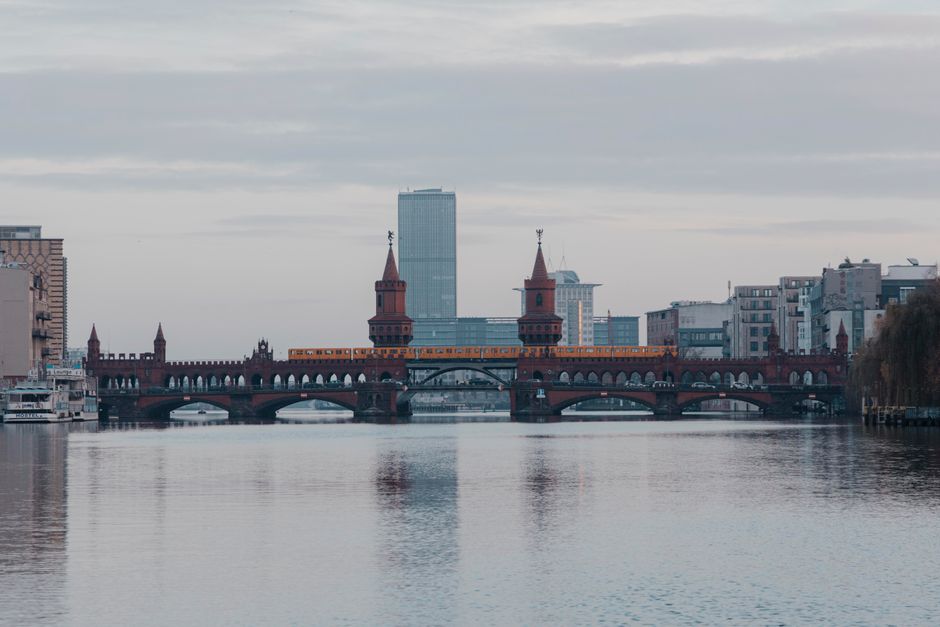
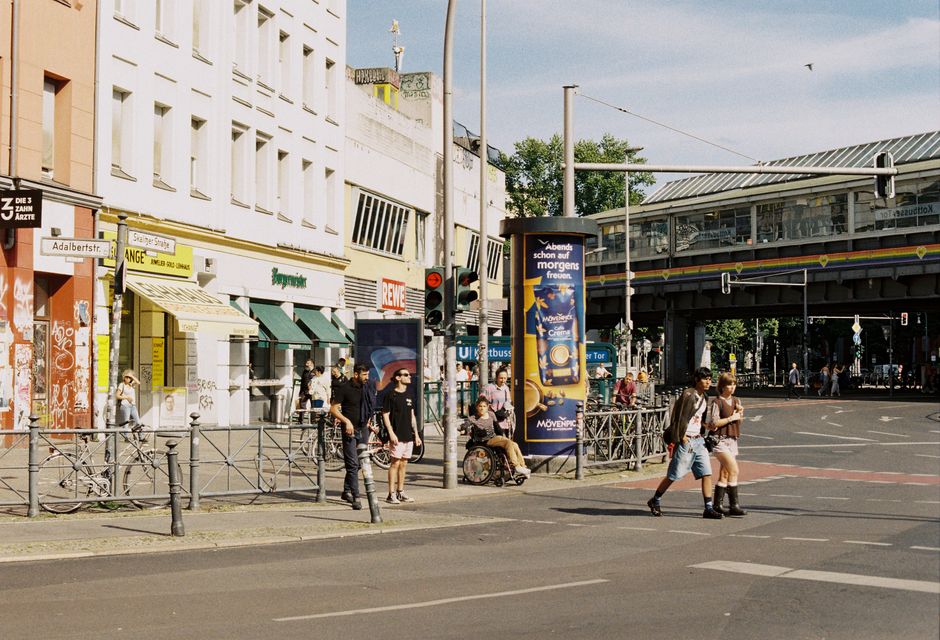
Walk down Revaler Straße on a Tuesday evening and you'll notice something peculiar for Friedrichshain: it's quiet. Not abandoned-quiet, but peacefully inhabited. This shift—gradual but unmistakable—marks a pivotal moment for a neighbourhood that spent the better part of two decades defined by its nightlife excess and transient populations.
"The RAW-Gelände still hosts massive events, but the vibe around it has matured," explains a community coordinator at Friedrichshain's Nachbarschaftsheim Mehringhof, a social centre that has recently expanded its programming. "People want to live here, not just party here." Recent data from Berlin's housing registry shows that permanent residency in Friedrichshain increased by 8.3 percent between 2023 and 2026—the highest rate in the eastern districts—as rents stabilised around €14-16 per square metre, lower than Kreuzberg or Neukölln.
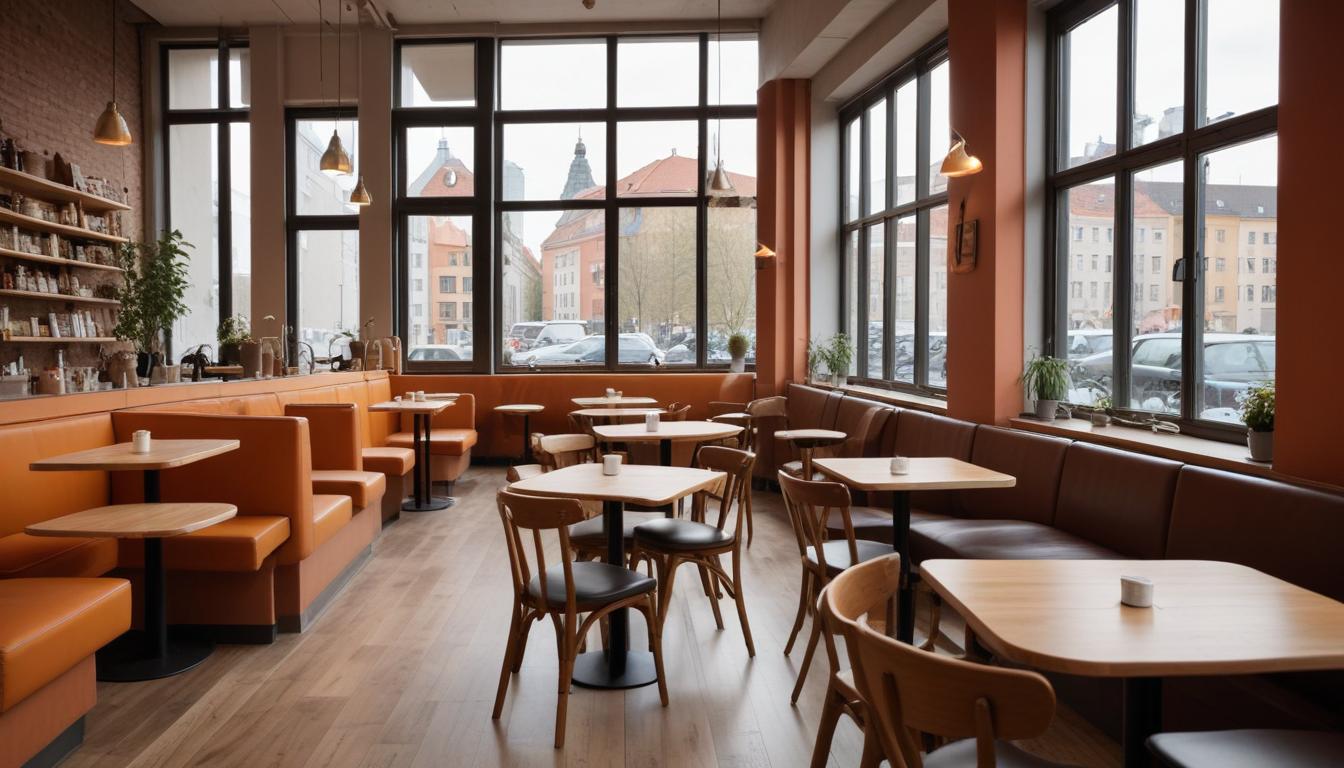
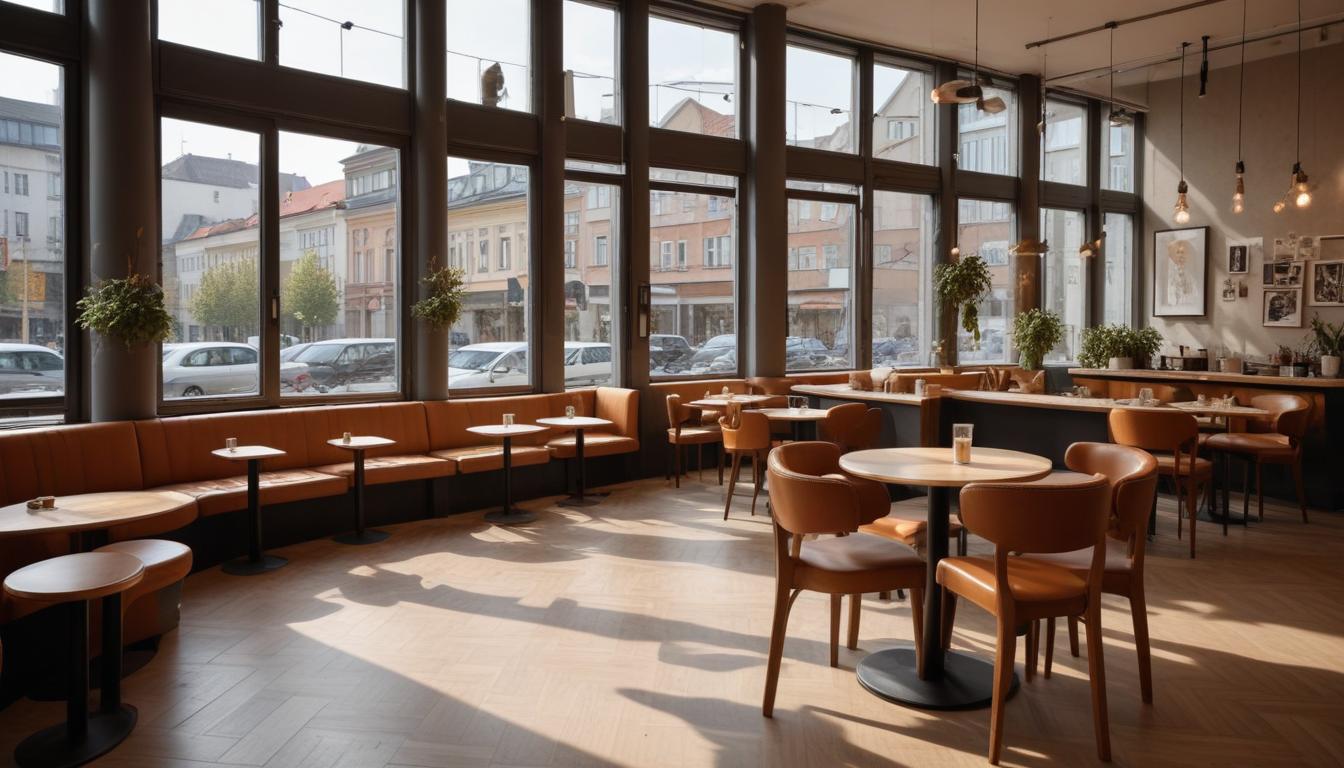
The transformation is visible in unexpected places. Along Boxhagener Straße, where vintage shops once dominated, independent cafés and small publishers have opened. The Sunday Markthalle at Ostkreuzwerk now attracts families, not just clubbers hunting breakfast. Meanwhile, cultural spaces like Kunsthaus Tacheles—reimagined as a hybrid community-creative hub rather than pure nightlife venue—have redirected foot traffic toward daytime cultural engagement.
What's driving this shift? Several factors converge. First, Berlin's strict noise ordinance enforcement since 2024 genuinely changed which venues could operate and how. Second, gentrification pressure from wealthier western districts pushed young professionals eastward, bringing different priorities. Third, the local Friedrichshain-Kreuzberg district government invested €2.8 million in community infrastructure improvements over three years, including safer cycling lanes and green space restoration along the Spree.
Long-time residents—many of whom nearly left during peak party years—now describe a neighbourhood reclaiming balance. The Ostkreuzwerk cultural collective reports applications for residencies jumped 40 percent in 2025, with creators specifically citing "finally being able to focus without constant noise." The neighbourhood's flourishing street art scene remains (RAW's murals are iconic), but it's now complemented by serious galleries, artist studios, and the recently expanded Kunsthofschule programming.
Friedrichshain hasn't become gentrified or sterile. Rather, it's matured into something harder to market but infinitely more liveable: a genuinely mixed neighbourhood where creative culture and stable community coexist. For locals who stuck it out through the chaotic years, the current moment feels less like transformation and more like vindication—proof that a neighbourhood can evolve without losing its soul.
This article was compiled by AI from the sources linked above and screened before publishing. See our editorial standards.