Prenzlauer Berg's Schools Are Reinventing Themselves—and Families Are Following
As Berlin's most coveted family neighbourhood transforms, its educational institutions are radically rethinking what learning means in 2026.
As Berlin's most coveted family neighbourhood transforms, its educational institutions are radically rethinking what learning means in 2026.
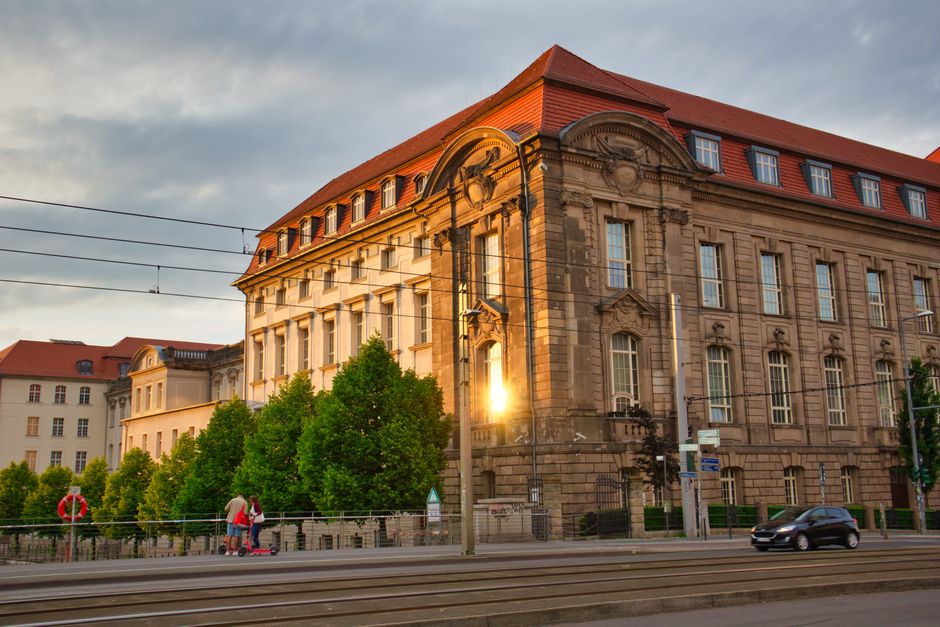
A decade ago, Prenzlauer Berg was synonymous with organic cafés, vintage boutiques, and young professionals who hadn't quite decided whether to have children. Today, it's Berlin's most expensive residential neighbourhood—and its schools are scrambling to keep pace with the families who've decided to stay.
The shift is visible on Kastanienallee and Stargarder Straße, where traditional classroom models are giving way to something messier, more adaptive. The Freie Schule Prenzlauer Berg, which moved to a converted printing factory on Fehrbelliner Straße in 2024, now operates on a project-based curriculum that reflects the neighbourhood's creative DNA. Children learn mathematics through neighbourhood mapping, language through hyperlocal journalism projects. It's deliberate—and it's expensive, with annual fees reaching €8,500.
But the real transformation is happening in public schools, where demographic pressure has forced innovation out of necessity rather than choice. Three new primary schools opened across the neighbourhood between 2023 and 2025, yet waiting lists remain brutal. Grundschule am Kollwitzplatz, named after the famous expressionist whose work adorns the square, now offers bilingual German-English streams and has introduced outdoor learning spaces across three relocated classrooms in the Kulturbrauerei complex.
Parents themselves are changing the neighbourhood's educational landscape. The emergence of parent-organised cooperatives—including three new Waldorf-inspired kindergartens in converted residential spaces—reflects a broader shift away from institutional childcare. Monthly fees average €650, significantly less than private alternatives, though demand means waiting times stretch to two years.
Digital connectivity, strained by Berlin's notorious infrastructure challenges, has become a flashpoint. Unlike wealthier districts, Prenzlauer Berg's schools lack consistent high-speed internet. The Schule am Kollwitzplatz has lobbied the district aggressively, resulting in a €2.3 million broadband upgrade announced in May.
What's striking is the neighbourhood's willingness to embrace experimental approaches—from Montessori-influenced public models to democratic school governance structures—while simultaneously grappling with inequality. A teacher working in a state school here earns €55,000 annually while facing class sizes of 28 students. Meanwhile, families paying €8,500 yearly receive bespoke education in heritage buildings.
This is Prenzlauer Berg's educational paradox in 2026: a neighbourhood famous for progressive values now hosting some of Berlin's starkest disparities in schooling quality, all while genuine innovation flourishes in pockets of both public and private sectors. The question isn't whether the neighbourhood's schools are changing—it's whether they're changing for everyone.
This article was compiled by AI from the sources linked above and screened before publishing. See our editorial standards.
How does this story make you feel?
Spread the word
About this article
Published by The Daily Berlin
Daily brief
Free, in your inbox before 7am. Weekdays.
More in lifestyle