Berlin's reputation as Europe's bargain capital is evaporating fast. While the city remains cheaper than London or Paris, the neighbourhoods that defined its countercultural charm now demand serious financial commitment. Understanding the real cost of entry has become essential for anyone considering a move to Germany's capital.
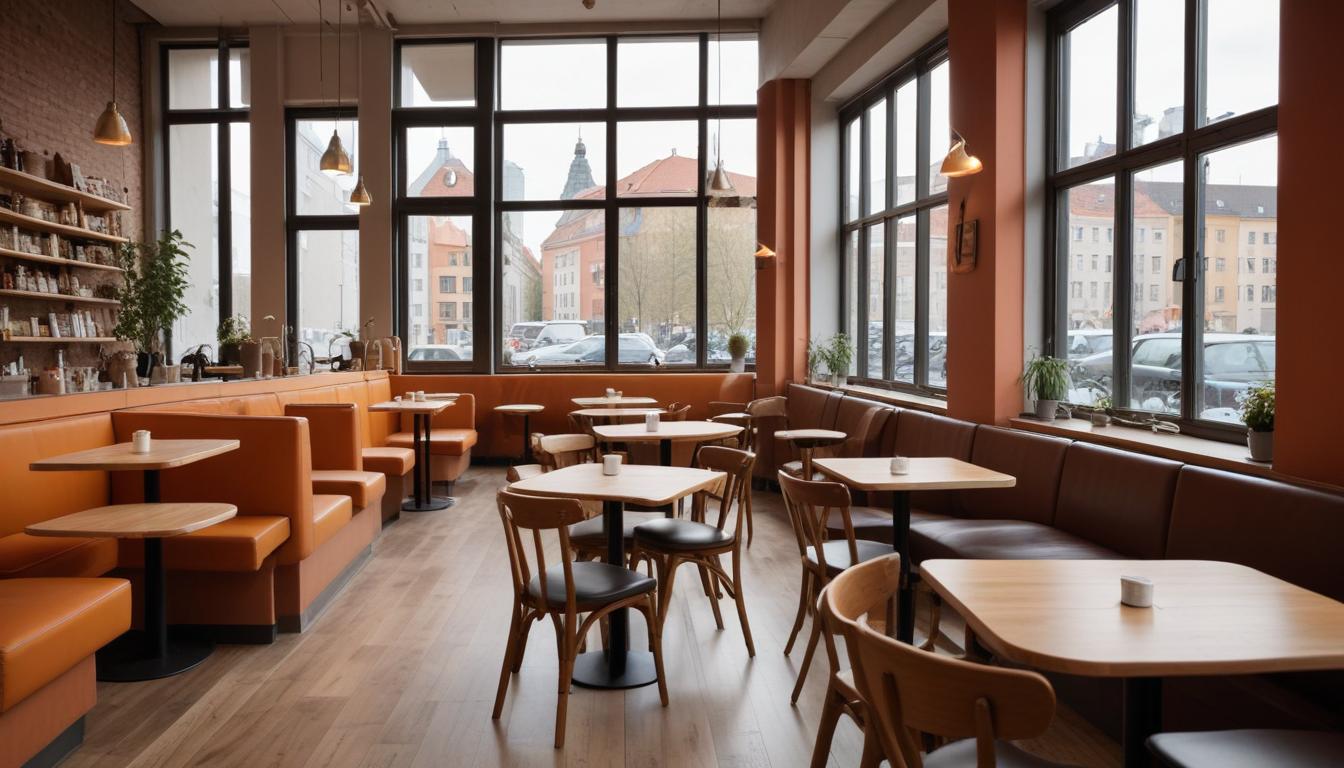
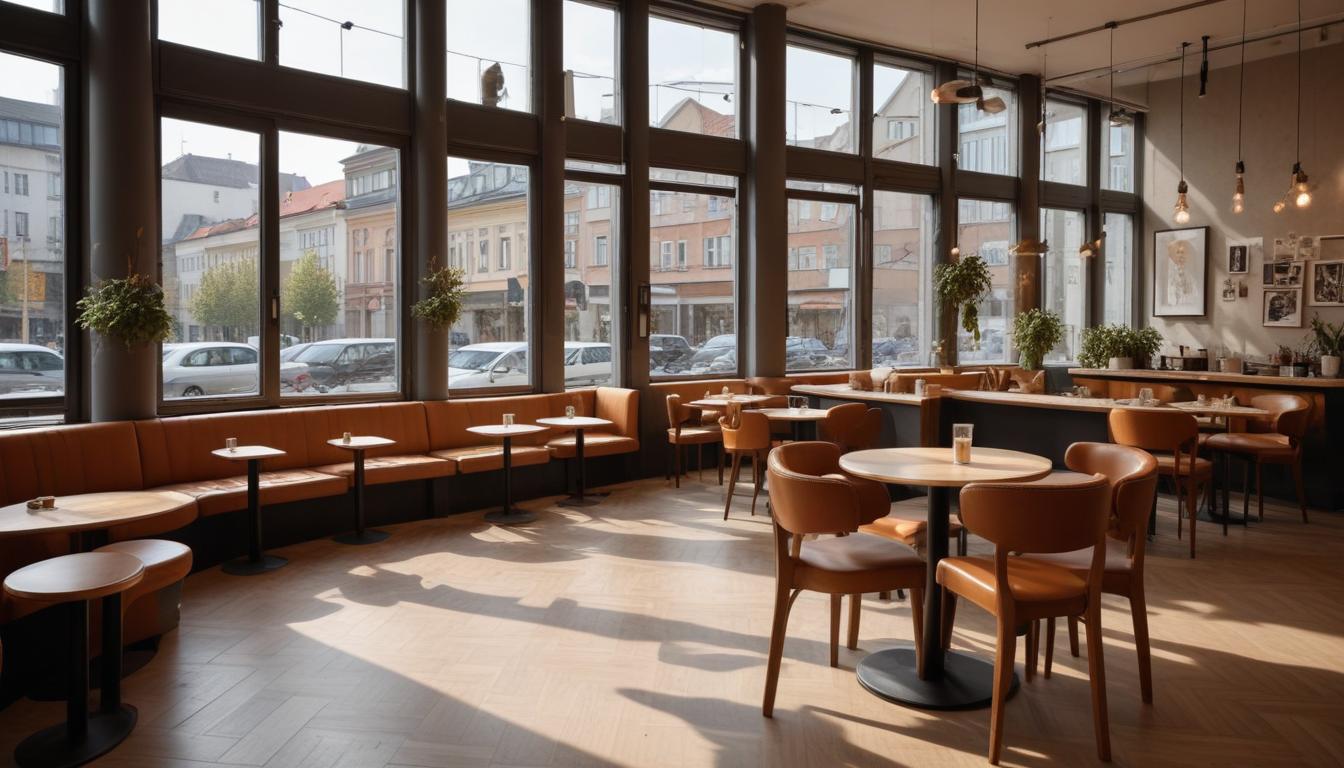
Prenzlauer Berg, once the poster child for Berlin's bohemian appeal, now ranks among the priciest districts. A one-bedroom apartment on or near Schönhauser Allee averages €1,400–€1,800 monthly. The neighbourhood's independent bookshops, vintage boutiques, and the Sunday Mauerpark flea market remain magnetic, but the café culture around Kollwitzplatz has become decidedly upmarket. A cappuccino costs €3.50–€4, and weekend brunches rarely dip below €15 per person.
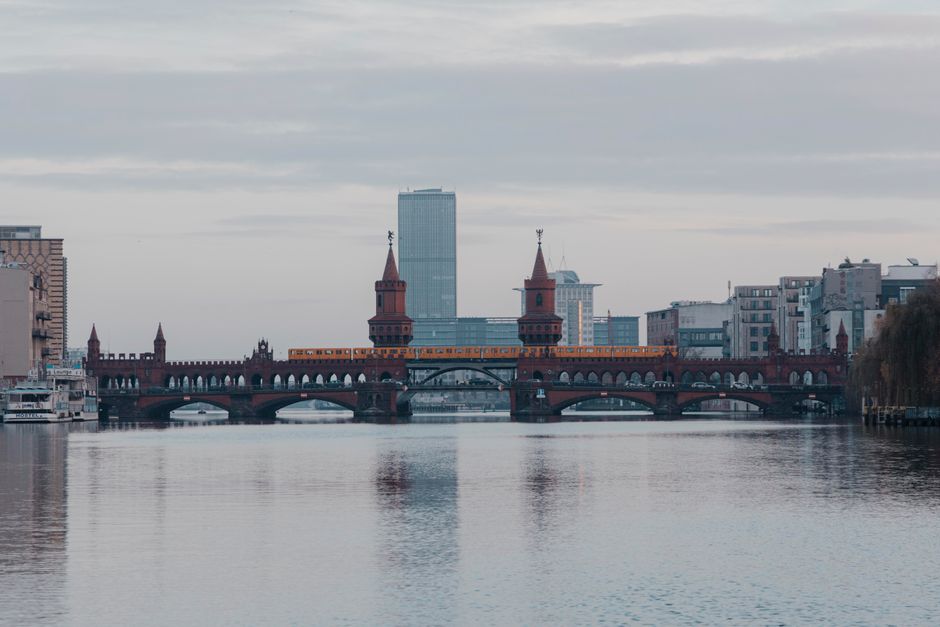
Kreuzberg tells a different story, though it's following a familiar trajectory. The gritty, artist-friendly streets around Kottbusser Tor still offer relative value—€1,100–€1,500 for a one-bedroom—but displacement pressures are mounting. The neighbourhood's independent galleries, squatting culture, and RAW Gelände cultural space remain largely authentic, though long-term residents increasingly report feeling priced out.
Friedrichshain offers the sweetest middle ground. Neighbourhoods like Boxhagener Platz and around the Ostkreuz district provide comparable amenities to trendier areas while keeping rents at €1,000–€1,300. The vibrant street-art scene, the Sunday flea market at Boxhagener Platz, and thriving music venues maintain genuine character without the premium price tag of western districts.
For genuine affordability, look east: Lichtenberg and Marzahn have become hotspots for younger Berliners and international arrivals. Rents hover around €800–€1,100, and emerging food scenes—particularly around Friedrichsfelde—are gaining serious attention. Public transport integration via the U5 U-Bahn line has improved connectivity considerably.
Beyond rent, understand Berlin's other costs. The BVG monthly transport pass costs €88; grocery shopping at Rewe or Edeka runs roughly 30% cheaper than Western European equivalents; and utilities average €100–€150 monthly depending on heating needs. However, Berlin's rental deposit system requires three months' rent upfront, and many landlords demand proof of income (typically three times monthly rent).
The crucial calculation: a comfortable lifestyle in a characterful neighbourhood now requires €2,200–€2,600 monthly for a single person, versus €1,800–€2,000 just five years ago. Berlin remains accessible compared to other major European cities, but the window for truly cheap living is closing rapidly. Choose wisely, move quickly, or consider the emerging eastern districts before they, too, succumb to full gentrification.
This article was compiled by AI from the sources linked above and screened before publishing. See our editorial standards.