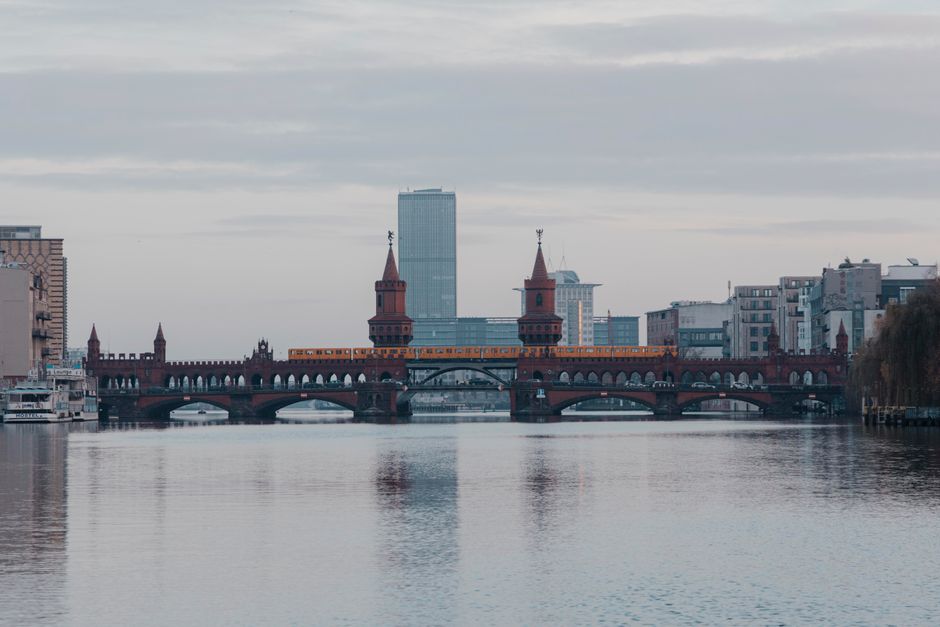
Walk along Kottbusser Straße on a Saturday morning in 2026, and you'll notice something shift in Berlin's most famously volatile neighbourhood. The old tension between incoming creatives and entrenched communities hasn't disappeared, but it's been channelled into something more constructive. Kreuzberg locals—a mix of third-generation Turkish families, artists priced out of Friedrichshain, and young professionals—are talking about staying, not fleeing.
The turning point came quietly. Three years ago, the Kreuzberg Collective, a neighbourhood federation formed by residents across class and cultural lines, began mediating between property developers and long-term tenants. Their most visible success: the conversion of the abandoned Mehringhof complex on Gneisenaustraße into mixed-income studios and a community kitchen, keeping rents capped at €12 per square metre for 40% of units. By mid-2026, similar models are being replicated across RAW-Gelände and along Mehringdamm.
But the real magic lies in the everyday. The Thursday evening farmers' market at Mariannenplatz—once a symbol of gentrification—is now genuinely intergenerational. Pension-age German residents queue alongside Syrian refugees and young families for organic produce and fresh bread from local bakeries like Bäckerei am Mehringdamm, which has run the same location for 47 years. No irony. No performance. Just practical community building.
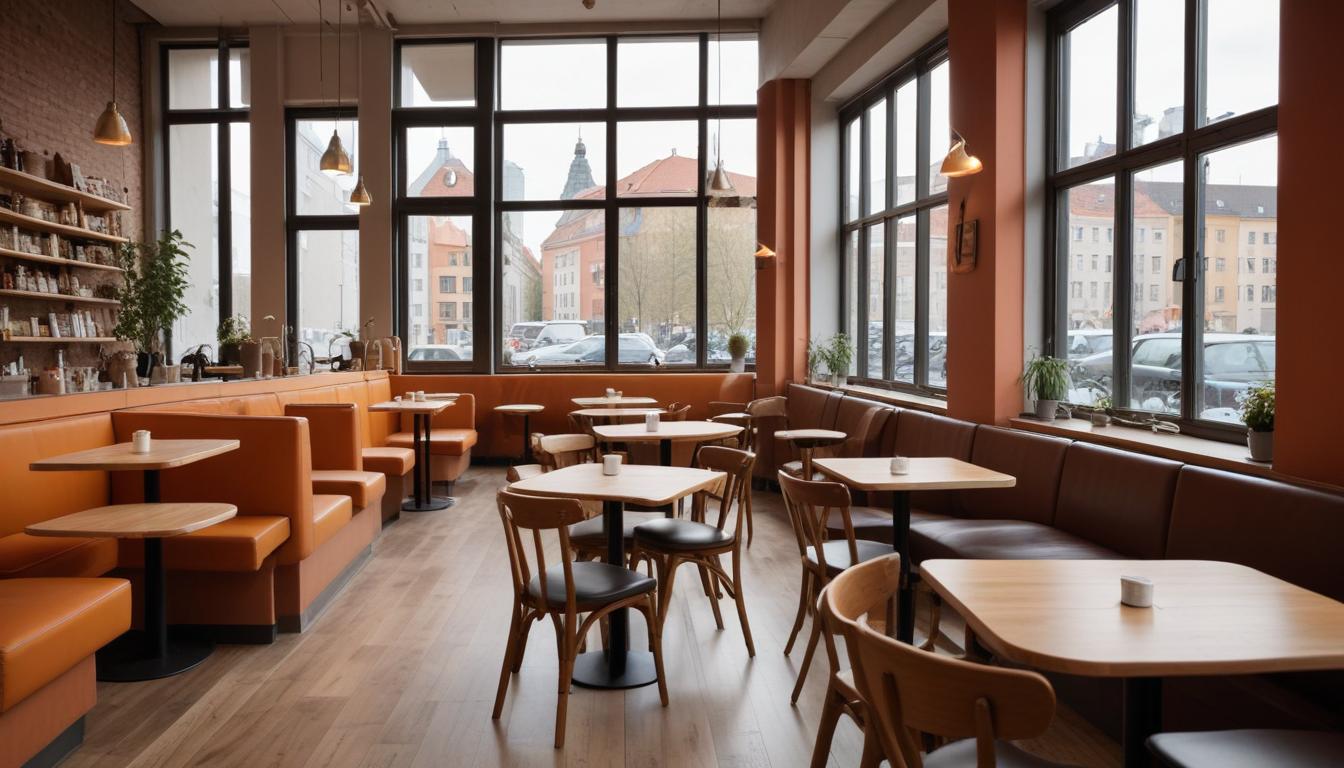
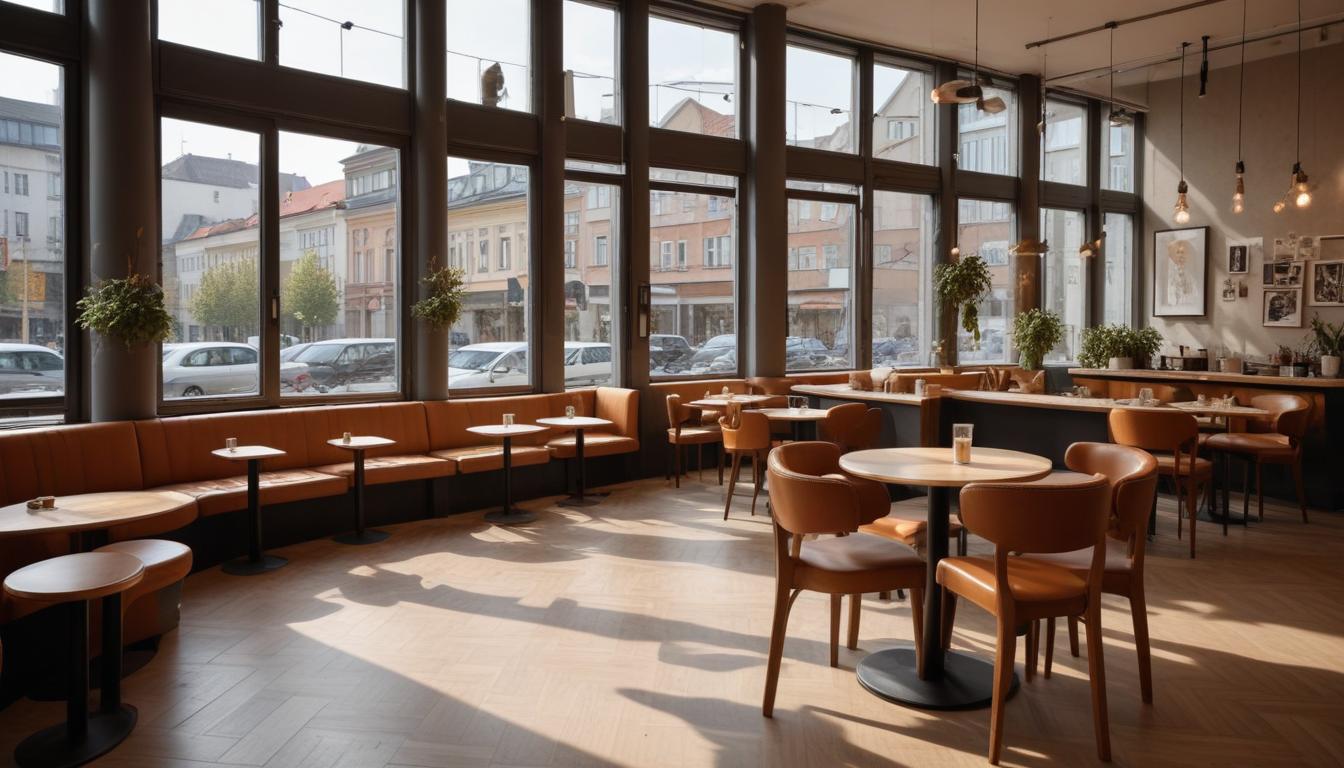
New venues reflect this shift. Rather than boutique coffee shops, Kreuzberg has embraced shared spaces: the Nachbarschaftstreff on Reichenberger Straße offers free German lessons, childcare support, and legal advice clinics. The monthly Kreuzberg Küche pop-ups—rotating kitchens run by residents—have become as anticipated as any restaurant opening elsewhere in the city.
Housing costs remain serious. Average rents have stabilised around €16-18 per square metre, compared to €21 across Friedrichshain-Kreuzberg district in 2022, according to local housing activist networks. It's not affordable in any absolute sense, but the trajectory matters to people who'd watched their neighbours vanish.
What's changed most is psychological. Older residents report feeling heard rather than harassed by newcomers. Younger residents say they feel embedded in something with actual roots—not just aesthetic edginess. The neighbourhood's legendary politics haven't softened; they've simply become less performative and more practical.
For Berlin's lifestyle watchers, Kreuzberg's moment isn't about arrival or status. It's about a neighbourhood finally finding its rhythm after a decade of turbulence. That's why locals are staying.
This article was compiled by AI from the sources linked above and screened before publishing. See our editorial standards.