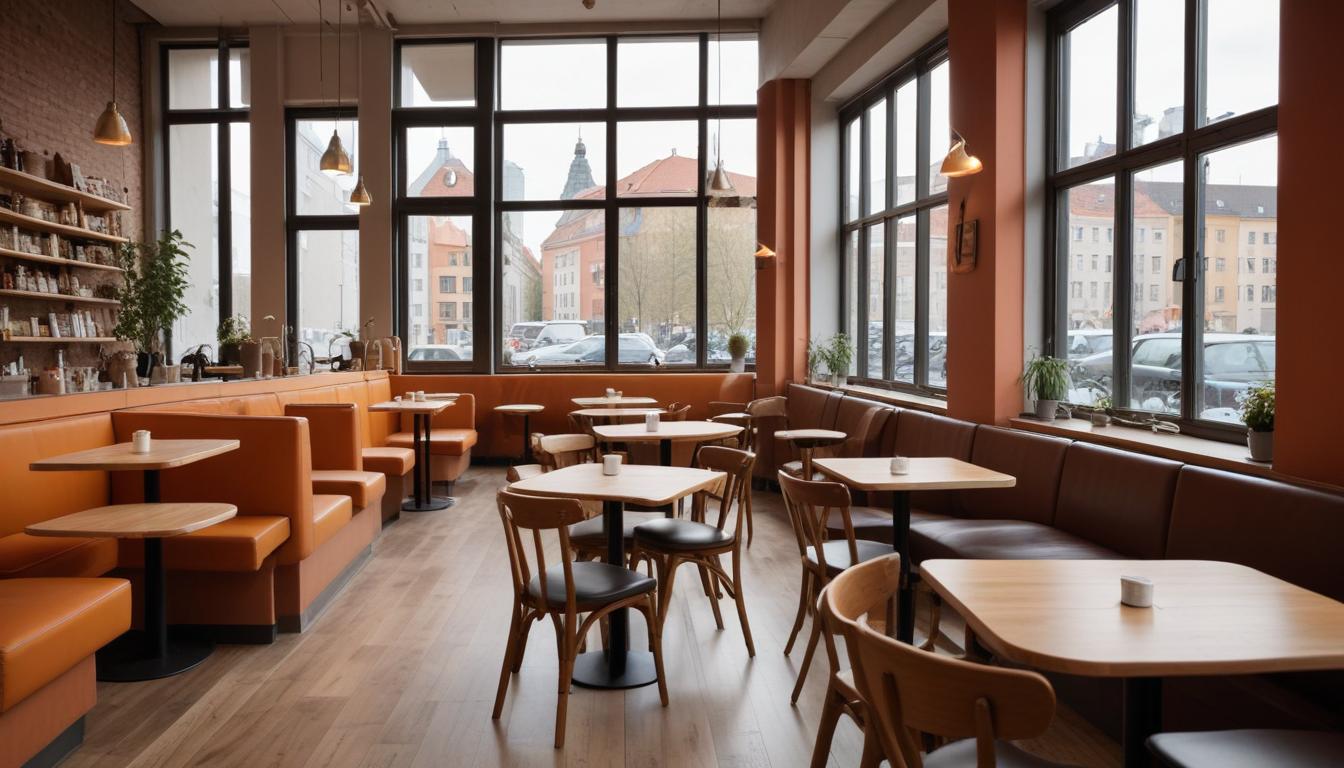
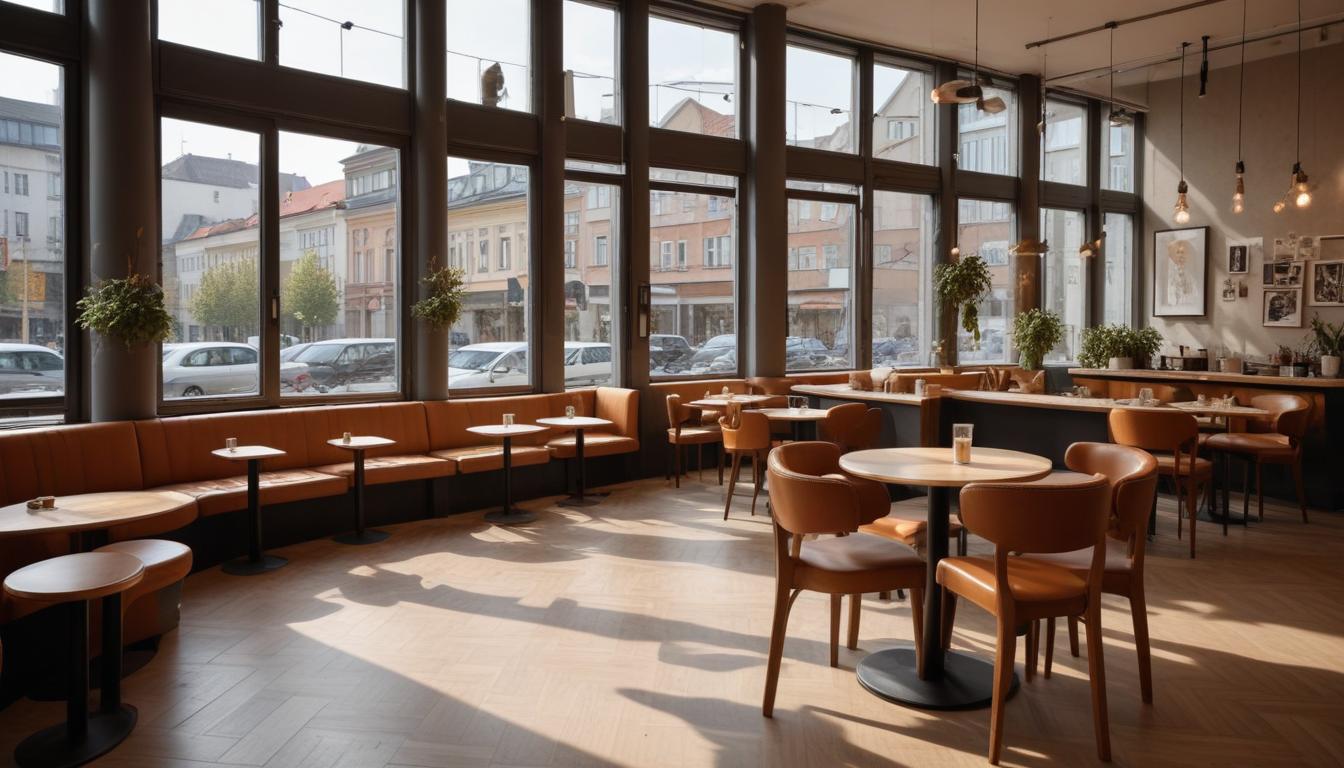
Moving to Berlin means choosing not just an apartment, but an entire social ecosystem. Unlike cities where neighbourhoods blend seamlessly, Berlin's districts operate almost as distinct villages—each with unmistakable rhythms, unwritten codes, and welcoming committees (formal or otherwise).
Kreuzberg remains the city's ideological heartland. RAW-Gelände, the sprawling cultural space along Friedrichshain's border, hosts everything from electronic music festivals to community gardening projects. But the real integration happens at street level: Turkish kebab shops on Kottbusser Straße double as information hubs where neighbours gather, while collective houses like those around Mehringdamm operate with deliberate transparency. Rent averages €12–15 per square metre—manageable by Berlin standards—though gentrification tensions run high. First-time residents quickly learn that showing genuine interest in the neighbourhood's political history, not just its bars, matters.
Prenzlauer Berg tells a different story. Once East Berlin's bohemian core, it has quietly transformed into a predominantly family-oriented neighbourhood where playground networks rival professional socialising. Kollwitzplatz serves as the de facto community centre; Sunday farmers' markets connect young parents with long-term residents and elderly locals who remember the pre-1989 era. Schools and daycare waiting lists are competitive, but parents report that the neighbourhood's dense social fabric means childcare often gets shared informally. Monthly rent hovers around €14–16 per square metre, reflecting demand from established families.
Charlottenburg attracts a different demographic entirely. The Charlottenburg Palace gardens, Spandauer Forst, and the cluster of museums along the Spree create a slower, more culturally introspective vibe. International organisations, diplomatic missions, and established professionals dominate; networking happens through Kunsthalle memberships and classical concert series rather than dive bars. The neighbourhood hosts strong expat communities—Australian, British, Scandinavian—with formalised support networks through groups like InterNations, which meets monthly at venues across western Berlin. Expect €13–17 per square metre.
Neuköllln's southern districts—particularly around Körnerpark—reveal how rapidly neighbourhoods evolve. Community gardens, cooperative housing projects, and grassroots cultural spaces create genuine integration points for newcomers. The district's 40% immigrant population means multilingual support networks flourish organically; Facebook groups and WhatsApp communities often function as unofficial welcome committees.
The practical lesson: before signing a lease, spend a Saturday afternoon in a neighbourhood's central square. Watch where people linger, what languages you hear, whether conversations happen on benches or behind closed doors. Berlin rewards those who engage with their chosen community's actual character, not its reputation.
This article was compiled by AI from the sources linked above and screened before publishing. See our editorial standards.