Berlin on a Budget: The Real Cost of Relocating to Germany's Most Affordable Major City
A practical breakdown of housing, transport, bureaucracy and lifestyle expenses to help expats understand what moving to Berlin actually costs in 2026.
A practical breakdown of housing, transport, bureaucracy and lifestyle expenses to help expats understand what moving to Berlin actually costs in 2026.
Berlin remains one of Europe's most accessible major cities for international relocators, but the landscape has shifted considerably since the days of €300 apartments in Kreuzberg. Understanding the genuine financial picture—and the bureaucratic maze—is essential before packing your bags.
Housing Reality
A one-bedroom apartment in central neighbourhoods like Prenzlauer Berg or Friedrichshain now averages €800–€1,200 monthly. More affordable options exist in Wedding or Lichtenberg (€600–€850), though gentrification is accelerating there too. The Mietpreisbremse (rent cap) technically limits increases, but landlords increasingly demand furnished contracts or extended leases to circumvent regulations. Budget 2–3 months' rent plus agency fees (typically one month's rent) for deposits and upfront costs.
Transport and Getting Around
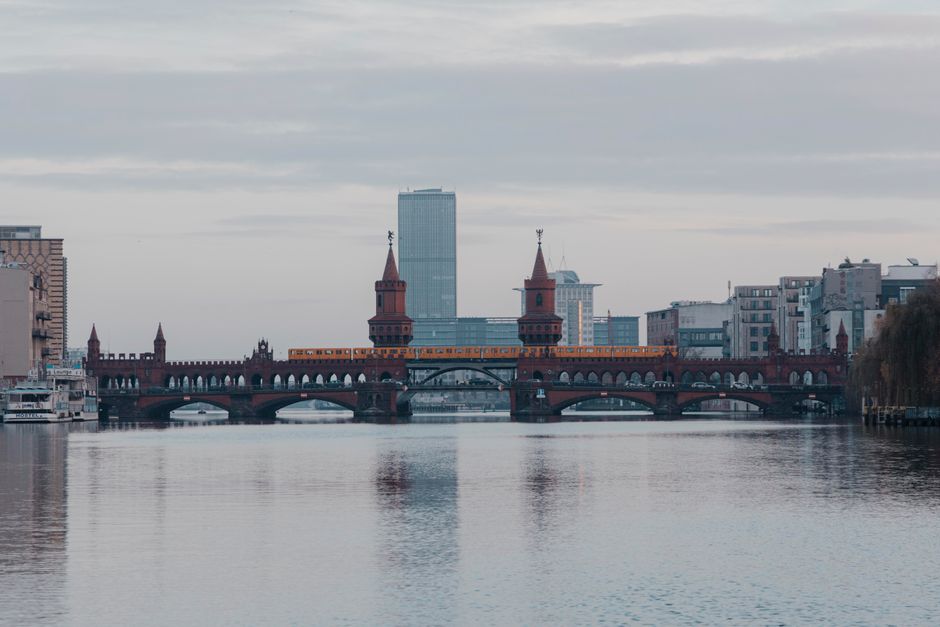
The BVG monthly ticket (€122 as of mid-2026) covers U-Bahn, S-Bahn and buses across all zones. Annual subscriptions offer modest savings. Cycling remains hugely popular—expect €150–€400 for a decent used bike from markets along the Spree or shops in Charlottenburg. Berlin's infamous potholes mean maintenance costs are real.
Daily Living Costs
Groceries are reasonable compared to London or Paris: €200–€250 monthly for one person at budget supermarkets like Lidl or Aldi. Dining out ranges from €8–€12 for döner or curry wurst to €25+ for casual restaurants in Mitte. Beer in bars averages €3–€5. Utilities (heating, water, internet) typically run €100–€150 monthly.
Bureaucratic Essentials
The Anmeldung (registration at your local Bürgeramt) is mandatory within two weeks of arrival—book appointments online as walk-ins face weeks-long waits. Opening a German bank account requires an appointment at banks like Commerzbank or Deutsche Bank, though some fintechs streamline this. Health insurance is obligatory (€110–€200+ monthly depending on income). Consider hiring a relocation service or consulting platforms like Expatica for guidance; the bureaucracy genuinely demands patience.
First-Month Snapshot
Budget realistically: €2,500–€3,500 for housing deposits, transport card, groceries, utilities and admin fees. Berlin's cost-of-living index remains 15–20% below London or Paris, but it's no longer the bargain-basement destination of myth.
The city rewards those who embrace local culture—exploring markets in Neukölln, weekend brunches in Dahlem, or the free museum evenings—while respecting that genuine affordability requires intentional choices about where you settle.
This article was compiled by AI from the sources linked above and screened before publishing. See our editorial standards.
How does this story make you feel?
Spread the word
About this article
Published by The Daily Berlin
Daily brief
Free, in your inbox before 7am. Weekdays.
More in lifestyle