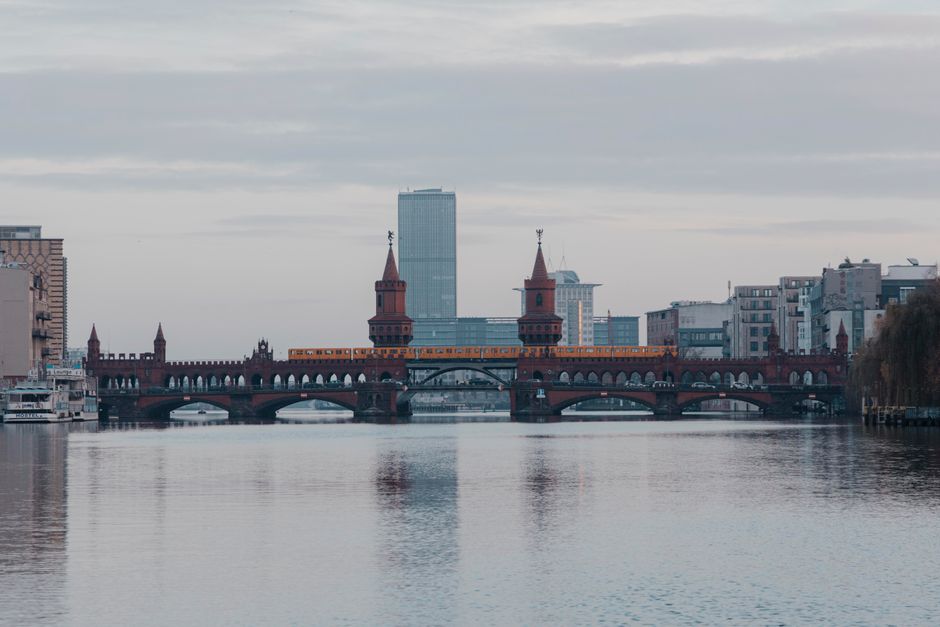
Stepping onto the U1 line as it rumbles towards Warschauer Straße on a Tuesday morning, you're not just witnessing transport logistics—you're glimpsing the neighbourhoods themselves in motion. The composition of passengers shifts with each station, a living barometer of Berlin's fractured yet interconnected identity.
The U-Bahn and S-Bahn networks, carrying roughly 4.5 million passengers weekly across the city, have become unofficial mirrors of their surrounding districts. Take the northbound journey on the U2 through Wedding: the carriage fills with a polyglot mix reflecting the neighbourhood's 60% immigrant population, conversations in Turkish, Arabic and German layering over squealing brakes. At Alexanderplatz station, tourists and heritage-seekers dominate; by Museumsinseln, the demographic skews toward culture seekers heading to the Pergamon Museum renovations.
Kreuzberg's gritty character announces itself on the U1 approach to Kottbusser Tor. The street-level chaos—with RAW-Gelände's outdoor techno venues, street art sprawling across every available surface, and independent record shops like Hardwax anchoring the cultural scene—sends reverberations through the platform itself. Twenty-somethings with vintage cameras, established clubbers heading home at dawn, and long-term residents embodying the neighbourhood's activist DNA share the same carriage. The €55 monthly Umweltkarte (environmental pass) that many Kreuzberg residents use signals a neighbourhood invested in sustainable living.
Meanwhile, the S7 heading west toward Charlottenburg paints an entirely different picture. Here, the commute pace slackens; passengers are older, more formally dressed, reflecting the affluent residential character beyond the Charlottenburg Palace. The journey itself becomes leisurely, the carriage quieter, conversations more measured. This is old West Berlin's ghost lingering in the transport patterns.
What makes these commutes genuinely reflective of neighbourhood vibe isn't just demographics—it's the informal economies and spontaneous community moments they generate. The violinist who performs between Friedrichstraße and Unter den Linden stations has become a fixture; the informal community notice boards at U-Bahn exits in Neukölln advertise everything from Arabic classes to repair workshops. These are the social tissues that formal neighbourhood statistics miss.
Berlin's transport system, built across Cold War divisions and now stitched back together, remains fundamentally about connection—not just physical movement, but the authentic encounter with the city's fractured but resilient communities. Each line is less a route than a narrative of who we are.
This article was compiled by AI from the sources linked above and screened before publishing. See our editorial standards.