Kreuzberg's Family Landscape Transforms as Young Parents Reshape Berlin's Most Bohemian District
Once dismissed as too edgy for children, Kreuzberg is experiencing a quiet revolution in how families live, learn and play.
Once dismissed as too edgy for children, Kreuzberg is experiencing a quiet revolution in how families live, learn and play.
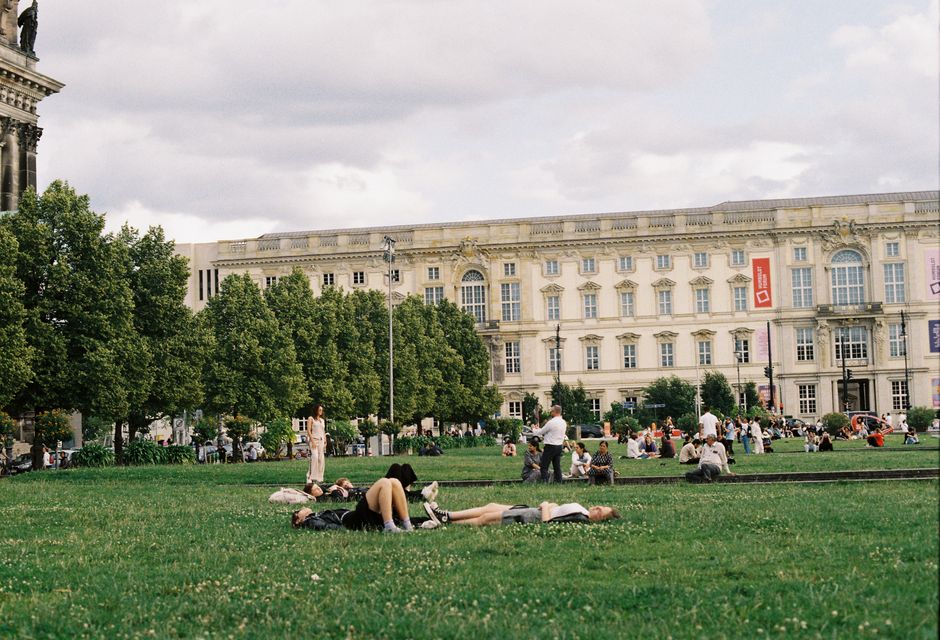
Walk along Mehringdamm on a Saturday morning and you'll see something that would have seemed improbable a decade ago: pushchairs queuing outside artisanal bakeries, children's clothing boutiques thriving alongside vintage record shops, and parents clustering on café terraces with their toddlers. Kreuzberg, Berlin's legendary counter-culture stronghold, is quietly becoming a neighbourhood where young families don't just tolerate the bohemian atmosphere—they actively seek it out.
The shift is most visible in education. Alternative and forest schools have proliferated across the district. Waldkindergarten programmes, once rarities in Berlin, now operate in at least five locations between Mehringdamm and Kottbusser Tor, with waiting lists stretching six months. Parents cite proximity to the Landwehr Canal's green spaces and the district's ethos of self-determination as draws. Meanwhile, traditional Kreuzberg institutions like the Mehringdamm primary schools have undergone subtle transformations—maintaining their inclusive, experimental teaching philosophies whilst accommodating an influx of middle-class families seeking alternatives to more formal west Berlin establishments.
The economics tell a revealing story. Five years ago, a two-bedroom flat in Kreuzberg's more residential pockets averaged €950 monthly. Today that figure hovers around €1,400—steep for Berlin, but dramatically cheaper than comparable Charlottenburg or Zehlendorf properties. This price sweet spot has created a particular demographic: educated, arts-adjacent professionals with young children who might previously have decamped to suburbs or outer districts like Pankow.
Local parents' networks have become increasingly organised. Groups coordinating shared childcare, bulk-buying organic produce, and organising weekend activities now maintain active Instagram feeds and Telegram channels. The community garden movement, particularly around Görlitzer Park, has expanded substantially, with family gardening slots now accounting for roughly 40 percent of available plots.
What's genuinely shifted, though, is perception. Kreuzberg parents still embrace the neighbourhood's creative, unconventional character—the street art, the independent venues, the political activism—but increasingly frame it as beneficial rather than incidental. The monthly community markets along Raoul-Wallenberg-Strasse now feature dedicated children's programming. The Kunsthofpassage, once a purely bohemian cultural space, now hosts weekend family art workshops.
Yet tensions remain. Rapid gentrification threatens the affordability that initially attracted young families, whilst some long-term residents worry the neighbourhood's character is being diluted. For now, though, Kreuzberg represents something rare in contemporary Berlin: a neighbourhood reinventing itself without erasing its identity—where radical politics and school runs coexist, however imperfectly.
This article was compiled by AI from the sources linked above and screened before publishing. See our editorial standards.
How does this story make you feel?
Spread the word
About this article
Published by The Daily Berlin
Daily brief
Free, in your inbox before 7am. Weekdays.
More in lifestyle