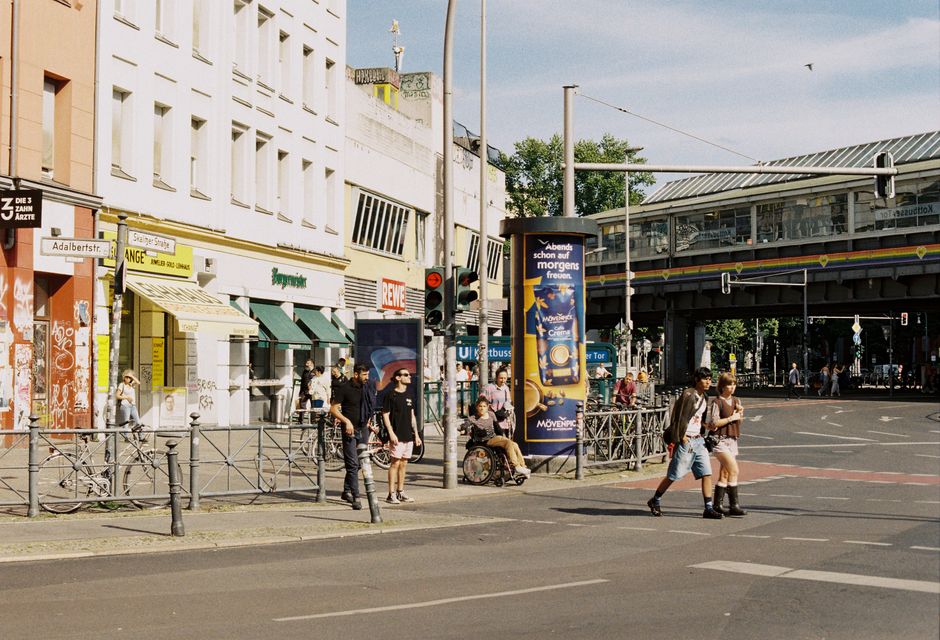
Walk along Mehringdamm or Kottbusser Tor on a Saturday morning in 2026, and you'll notice something subtly different from five years ago. The sprawling flea markets that once defined Kreuzberg's countercultural identity are being quietly professionalised. Temporary vendor permits are increasingly stringent. Stall rental fees—once negotiable—now run €40-60 per day. The result is a market ecosystem caught between its bohemian past and a more commodified future.
"The market has absolutely changed character," observes the retail landscape across Berlin's most densely shopped neighbourhood. What were once ad-hoc gatherings of neighbourhood residents selling surplus belongings have evolved into structured events managed by professional event companies. The monthly Kreuzberg Flea Market, which draws thousands to Mehringdamm, now requires advance registration and operates with coordinated logistics that would have seemed antithetical to the district's ethos a decade ago.
Yet this evolution isn't purely gentrification. Kreuzberg's resident population—still among Berlin's most economically diverse—continues to rely on these markets as genuine income sources. Turkish and Arab family businesses selling fresh produce at Mehringdamm remain virtually unchanged since the 1980s, their prices (tomatoes at €1.20 per kilo) still competitive with supermarket chains. What's shifting is the mix: artisanal coffee roasters, sustainable fashion pop-ups, and organic skincare vendors now share space with established greengrocers.
The RAW-Gelände markets exemplify this tension. Once entirely informal, the sprawling industrial site now hosts two to three structured weekend events monthly, each with themed programming—vintage fashion one weekend, handmade crafts the next. Entry costs have increased to €2-3, bringing in younger, more affluent shoppers alongside the traditional Kreuzberg constituency.
Local retailers adapted faster than markets themselves. The independent shops lining Mehringdamm and Raoul-Wallenberg-Strasse have increasingly adopted market-like strategies: pop-up collaborations, flexible inventory models, and weekend extended hours that blur retail and market boundaries. This hybridisation reflects broader changes: rising commercial rents (averaging €22 per square metre monthly for ground-floor retail), increased competition from online shopping, and shifting consumer expectations around experience and curation.
The question animating Kreuzberg's retail evolution isn't whether markets are dying—foot traffic remains strong—but rather what kind of markets will survive. The neighbourhoods where improvisation and informality still reign are migrating eastward to Lichtenberg and Köpenick, suggesting that Kreuzberg's transformation from market district to curated retail experience may be less a loss than a generational shift.
This article was compiled by AI from the sources linked above and screened before publishing. See our editorial standards.