Berlin's Expat Renaissance: Why Locals Are Rediscovering Their Own City
A quieter, more affordable Berlin is emerging post-pandemic—and both newcomers and long-time residents are embracing a slower, more authentic version of the capital.
A quieter, more affordable Berlin is emerging post-pandemic—and both newcomers and long-time residents are embracing a slower, more authentic version of the capital.
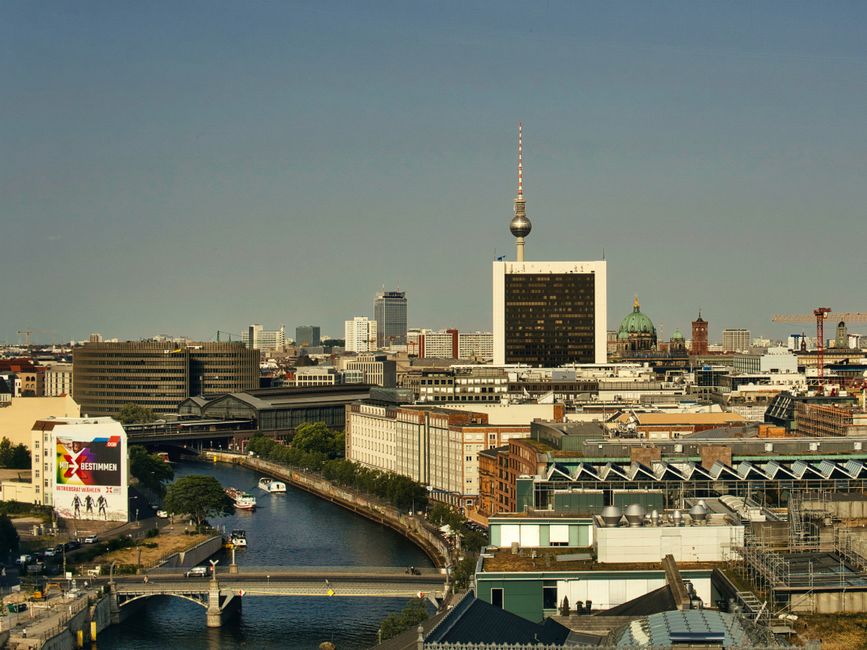
Two years ago, Berlin felt like a city drowning in its own success. Kreuzberg's streets were gridlocked with tour groups, Friedrichshain's clubs had turned corporate, and finding an apartment under €1,200 per month was a fantasy. Today, something has shifted—and not just for the 35,000 newcomers expected to arrive this year seeking refuge from global turbulence.
The change is real enough to measure. Average rents in Neukölln have stabilised around €14 per square metre, down from peaks of €16. Tourist numbers remain 20% below 2019 levels, according to visitBerlin data. And perhaps most significantly, Berliners themselves have reclaimed their neighbourhoods with an almost proprietary pleasure.
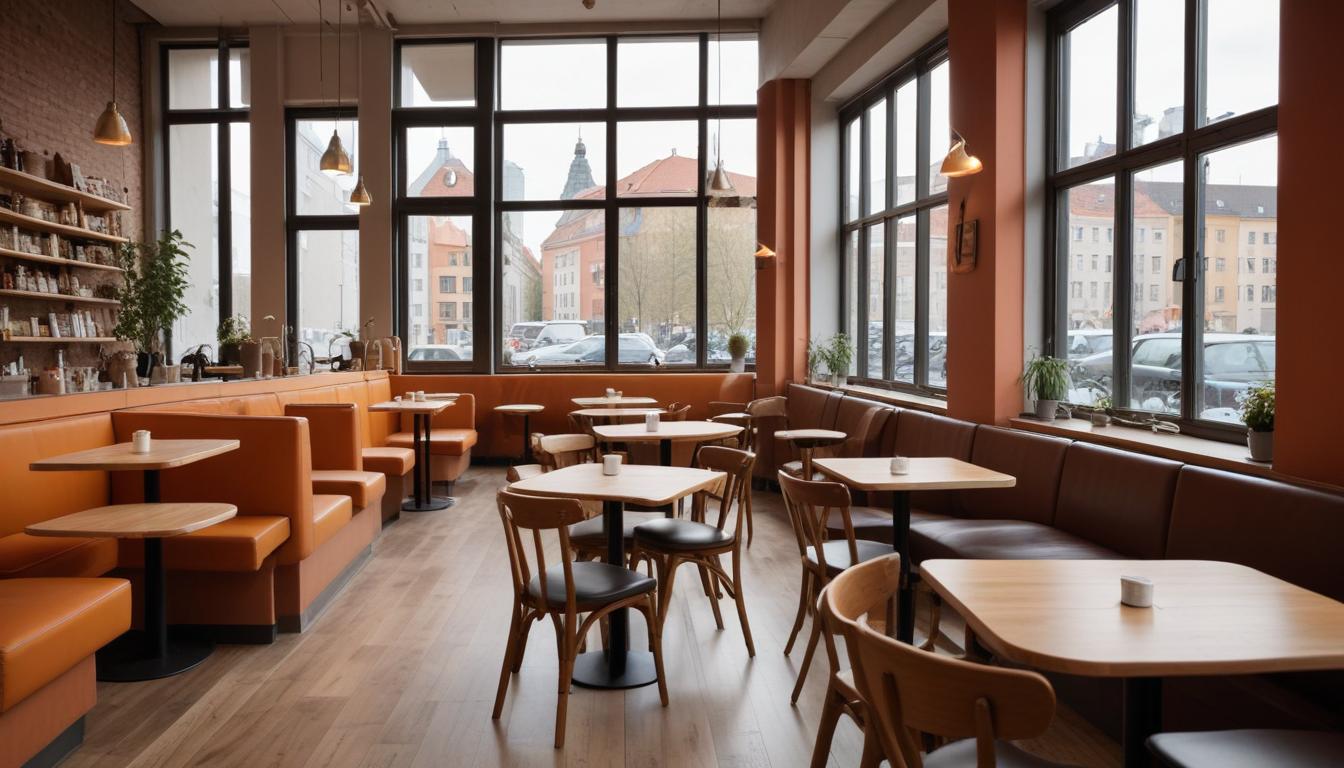
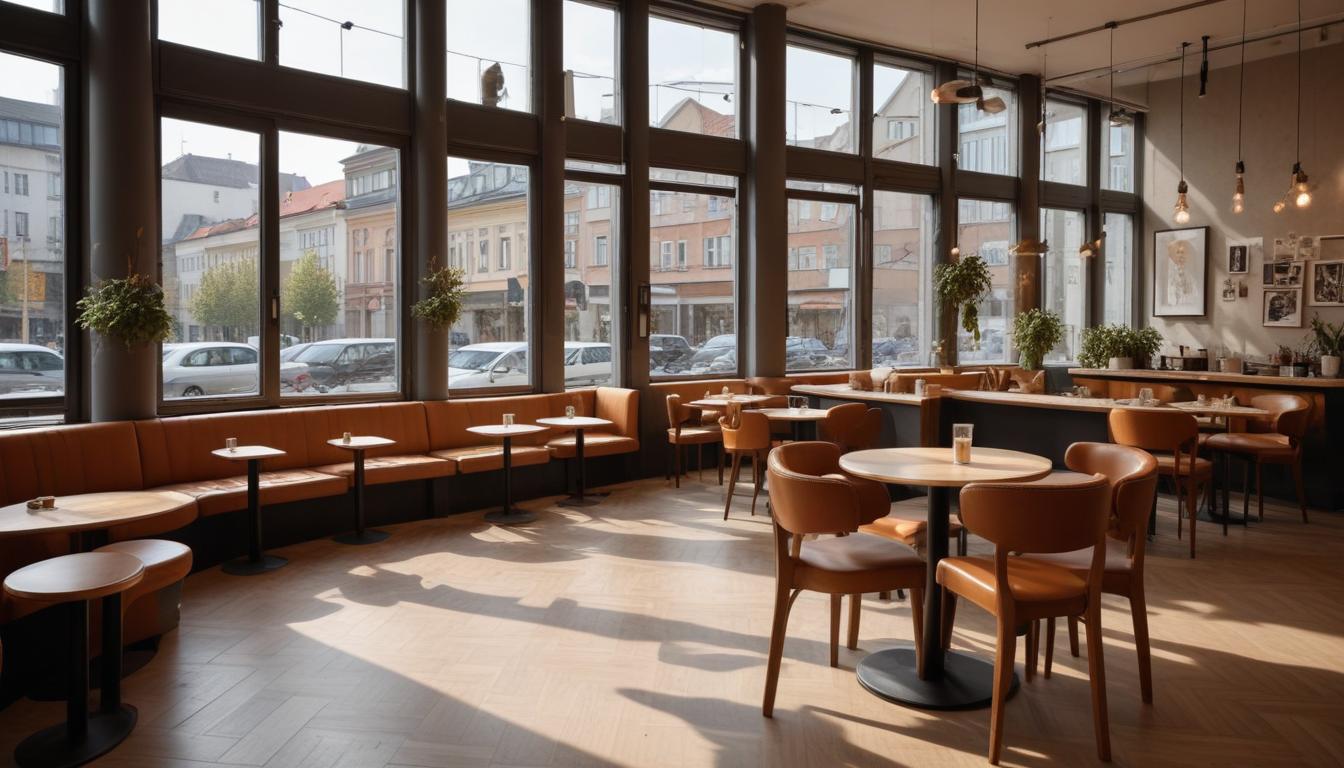
"We've got our city back," says the general sentiment among locals—whether sipping coffee at Café Commonground on Kottbusser Damm or browsing the revitalised independent bookshops now reopening on Oranienburger Strasse. The absence of cruise-ship crowds has given breathing room to the cultural infrastructure that made Berlin legendary: galleries in Charlottenburg are no longer packed shoulder-to-shoulder; the Berlinische Galerie hosts proper conversations rather than selfie marathons.
For newcomers, this recalibration is proving unexpectedly welcoming. The frenzied competitiveness that once defined the expat scene—the networking gauntlet, the pressure to prove yourself—has mellowed into genuine community-building. Organisations like Arrival Aid and New Berlin have reported higher engagement from established residents mentoring newcomers, particularly those fleeing geopolitical instability elsewhere.
The property market has become accessible again to middle-income earners. Lichtenberg and Marzahn, once dismissed by expats, now host thriving creative clusters and restaurant scenes. Wedding, which five years ago was barely on the relocation map, has seen cooperative housing projects and family-friendly venues flourish—and remain affordable.
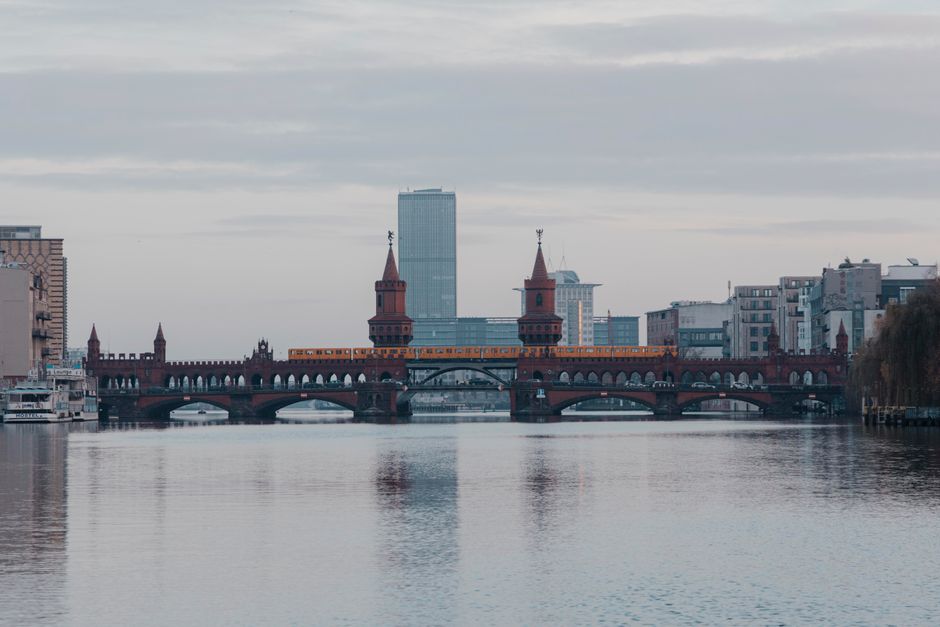
What's particularly notable is how locals have embraced slower tourism models. The explosion of small, neighbourhood-based museums, pop-up galleries in Prenzlauer Berg's courtyards, and the expansion of the Spree's riverside walk from Treptow to Köpenick reflects a city consciously choosing substance over spectacle.
For expats arriving now, Berlin offers something rarer than it has in a decade: time to actually settle. Time to learn German properly. Time to distinguish between genuine local culture and the branded version. Time to afford it.
The city's newfound equilibrium—less Instagram, more authentic—is precisely what's making both newcomers and Berliners themselves feel like they're living in the version of this city they'd always imagined.
This article was compiled by AI from the sources linked above and screened before publishing. See our editorial standards.
How does this story make you feel?
Spread the word
About this article
Published by The Daily Berlin
Daily brief
Free, in your inbox before 7am. Weekdays.
More in lifestyle