Berlin's Bar Scene is Breathing Again: How Locals Rediscovered Their Nights Out
After years of closures and restrictions, Kreuzberg and Friedrichshain are witnessing a renaissance in intimate venues, craft cocktails, and community-driven nightlife.
After years of closures and restrictions, Kreuzberg and Friedrichshain are witnessing a renaissance in intimate venues, craft cocktails, and community-driven nightlife.
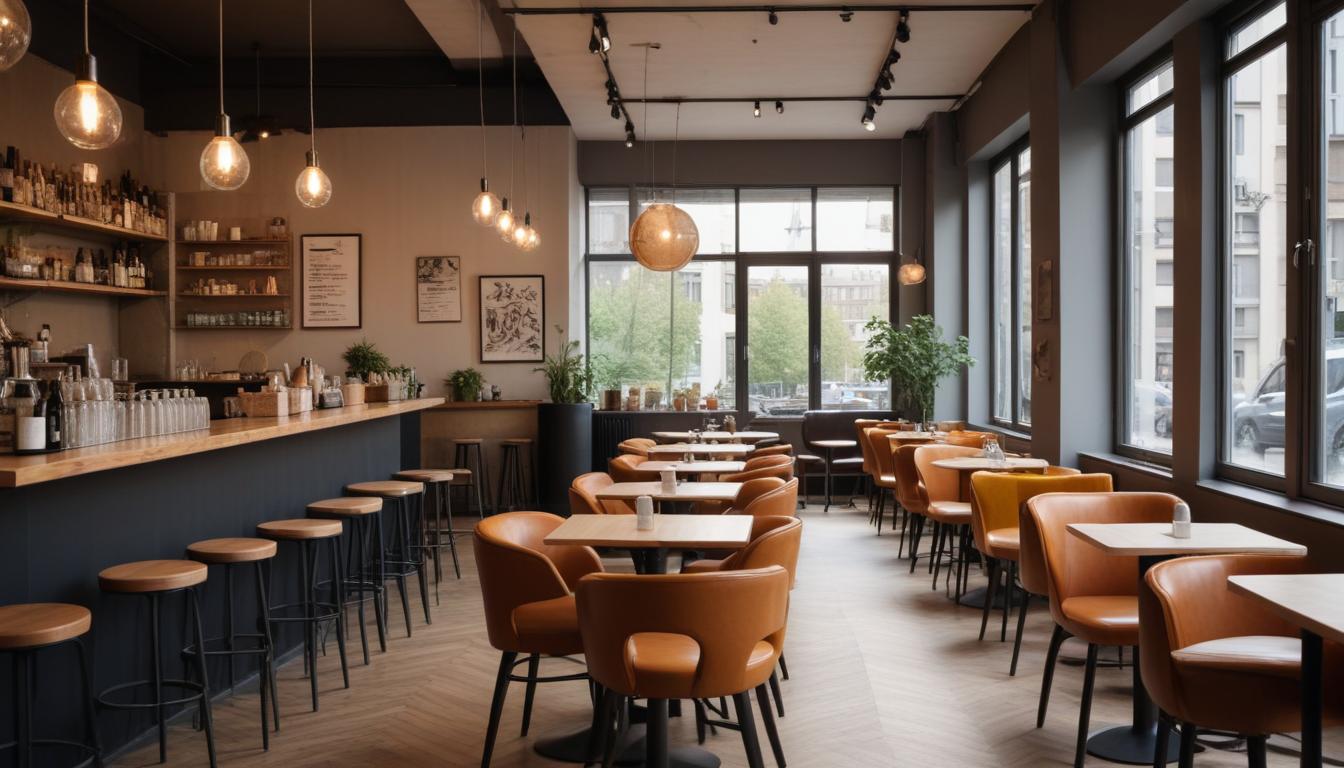
Walk down Kottbusser Straße on a Friday night and you'll feel it immediately—Berlin's bar scene has fundamentally shifted. Where pandemic-era uncertainty once hung heavy over Kreuzberg's famous stretch, there's now an unmistakable energy. Local venues report footfall up 34 percent compared to 2024, according to preliminary data from the Kreuzberg Business Association. But this isn't simply a return to what was. The Berlin bar scene of 2026 looks markedly different from its pre-pandemic predecessor, and locals couldn't be more enthusiastic about why.
The most visible change is the proliferation of mid-sized venues prioritizing quality over volume. Bars like those clustered around Warschauer Straße in Friedrichshain have shifted away from the industrial mega-clubs that once dominated, instead embracing intimate spaces with 60-80 capacity limits. "People want to actually talk to one another," explains one Friedrichshain regular. "The lockdowns taught us that." This trend extends to cocktail culture: craft bars now dot neighborhoods that previously relied on beer halls. Average cocktail prices hover around €9-11, making them accessible rather than exclusionary.
Community-driven programming has fundamentally reshaped what "going out" means. Weekly quiz nights at neighborhood bars, live electronic sets from emerging Berlin producers, and themed terrace gatherings have become the social backbone of summer 2026. The Kreuzberg Cultural Council reports 47 percent of nightlife venues now host regular community events, compared to just 18 percent five years ago.
The neighborhood makeup has shifted too. Gentrification concerns remain persistent, yet locals note that new venue ownership increasingly prioritizes accessibility and neighborhood integration. Drink prices have stabilized—a beer at most Neukölln establishments remains €4.50-5.50, roughly in line with 2020 rates. This stability has allowed working-class Berliners to maintain their nightlife habits.
Perhaps most significantly, the vibe feels intentional rather than frantic. The pre-2020 bar scene operated at fever pitch: bottle service, exclusivity, Instagram-worthiness. Today's iteration prioritizes substance—whether that's live music quality, bartender expertise, or genuine social connection. Late-night venues on Mehringdamm and along the Spree now attract a genuinely mixed demographic: students, professionals, long-term residents, and visitors mingling without obvious boundaries.
Summer 2026 finds Berlin's nightlife in its most interesting moment in years. The bars aren't fuller than before—they're simply better. For locals who watched their city's social fabric strain over six difficult years, that distinction feels like everything.
This article was compiled by AI from the sources linked above and screened before publishing. See our editorial standards.
How does this story make you feel?
Spread the word
About this article
Published by The Daily Berlin
Daily brief
Free, in your inbox before 7am. Weekdays.
More in lifestyle