Berlin's Commute Just Got Smarter: Why This Summer Marks a Transport Turning Point
A wave of infrastructure upgrades and tech integration is transforming how locals navigate the city—and they're embracing it with relief.
A wave of infrastructure upgrades and tech integration is transforming how locals navigate the city—and they're embracing it with relief.
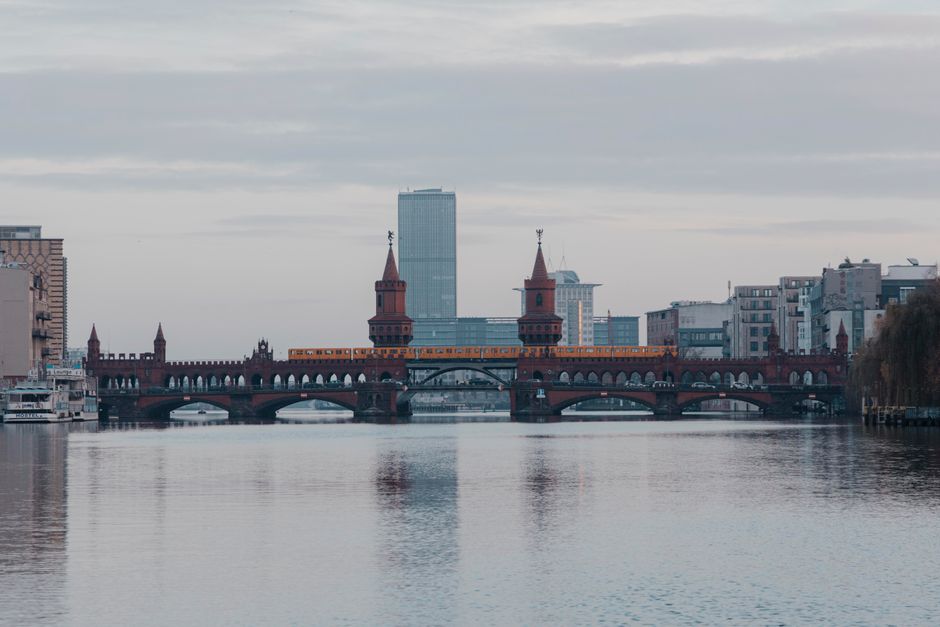
For years, Berlin's transport reputation rested on a paradox: world-class infrastructure undermined by chronic delays and outdated systems. But this summer, something tangible has shifted. The combination of newly digitised ticketing, expanded bike lanes, and revamped U-Bahn corridors means commuting through Charlottenburg or Friedrichshain feels less like endurance sport and more like genuine choice.
The most visible change is the rollout of the integrated mobility app across BVG services. No more fumbling for paper tickets at Alexanderplatz or Warschauer Straße—QR codes, real-time tracking, and seamless transfers between tram, bus, and U-Bahn have streamlined what was, until recently, a fragmented experience. A monthly pass for zones A and B now costs €110, and the ability to plan journeys with live delay updates has proved more valuable than the modest price point suggests.
Beyond the digital realm, the expansion of protected cycling infrastructure deserves credit for reshaping daily movement. The newly completed Kantstraße corridor in Charlottenburg and extended Panke route through Wedding have siphoned thousands of car journeys onto bikes. Local cycling advocacy groups report a 28% increase in two-wheel commuting since early June—a shift that's visibly changed the character of morning rush hours, with fewer gridlocked Audis and more efficient human-powered flow.
The U-Bahn extension to Berlin's emerging tech cluster near Adlershof, completed last month, has also eased pressure on overcrowded central lines. Workers previously squeezing onto the U2 and U5 now have an alternative corridor, breathing space that makes 7am journeys from Friedrichshain to the Lichtenrade south considerably less claustrophobic.
What's striking is how these changes have altered Berliners' relationship with their city. The tyranny of delay—that exhausted acceptance of 15-minute gaps between S-Bahn trains—has loosened its grip. Commuters speak with surprising optimism about travel times. Neighbourhoods like Köpenick and Spandau, previously written off as inconvenient suburbs, are suddenly accessible for younger workers willing to live there cheaply and commute efficiently.
This isn't utopian thinking. The system remains imperfect, and summer delays still occur. But the trajectory matters. For a city that built its post-war reputation on ambitious infrastructure, Berlin finally feels like it's remembering that promise. Commuting isn't fixed, but for the first time in years, it's visibly improving—and locals are noticing.
This article was compiled by AI from the sources linked above and screened before publishing. See our editorial standards.
How does this story make you feel?
Spread the word
About this article
Published by The Daily Berlin
Daily brief
Free, in your inbox before 7am. Weekdays.
More in lifestyle