Kreuzberg’s New Rhythm: How the Neighborhood is Evolving and Changing
From gritty industrial roots to a refined cultural hub, the district is balancing its radical past with a quieter, more curated present.
From gritty industrial roots to a refined cultural hub, the district is balancing its radical past with a quieter, more curated present.
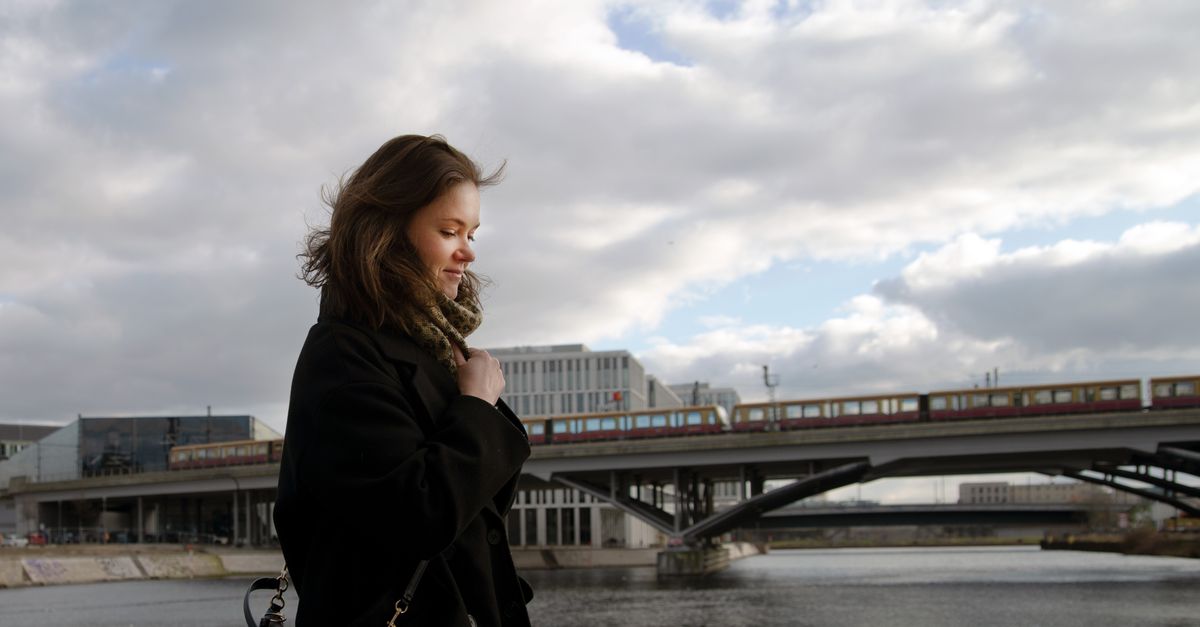
Kreuzberg is shedding its reputation as the city’s singular enclave of pure, unbridled chaos. While the area surrounding Oranienstraße remains a magnetic pole for Berlin’s nightlife, a perceptible shift is underway as long-term residents and new independent operators push the neighborhood toward a more sustainable, design-led identity.
For decades, the neighborhood’s character was defined by rapid, often improvised cultural interventions. Today, the focus has moved toward permanent, high-quality communal spaces. Venues such as the Markthalle Neun on Eisenbahnstraße have successfully transitioned from local market sites into hubs for artisanal food production and community discourse, reflecting a broader effort to preserve the district’s industrial architectural heritage while catering to a more discerning demographic. Similarly, the Bethanien art space, housed in a former hospital, continues to evolve as a center for contemporary exhibitions that bridge the gap between Kreuzberg’s historical activism and the city’s contemporary art scene.
This transition reflects a strategic recalibration in how locals engage with their immediate environment. Where the neighborhood once prioritized ephemeral, high-energy gatherings, there is now a marked increase in patronage toward small-scale workshops and galleries. Neighborhood organizations such as the Berlin Kreuzberg Museum have documented this trend, noting that as rental pressure mounts, the businesses that survive are increasingly those that provide tangible value to the local community rather than catering exclusively to transient tourism.
The economic landscape of the district is undoubtedly tightening. According to the most recent reports from the Berlin-Brandenburg Statistics Office, residential rental indices for the Friedrichshain-Kreuzberg borough have shown consistent upward pressure throughout the first half of 2026. This trend is forcing a new evolution for small business owners on streets like Bergmannstraße. Many independent operators are moving away from volume-based models, opting instead for higher-margin, locally-sourced products to maintain their presence in the face of rising commercial overheads.
Despite these pressures, the neighborhood’s core spirit survives through the resilience of its institutions. For those looking to experience the current iteration of the district, the best approach is to move beyond the well-trodden nightlife corridors. Spending a morning at the Viktoriapark or browsing the independent archives found in the side streets near the Landwehr Canal offers a more accurate reflection of how Kreuzberg is balancing its past with a rapidly changing urban reality. The neighborhood is no longer just a destination for a weekend night out; it has become a study in how a historically radical district manages the tensions of contemporary urban growth.
How does this story make you feel?
Spread the word
About this article
Published by The Daily Berlin
Daily brief
Free, in your inbox before 7am. Weekdays.
More in lifestyle